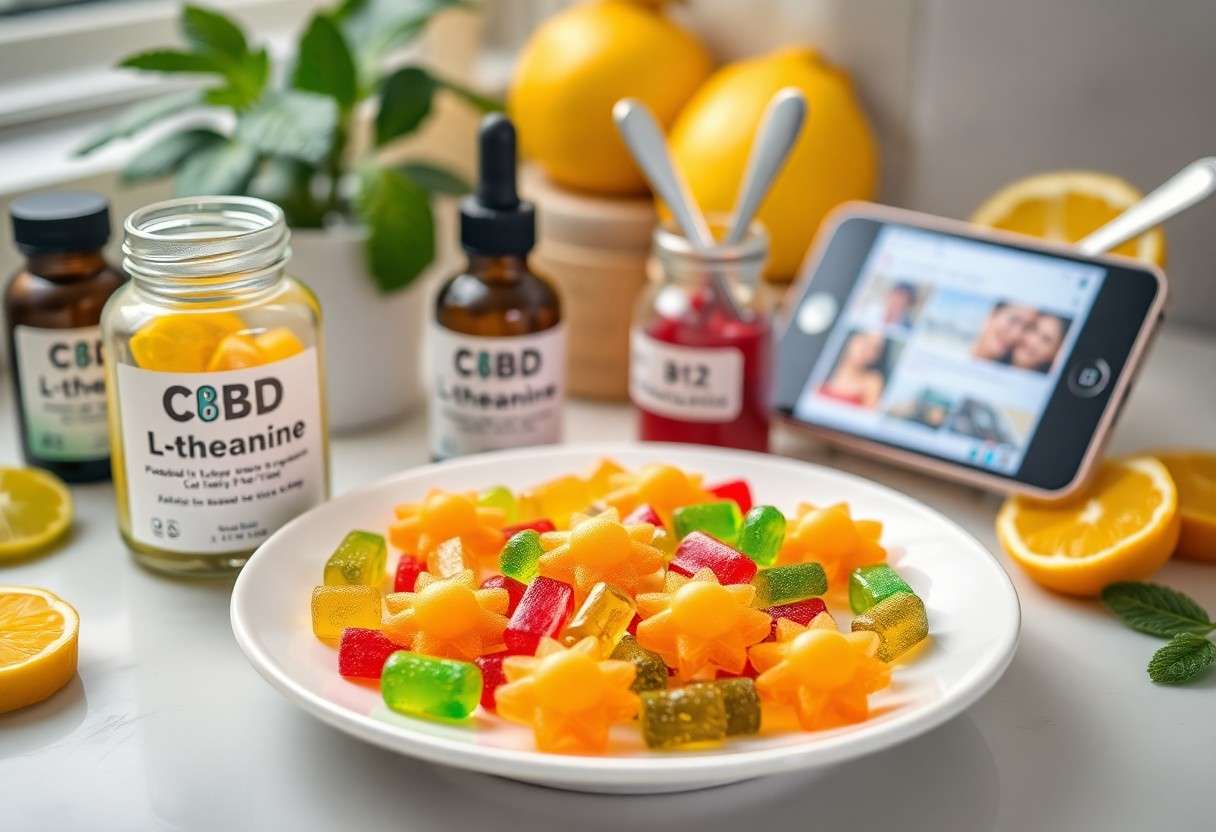
How Adaptogenic Candy Is Changing the Wellness Snack Game
Adaptogenic candy blends herbs like ashwagandha and rhodiola into treats that aim to reduce stress and support focus, while posing a risk of interacting with me

This article contains Amazon affiliate links. As an Amazon Associate, CandiesAndSweets earns from qualifying purchases.
 Save
Save
Adaptogenic candy blends herbs like ashwagandha and rhodiola into treats that aim to reduce stress and support focus, while posing a risk of interacting with medications or adding excess sugar, so you must read labels and consult a clinician before regular use.
The Convergence of Herbalism and Confectionery
Blending time-honored plant traditions with candy craft has repositioned adaptogens as a snackable habit; you get therapeutic herbs in a familiar format. Manufacturers balance flavor and dose, so you must check labels for potential herb-drug interactions. You can adopt accessible daily support that fits existing snacking rituals rather than adding another supplement step.
Defining Adaptogens in the Modern Diet
Understanding adaptogens means seeing them as plants that modulate your stress response and recovery; you should treat claims alongside dosing transparency. Labels frequently omit concentrations, so you need to watch for possible interactions. You will weigh benefits against context and medication use.
Transitioning from Supplements to Lifestyle Snacks
Shifting your routine from capsules to candy changes how you time doses and perceive effects; you should prioritize products with clear milligram information and defined serving sizes. Monitor intake to avoid risk of overconsumption, and recognize that improved adherence often drives the switch.
Consider texture and flavor as part of efficacy, since palatable formulations increase consistency; you will prefer items that mask bitterness without hiding active notes. Seek brands with third-party testing and transparent sourcing, and avoid stacking adaptogenic candies with high-caffeine products to reduce adverse stimulant interactions.
Key Adaptogenic Compounds in Functional Candy
This lineup of compounds shows how candy can deliver adaptogens with measurable effects; you can expect stress resilience, mood balance, and cognitive support, while noting that some ingredients may interact with prescriptions-consult a clinician if you take medications.
Careful sourcing and precise dosing determine whether a treat helps or harms you; look for third-party testing and clear dose labels to avoid spikes, contaminants, or mislabeled extracts.
Botanical Roots: Ashwagandha and Maca
Ashwagandha modulates cortisol and can help you manage chronic stress, offering relaxation and better sleep when dosed appropriately.
Maca offers energizing, hormone-supportive effects that you may notice as steadier energy and libido changes, but avoid high doses if you have hormone-sensitive conditions or thyroid issues.
Functional Fungi: Reishi and Lion’s Mane
Reishi supports immune balance and stress adaptation, giving you calmer evenings and potential inflammatory control, though it can interact with blood thinners or immunosuppressants.
Lion’s Mane promotes cognitive clarity by supporting nerve growth factors, so you may experience sharper focus, but watch for digestive sensitivity or mushroom allergies.
You should prefer candies that use standardized extracts, transparent sourcing, and moderate doses-these reduce risk and help the fungi deliver consistent benefits while you avoid contaminants and unexpected interactions.
Formulating for Efficacy and Flavor
Formulation balances actives, sweeteners, and texture so you get effective doses without unpleasant mouthfeel. You should prioritize standardized extracts and microdoses that maintain efficacy while fitting candy serving sizes; watch for herb-herb and herb-drug interactions that can be dangerous.
Texture and release profile let you mask bitterness and control onset; you should combine fast-dissolve matrices with encapsulated actives to separate taste from effect. Use patented delivery technologies when necessary and test for stability under heat and humidity.
Overcoming the Bitter Profile of Potent Botanicals
Masking strategies use natural sweeteners, sour notes, and fat-based inclusions so you can hide strong botanical off-notes without excessive sugar. You should consider non-caloric sweeteners, bitter blockers, and flavour layering while monitoring for allergen or blood-glucose impacts that could be dangerous to some customers.
Ensuring Bioavailability in Edible Formats
Delivery systems that pair lipophilic adaptogens with emulsifiers or employ nanoemulsions increase absorption so you actually receive the benefit advertised. You should validate absorption with in vitro or clinical markers and use standardized extracts to ensure consistent dosing.
Testing includes dissolution, simulated digestion, and human PK studies; these identify losses during chewing and first-pass metabolism so you can adjust dose or use protective coatings. Prioritize bioavailability data and watch for metabolic interactions with common medications.
The Psychology of Functional Indulgence
You treat snacks as tiny rituals, and adaptogenic candy turns those moments into perceived self-care by pairing taste with functional messaging that signals stress relief.
When you choose these treats repeatedly, your brain links flavor to calm, but you should watch for unregulated claims and variable dosages that can undermine real benefits.
Stress Mitigation Through Mindful Snacking
Mindful snacking helps you slow consumption and notice stress triggers; adaptogenic formulations can reinforce intentional breaks and a calming effect when used responsibly.
The Consumer Shift Toward Mood-Boosting Treats
As you seek snacks that alter mood, adaptogenic candy meets demand by promising uplift, with marketing that emphasizes mood-boosting ingredients and ritualized consumption.
Today you expect transparency and evidence; missing research or undisclosed additives represent a public safety concern that should shape purchase decisions.
Evidence remains mixed, so you should prioritize brands with third-party testing, clear dosing, and warnings about drug interactions and high sugar that may counteract intended effects.
Market Dynamics and Clean Label Standards
Retailers are driving demand for adaptogenic candy with clean-label credentials, so you must trim artificial additives while preserving efficacy and flavor. You face pressure to prove safety and potency through testing, or risk mislabeling and regulatory action that can damage brand trust and shelf placement.
Navigating Low-Sugar and Plant-Based Requirements
Formulators must balance sweetness and mouthfeel using options like allulose, monk fruit, or microencapsulated fibers so you keep calories low without GI issues from excess sugar alcohols; excessive polyols can cause digestive distress. You also favor pectin or agar to replace gelatin so the product earns a plant-based claim that attracts more shoppers.
Transparency in Sourcing and Potency Testing
Manufacturers should demand Certificates of Analysis and third-party potency testing so you can back adaptogen claims and avoid adulteration or inconsistent extracts that undermine efficacy. You gain retail and consumer confidence when COAs are accessible and testing is routine.
Documentation at batch level, QR-linked COAs, and clear labeling of standardized extract percentages (for example, withanolide or bacoside content) let you show traceability and consistent dosing, which supports compliance and stronger consumer trust.
Impact on the Global Wellness Industry
You watch adaptogenic candy shift wellness from specialty aisles into impulse buys, making adaptogens more accessible and social. This move accelerates consumer adoption but raises dosing and safety concerns that retailers and regulators must confront.
Your purchases drive investor interest and global rollout, expanding distribution while amplifying challenges around sourcing quality and inconsistent regulatory frameworks across markets.
Disruption of the Traditional Supplement Market
As a consumer, you increasingly choose flavorful, convenient formats, prompting legacy supplement brands to rethink pills and powders. That shift creates market disruption and risks labeling confusion that can obscure potency and interactions.
Future Innovations in Targeted Adaptogenic Blends
When you look ahead, expect blends engineered for specific outcomes-sleep, focus, stress-with micro-dosing, targeted extraction, and app-driven personalization offering enhanced efficacy and individualized benefits.
If you follow research, you’ll see clinical validation, improved bioavailability technologies, and packaging that warns of drug interactions, alongside greater demand for transparency and testing to keep choices safe.
Final Words
You’ll find adaptogenic candy reshapes how you snack by pairing familiar flavors with herbs that support stress response and mood regulation. You can enjoy short-term calm and clearer focus without complex supplements, fitting wellness into busy days. You should check labels for standardized extracts and clinical dosing so your choices deliver consistent effects rather than just marketing claims.