Best Handmade Fudge Recipes From Artisan Candy Makers
Many artisan candy makers share precise techniques so you can craft creamy, deeply flavored fudge. You must respect boiling sugar, as it can cause severe burns,

This article contains Amazon affiliate links. As an Amazon Associate, CandiesAndSweets earns from qualifying purchases.
 Save
Save
Many artisan candy makers share precise techniques so you can craft creamy, deeply flavored fudge. You must respect boiling sugar, as it can cause severe burns, and use a candy thermometer to ensure consistent results.
The Fundamentals of Artisan Fudge
Focus on controlling heat and timing so you can produce consistent, creamy fudge. The right stir and rest periods set texture and flavor; keep to slow, steady heating and an undisturbed cool-down to prevent graininess. Use caution: scalding sugar can cause severe burns, so always protect your hands and workspace.
Understanding Sugar Crystallization and Texture
You can prevent grainy outcomes by managing nucleation: avoid stirring during the initial cool and only beat at the recommended moment. Gentle, timed agitation produces fine crystals and a smooth mouthfeel. If you stir too early, overstirring causes grainy texture that is difficult to correct.
Temperature changes dictate crystal size and chew. Aim for controlled cooling and predictable agitation to form small, uniform crystals that create a satiny texture; rapid drops or uneven heat produce coarse crystals and a gritty result.
Essential Tools for Precision Candy Making
Precision tools will save batches: use a heavy-bottomed pan for even heating, a reliable thermometer, a digital scale for exact proportions, and heatproof spatulas for folding. Choose food-safe molds and a sturdy cooling rack to control set and finish.
Digital equipment should be dependable: select a scale that reads to at least 1 g and a thermometer with a clear probe. Keep spare probes and perform a quick calibration before long sessions; also have heat-resistant gloves and a splatter shield to reduce burn risk.
Keep a wooden spoon or silicone spatula for controlled stirring and a stand mixer for consistent beating once the mixture cools to the correct temperature; avoid high speeds that can introduce unwanted air. Add a thermometer clip and a heavy-duty saucepan to prevent hot spots and uneven cooking.
The Classic Dark Chocolate Collection
Dark blends in this collection push your palate toward deep, roasted notes, and you should choose single-origin cocoas and 70-85% bars to anchor fudge with pronounced chocolate character.
Silky mouthfeel depends on exact temperature control, so you guide the process carefully to avoid graininess and guard against burns from hot sugar while cooling.
Traditional Dutch Process Cocoa Recipes
Choose Dutch-process cocoa when you want a mellow, less acidic profile, and you balance it with brown sugar or molasses to round out deep, earthy notes in your fudge.
Bittersweet Ganache-Style Techniques
Master ganache-style fudge by pouring hot cream over finely chopped bittersweet chocolate and whisking until smooth, because you need precise temperature control to achieve a glossy, stable emulsion.
Control final density by chilling the ganache briefly before stirring, since you will avoid separation and keep a dense, velvety bite that high-percentage chocolate demands while taking care with hot cream.
Finish with a thin glaze or a sprinkle of fleur de sel to sharpen contrast, and you can add a spoonful of glucose or corn syrup to maintain sheen and slow sugar crystallization for smoother shelf life.
Nut-Infused Signature Batches
You can shape signature batches by adjusting roast level and nut ratio; press warmed nuts into fudge for texture. Balance sweetness with a touch of cream and label jars to warn of nut allergies. Use fresh, high-quality nuts and light roasting to bring out oils without bitterness.
Toasted Walnut and Maple Cream Variations
Try swapping browned butter for regular cream to deepen flavor; fold in coarse walnut pieces at the end for crunch. Pair maple cream with a whisper of sea salt and highlight toasted walnuts to add smoky, caramel notes.
Salted Pistachio and White Chocolate Blends
When you blend pistachios into white chocolate fudge, pulse nuts briefly to keep texture and avoid turning them into paste. Aim for crisp green nuts and a measured salt finish to balance the sweetness.
Small-batch testing helps you find the right nut-to-chocolate ratio; taste and tweak salt and cream levels accordingly. Keep chilling short to prevent white chocolate graininess and preserve pistachio crunch.
Taste for harmony: you should sense a light brine cutting the buttery white chocolate, with pistachio shards giving lift; always flag jars for nut allergens and store airtight to keep oils fresh.
Gourmet Caramel and Sea Salt Pairings
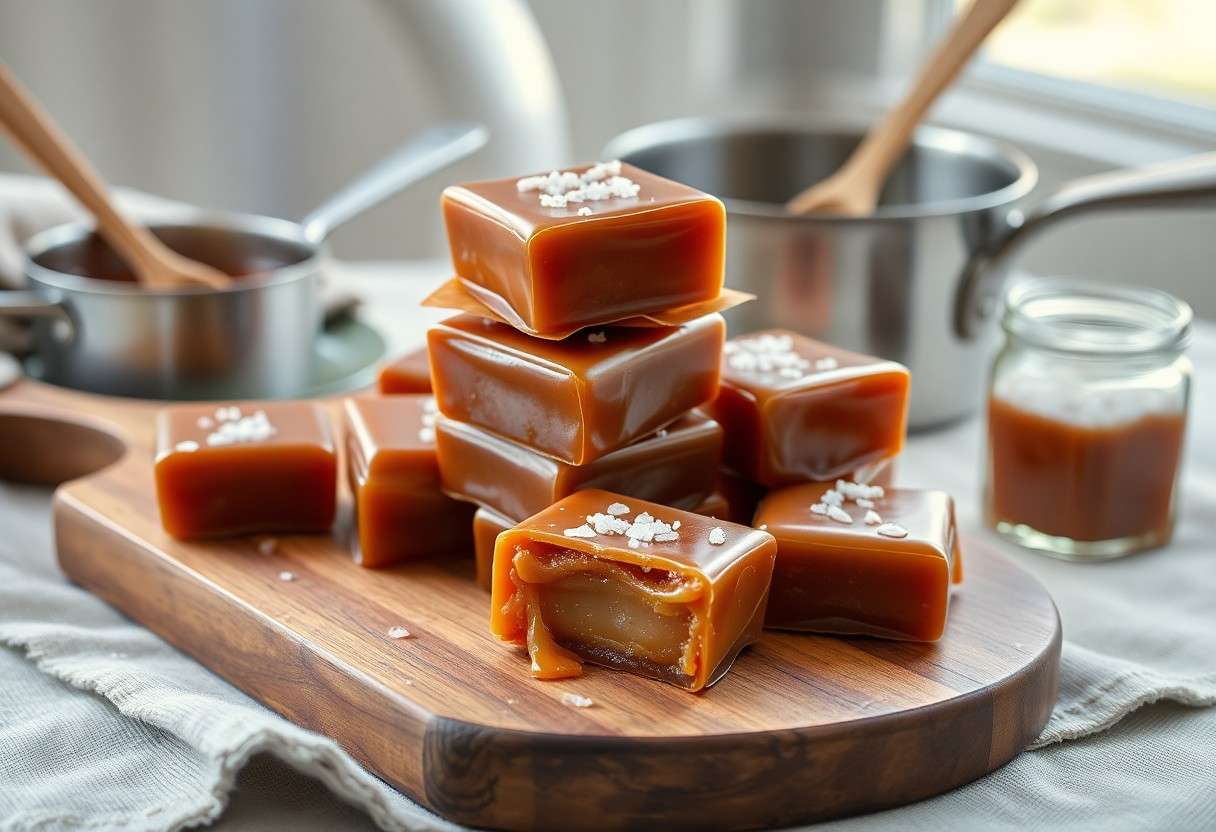
Caramel with deep, nutty notes pairs brilliantly with fine sea salts; you can finish pieces with a sprinkle of fleur de sel to highlight chocolate and cream. You should aim for glossy texture and tempered sweetness to let the salt sing.
Salt accents help you tame cloying sweetness without masking dairy depth; use small pinches and taste between batches so you avoid over-salting.
Slow-Cooked Burnt Sugar Foundations
Patience rewards when you cook sugar low and slow, coaxing complex, toffee-like flavors without bitter scorch. Always use a candy thermometer and handle hot sugar with care – it can cause severe burns.
Sugar will darken quickly at the end stage, so you should remove the pot at the right amber and chill immediately to stop carryover cooking; this preserves glossy sheen and smooth mouthfeel.
Balancing Mineral Salts with Rich Dairy
Cream blends soften under a touch of flaky sea salt, and you should add sparingly so the salt punctuates rather than overwhelms; choose flaky sea salt for its texture and delicate brine.
Butter choice shifts the baseline seasoning, so you should favor unsalted for precise control or cultured butter for a subtle tang that pairs with salt flakes.
Texture becomes silkier if you fold in warm cream off the heat and sprinkle salt as it cools, which preserves delightful pops while preventing premature dissolution of the crystals.
Seasonal and Fruit-Forward Specialties
Seasonal fruit and spice blends push you toward bold, limited-run fudges that capture holidays and harvests; use fresh purées and single-origin chocolate to balance sweetness and watch sugar temperature to avoid burns when cooking for safety and texture.
These recipes ask you to respect acidity and texture: fold dried fruit for chew and toast nuts for aroma, testing small batches so salt and sugar hit just right, with bursting tartness as the payoff.
Spiced Pumpkin and Pecan Autumn Fudge
Autumn pumpkin purée and brown sugar give you a silky base that welcomes warm cinnamon and nutmeg; brown butter adds depth while toast pecans lightly so they stay crisp without burning.
Tart Cherry and Dark Chocolate Infusions
Tart cherry and dark chocolate pair to create a lively sweet-bitter contrast you can refine by adjusting chocolate percentage and cherry syrup; use high-cocoa chocolate to sharpen the profile.
Balance sugar and acid by tasting as the mixture cools and avoid overworking the fudge, then fold in whole cherries for texture and finish with a sprinkle of sea salt to highlight bittersweet notes.
Pair these with nutty or floral teas when serving, and if you box them, chill fully to prevent smear-sticky filling can ruin presentation if not handled properly.
Conclusion
With this in mind, you can choose artisan fudge recipes that fit your skill and taste by prioritizing quality ingredients, precise temperatures, and small-batch testing. Follow maker techniques-accurate thermometers, careful timing, and gentle stirring-and you will produce silky, flavorful fudge that reflects true handmade expertise.