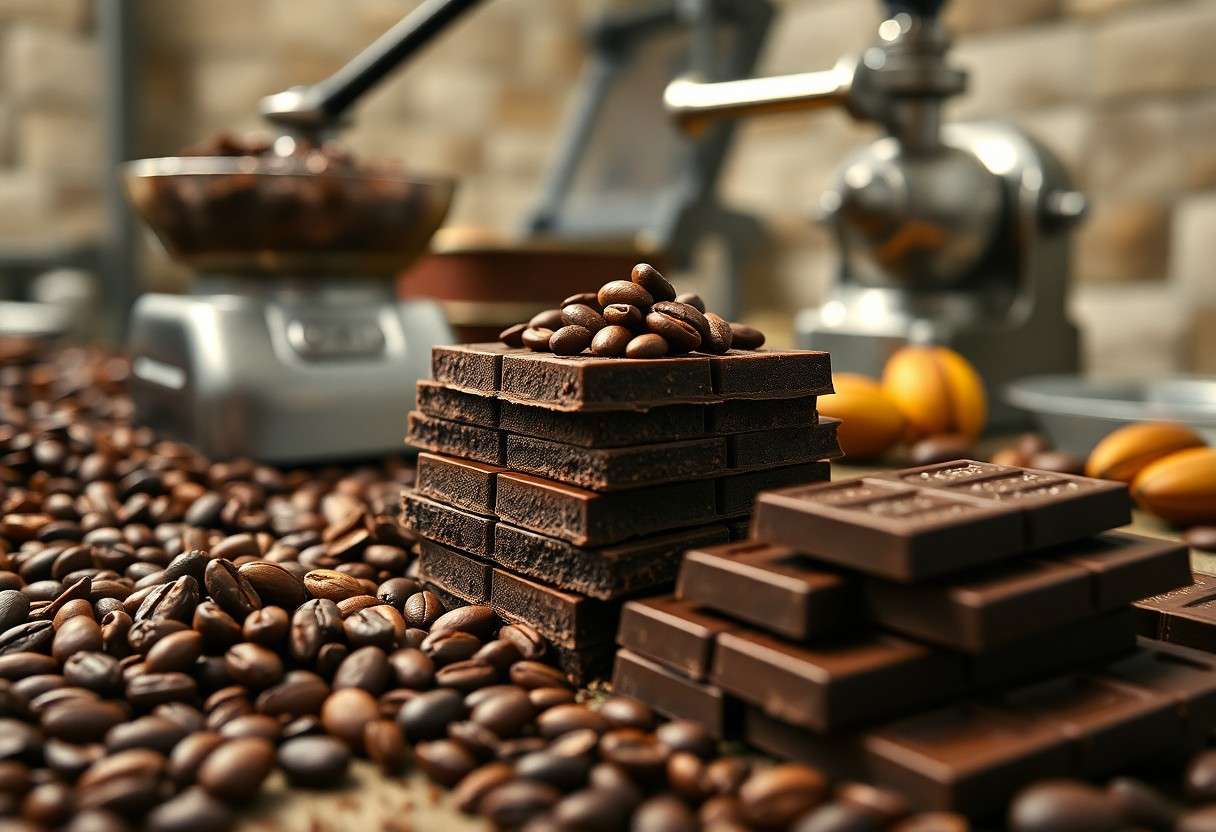
Artisanal Chocolate Craftsmanship Elevates Bean-to-Bar Production to Fine Art Status
Chocolate is not just a treat; it has evolved into a medium for artistry and personal expression, particularly through the bean-to-bar method. As you probe into

This article contains Amazon affiliate links. As an Amazon Associate, CandiesAndSweets earns from qualifying purchases.
 Save
Save
Chocolate is not just a treat; it has evolved into a medium for artistry and personal expression, particularly through the bean-to-bar method. As you probe into the world of artisanal chocolate craftsmanship, you will discover how dedicated chocolatiers meticulously transform raw cocoa beans into luxurious creations, emphasizing quality and creativity at every step. This post explores the techniques, skills, and passion that elevate chocolate-making from mere production to an exquisite art form, enriching your appreciation and understanding of this indulgent craft.
The History of Bean-to-Bar Chocolate
Traditional Methods and Origins
Chocolate’s journey begins in the ancient civilizations of Mesoamerica, where the Olmecs, Mayans, and Aztecs revered cacao as a sacred ingredient. You might find it fascinating that the Mayans prepared a bitter drink made from ground cacao beans mixed with spices, often consumed during religious ceremonies. The Aztecs, in turn, used cacao beans as currency and believed that the god Quetzalcoatl gifted them cacao, imbuing the beans with divine significance. These ancient methods were labor-intensive and deeply ritualistic, reflecting a profound respect for the cacao plant’s origins.
As cacao spread to Europe during the 16th century, it began to transform from a ceremonial beverage into a luxury item enjoyed by nobility. You will notice how the introduction of sugar to the bitter drink altered its profile, leading to the first formulations of what we consider hot chocolate today. By the 18th century, chocolate making evolved further with the advent of mechanization, allowing more efficient production but affecting the artisanal touch that characterized its earlier iterations.
Evolution of Chocolate Production
The evolution of chocolate production marked a significant turning point in how you experience chocolate today. Innovations in processing, such as the steam engine and conching machines invented in the 19th century, enabled the mass production of chocolate bars and products, making chocolate accessible to the general population. In 1828, Coenraad Johannes van Houten patented a method to extract cocoa butter from cocoa beans, creating the cocoa powder that would forever change baking and confections. This breakthrough not only facilitated the rise of solid chocolate bars but also led to a proliferation of chocolate products, transforming it from a beverage into a versatile ingredient.
In more recent decades, your appreciation for bean-to-bar chocolate ties into a renewed interest in craftsmanship and quality. As consumers become more discerning, the market has seen a burgeoning number of small-scale chocolatiers who prioritize ethical sourcing and artisanal techniques. You may encounter brands that trace the journey of cacao from farm to bar, highlighting single-origin beans and creating unique flavor profiles, showcasing the true artistry involved in chocolate making. This return to traditional methods emphasizes the connection between you and the origins of the food you enjoy, while promoting sustainability and transparency in the industry.
The Art of Chocolate Craftsmanship
Techniques and Skills of Artisanal Chocolatiers
You become immersed in the precision and artistry that defines artisanal chocolate craftsmanship. Techniques such as conching, tempering, and molding transform raw cacao into a refined product that speaks volumes about the chocolatier’s skill. Conching enhances the texture and flavor by continuously grinding the chocolate paste, which can take several hours or even days, depending on the desired smoothness. Tempering, a method for stabilizing cocoa butter crystals, ensures a glossy finish and satisfying snap, indicating a well-crafted chocolate. Each technique requires not only technical knowledge but also an intuitive understanding of how different beans react during processing.
Your taste buds appreciate the unique profile artisanal chocolatiers create, often distinguishing between the subtleties of single-origin beans sourced from diverse terroirs. Talented artisans use their expertise to craft recipes that cater to a wide range of palates, experimenting with various infusion techniques to enhance the chocolate with flavors like sea salt, herbs, or spices. This hands-on approach elevates chocolate from mere confectionery to a multi-sensory experience that tell stories of their origins.
The Importance of Quality Ingredients
High-quality ingredients are the foundation upon which exceptional chocolate is built. The selection of cacao beans directly impacts the final product’s flavor, aroma, and texture. Artisanal chocolatiers often seek out beans from specific regions known for their unique profiles, such as the fruity notes of Venezuelan criollo or the intense bitterness of Madagascar’s beans. You might be surprised to learn that some of the finest chocolatier brands maintain direct relationships with farmers, ensuring that ethical practices are upheld and quality remains uncompromised.
With the increasing focus on sustainability and ethical sourcing, the importance of quality extends beyond taste. You can appreciate that many artisanal chocolatiers prioritize organic and fair-trade ingredients, which not only supports the farmers but also results in fresher, more flavorful products. This commitment links directly to the tasting experience, creating a conscious cycle that enhances both the enjoyment of chocolate and the livelihoods of those who produce it.
The Bean-to-Bar Process Explained
Sourcing and Selecting Cocoa Beans
Sourcing quality cocoa beans is the foundation of bean-to-bar chocolate production. You’ll want to explore various regions known for their unique flavor profiles, such as the complex fruity notes from Ecuadorian beans or the earthy chocolate depth from Ghana. By establishing relationships with local farmers, you can ensure sustainable practices and fair compensation, often opting for specialty beans from single-origin farms. This careful selection process allows you to curate a chocolate that reflects the terroir of its source, elevating each bar’s narrative and unique taste experience.
Your choice in cocoa beans influences not just flavor but also ethical considerations. Many artisanal chocolatiers prioritize Direct Trade, which promotes transparency in the supply chain and supports community development in cocoa-growing regions. This commitment to ethical sourcing transforms each bar into a story of both taste and purpose, engaging consumers on multiple levels and ensuring the chocolate resonates beyond mere enjoyment.
Roasting, Grinding, and Conching
Roasting is where the magic begins, as the heat brings out the inherent flavors within the cocoa beans. You’ll experiment with various roast profiles, knowing that slight variations can dramatically affect the final taste. A light roast may enhance floral notes, while a darker roast often emphasizes deep chocolate richness. After roasting, grinding begins, breaking down the beans into a fine mass called chocolate liquor. This step is pivotal, as achieving the right particle size is critical for the final texture of the chocolate.
Conching follows, a process that further refines the chocolate by aerating it and allowing volatile flavors to dissipate. This phase results in a smooth mouthfeel and a balanced flavor profile. Some chocolatiers conch for as little as 12 hours, while others extend it to several days, depending on desired flavor complexity. Each time you conch, you fine-tune your chocolate’s character, making it an crucial stage in crafting fine chocolate.
During roasting, you might find that experimenting with temperature and time brings about unexpected flavor revelations, while the grinding stage allows you to control the texture that defines your product. Additionally, conching influences how your chocolate integrates flavors from added ingredients, such as spices or fruits, ensuring that every element harmonizes perfectly together. This intricate combination of techniques not only showcases your craftsmanship but also enhances the overall quality of the final chocolate product.
The Role of Terroir in Chocolate Flavor
Geographic Influence on Cocoa Bean Characteristics
Your understanding of chocolate flavor deepens when you consider the geographical origins of cocoa beans. Each region boasts unique soil compositions, climate conditions, and cultivation methods that markedly affect the taste profiles of the beans. For example, beans from Ecuador often present floral and fruity notes due to the rich volcanic soil and diverse crops grown nearby, while beans from Madagascar are known for their bright acidity and citrus undertones, largely attributed to the island’s tropical climate and careful harvesting techniques. These geographic nuances create a distinctive terroir that shapes the character of the chocolate you enjoy.
Pairing Flavors with Artisanal Techniques
Mastering the art of flavor pairing in chocolate involves more than just selecting complementary ingredients; it requires an understanding of how the flavors interact on a sensory level. Artisans often combine unique elements—such as herbs, spices, or even savory notes—to enhance the innate characteristics of the chocolate. For example, pairing a dark chocolate with sea salt elevates its bitterness while adding a burst of flavor that brings out hidden depths in both the chocolate and the salt. This meticulous approach not only highlights the terroir but also allows you to experience a symphony of tastes with each bite.
Artisanal chocolatiers are skilled in balancing flavors to create harmonious profiles. You might find infusions of cardamom or chili in dark chocolate, both of which can play off the natural sweetness and complexity of high-quality cacao. Pairing contrasting flavors, like fruity notes with bittersweet chocolate or floral tones with rich ganaches, pushes your palate toward new horizons and enhances the chocolate experience. The exploration of these combinations opens a realm of possibilities, inviting your taste buds on a delicious journey that celebrates the craftsmanship and artistry behind each bar.
Elevating Chocolate to Fine Art
Aesthetic Presentation and Design
Your first encounter with artisanal chocolate often begins long before the first bite. The visual appeal crafted by chocolatiers transforms simple bars into stunning pieces of art. From intricate packaging that reflects the origin of the cocoa beans to the chocolates themselves, every element speaks of the brand’s identity. Many chocolatiers employ unique molds and artistically designed finishes, such as marbling or airbrushing, capturing attention and enticing your senses. Nestled within these showcases are flavors inspired by both tradition and innovation, delighting the eyes as much as the palate.
The experience extends beyond just the chocolate itself. Many brands prioritize the ambiance of their retail spaces or tasting events, often incorporating elements of art and culture. Consider a gallery-like setting where you can explore art installations themed around cocoa cultivation, or a carefully crafted tasting menu designed to pair with fine wines. This comprehensive approach to the aesthetic invites you to engage with chocolate as an art form, enhancing your overall experience.
The Emotional Connection to Chocolate
Your relationship with chocolate often transcends mere consumption, tapping into nostalgia and personal memories. For many, chocolate evokes special moments—birthdays, celebrations, or quiet evenings with a cherished book. Artisanal chocolatiers recognize this emotional connection and craft their offerings to resonate with those sentiments. By creating unique flavors that tell a story, you discover a deeper appreciation for every bite.
The Future of Artisanal Chocolate
Trends in Artisan Production
Artisan chocolate production is increasingly embracing diverse flavor profiles and boundary-pushing techniques. You’ll notice a rise in the use of non-traditional ingredients such as spices, herbs, and even savory elements like cheese or olive oil, which are transforming standard expectations of chocolate. Craft chocolate makers are experimenting with bean origins more than ever, sourcing rare cacao varieties that provide unique taste experiences. This dedication to innovation not only excites the palate but also encourages a broader understanding of the complexity of flavors derived from different terroirs.
Furthermore, collaborations between artisans and local producers are forging a deeper connection to your communities. You may encounter chocolate bars infused with locally sourced fruits or nuts, creating a sense of place and supporting local economies. As you explore various artisanal brands, be on the lookout for limited-edition releases that highlight seasonal ingredients or specific chocolate-making techniques, as these are often where the most creativity resides.
Sustainability and Ethical Practices
The future of artisanal chocolate is increasingly intertwined with sustainable and ethical practices, as consumers demand transparency in the sourcing of cacao. You might find brands that directly partner with cacao farmers to ensure fair wages and improved living conditions, accentuating the importance of equitable trade relationships. By choosing chocolates that emphasize ethical sourcing, you help drive the industry toward more responsible practices, contributing to a better future for cacao-growing regions.
In addition to fair trade, eco-friendly packaging has become a significant focus. More brands are opting for compostable or recyclable materials, aligning their practices with environmental sustainability. As you enjoy premium chocolates, know that your choices can support initiatives aimed at combating climate change and promoting biodiversity within farming systems.
The commitment to sustainability manifests not only in ethical farmer partnerships but also in regenerative agricultural practices that restore and protect ecosystems. Some chocolatiers are engaging in reforestation efforts, planting trees to enhance biodiversity and combat deforestation in cacao-producing areas. Your investment in artisanal chocolate can thus extend beyond taste, making a positive impact on global environmental challenges.
Summing up
Taking this into account, you can see how artisanal chocolate craftsmanship transforms the complexities of bean-to-bar chocolate into an elevated experience akin to fine art. Your appreciation for chocolate becomes deeper as you understand the intricate processes involved in sourcing high-quality cocoa beans, refining techniques, and creating unique flavor profiles. This artistry not only speaks to the creator’s skill but also connects you to sustainable practices and responsible sourcing, which enhance the overall value of your chocolate indulgence.
As you explore the world of fine chocolate, consider how each bite reflects a balance of artistry and sustainability. Engaging with chocolate makers committed to ethical practices, such as those highlighted in discussions on Sustainable Bean-to-Bar Chocolate, allows you to partake in the broader narrative of preserving the environment while enjoying exquisite tastes. Your choices in chocolate consumption can foster a more sustainable future and elevate your own chocolate experience to new heights.