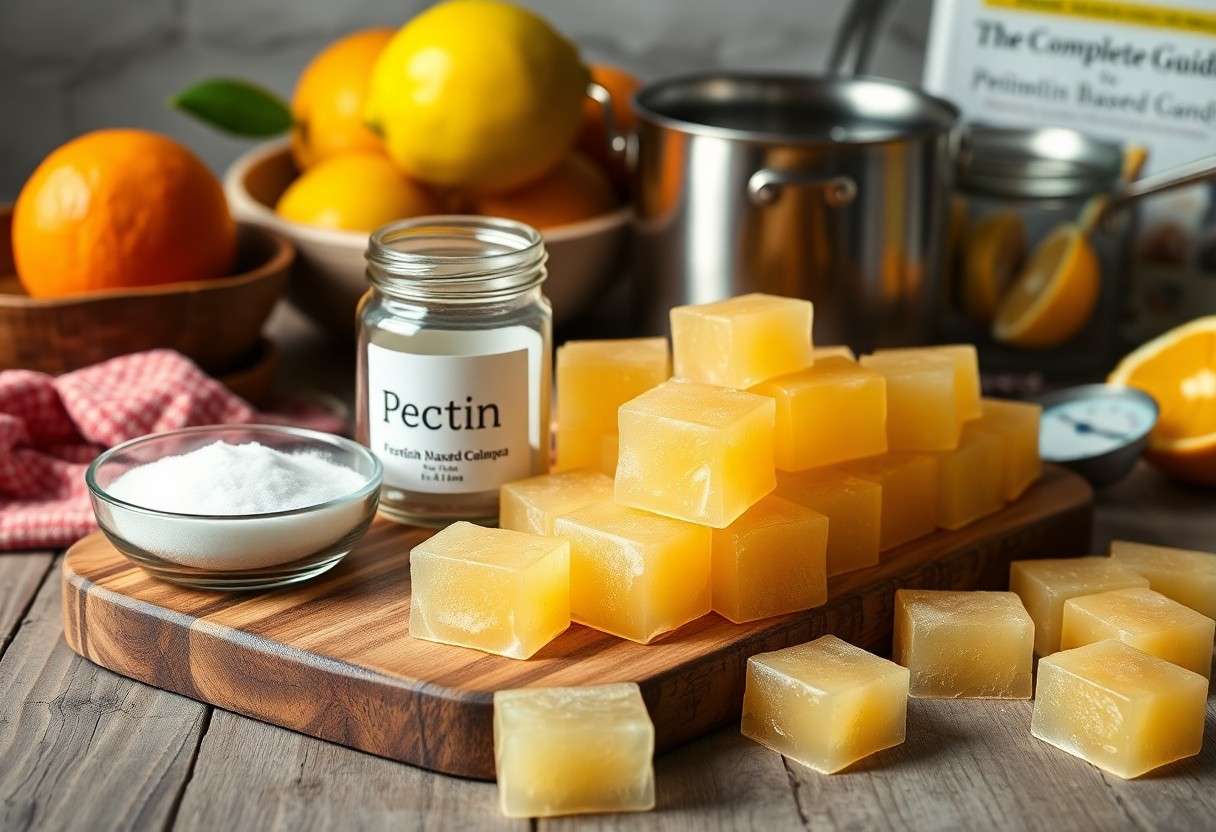
Guide to the Best Plant-Based Gummy Candies Without Gelatin
You can choose gelatin-free gummies made with pectin or agar, check labels to avoid hidden animal-derived ingredients, and prioritize brands with transparent so

This article contains Amazon affiliate links. As an Amazon Associate, CandiesAndSweets earns from qualifying purchases.
 Save
Save
Part of our Vegan & Plant-Based Chocolate & Candy guide.
You can choose gelatin-free gummies made with pectin or agar, check labels to avoid hidden animal-derived ingredients, and prioritize brands with transparent sourcing and allergy-safe practices for the best plant-based alternatives.
Essential Types of Plant-Based Gelling Agents
| Agar-agar | Firm, clear set; high clarity and heat-stable when cooled |
| Pectin | Fruit-derived; needs sugar and acid for gelation; yields tender, fruit-forward chew |
| Carrageenan | Silky texture; some studies link food-grade carrageenan to GI irritation |
| Konjac (glucomannan) | Very elastic, needs calcium/alkaline conditions; low-calorie |
| Starch | Soft, cloudy gels; prone to retrogradation and texture change with heat |
- agar-agar
- pectin
- carrageenan
- konjac
- starch
You will weigh set, clarity, and mouthfeel when choosing between these agents, since each gives a distinct chew and response to heat, acid, and sugar.
Compare how agents behave in acidic fruit recipes versus candy syrups, noting that some (like carrageenan) carry potential GI concerns. After you balance texture, flavor, and dietary needs, select the agent that fits your gummy formula.
Agar-Agar: The Seaweed-Derived Alternative
Agar-agar gives you a very firm, clear gel that sets as it cools and holds up at warmer display temps; use it for crisp, firm gummies and for vegan clarity where firm bite matters.
Pectin and Fruit-Based Thickening Agents
Pectin requires sugar and acid to form a stable gel, so you must balance sweetness and pH to achieve consistent results and a natural fruit-like flavor.
Use high-methoxyl pectin for sugary, jam-style sets and low-methoxyl (calcium-set) pectin when lowering sugar; you will adjust calcium and pH to tune chew and stability.
When you cut sugar, expect weaker gel strength unless you switch to low-methoxyl pectin or blend with other agents to restore texture and shelf stability.
Critical Factors for Evaluating Quality Gummies
You should judge gummies by clear labels, listed thickeners, and texture cues: seek gelatin-free options made with pectin or agar, plus stated plant-based or vegan claims; watch for high sugar and artificial dyes as dangerous flags while organic fruit concentrates are a positive sign.
- gelatin-free base: pectin / agar
- Clear sourcing, certifications, and batch info
- Low added sugar, no artificial colors, and allergen warnings
Knowing how to read labels and feel the texture will quickly separate quality brands from inferior ones.
Ingredient Transparency and Sourcing
Inspect ingredient lists for explicit sources, certifications, and third-party testing; favor brands that list thickeners like pectin or agar and state non-GMO or organic sourcing. Look for warnings about hidden gelatin or cross-contamination, as those are immediate consumer concerns.
Texture Profiles and Mouthfeel Consistency
Feel the bite: ideal gummies offer a springy, even chew without being too firm or grainy, and they shouldn’t leave an oily or sticky residue that masks flavor.
Compare batches and brands for uniformity in chew, resilience, and how coatings affect mouthfeel; pay attention to how quickly pieces melt and whether texture aligns with the product description for consistent enjoyment.
Pros and Cons of Gelatin-Free Formulations
| Pros | Cons |
|---|---|
| Plant-based ingredients (pectin, agar) | Softer texture than gelatin gummies |
| Suitable for vegans, halal and kosher diets | May contain added sugars or stabilizers |
| Lower risk of animal-sourced contaminants | Sensitive to heat; prone to melting |
| Often uses natural fruit pectin | Shorter shelf life in some recipes |
| Appeals to allergy-conscious shoppers | Some alternatives (seaweed, soy) can be allergenic |
| Greater transparency in sourcing for many brands | Texture can vary between batches |
You will find the trade-offs mostly lie between ethical/dietary gains and functional changes in texture and stability, so weigh what matters most to your palate and values.
Manufacturers choose different gelling agents, which means you should read labels closely for added stabilizers or sweeteners that affect taste and shelf life.
Ethical, Dietary, and Health Advantages
Vegan formulations let you enjoy gummies without animal products, giving you access to halal and kosher-friendly options and fewer concerns about animal-borne contaminants.
Many shoppers appreciate that you can reduce intake of animal fats and select products with natural pectin and cleaner ingredient lists to match dietary goals.
Structural Limitations and Heat Sensitivity
Heat can cause gelatin-free gummies to soften or lose shape, so you should store them cool and avoid prolonged warm exposure to prevent messy melting.
Pectin-based recipes deliver a tender chew but may require precise acidity and sugar balance, and you may notice flimsy or inconsistent textures across brands.
Expect some products to include glycerin or stabilizers to improve resilience, yet you should monitor labels for extra sugars or humectants that change shelf life and mouthfeel.
Guide to the Best Plant-Based Gummy Candies Without Gelatin
| Step | What to do |
|---|---|
| Prepare base | Mix juices, purées, sweetener; strain for smoothness |
| Activate gel | Dissolve agar, pectin, or carrageenan per instructions |
| Mold | Pour warm liquid into silicone molds; cool to set |
| Cure | Refrigerate or low-dry to firm texture |
| Store | Use airtight containers with a desiccant if needed |
Preparing the Liquid Base and Flavorings
Start by selecting high-quality juices or cooked fruit purées and adjust sweetness with natural sweeteners; you should strain to remove fibers for a clear finish and use pasteurized bases to reduce spoilage risk.
Choose concentrated extracts or zests for mature flavor and add a splash of acid to boost set when using pectin; you must use crucial oils sparingly because they can be overpowering or unsafe at high doses.
Activating the Gelling Agent and Molding
Heat the liquid with your chosen gelling agent until fully dissolved; you should bring agar to a boil and simmer pectin with sugar and acid as directed to activate gelling properties.
Stir continuously to avoid lumps, skim foam, and pour while still warm into silicone molds; you must work quickly because some plant gels set fast as they cool.
Allow small test batches to set so you can adjust concentration and texture; you should avoid adding alcohol or high amounts of oil which can prevent proper setting.
Curing and Proper Dehydration Techniques
Let gummies rest in molds until fully firm, then transfer to a dehydrator or low oven to reduce tackiness; you should dry at low temperatures (typically under 60°C) to prevent melting or degrading flavors.
Use racks for even airflow, rotate trays, and check frequently until gummies are slightly tacky but not wet; you must stop when texture matches your target to avoid overly hard candies.
Monitor ambient humidity during drying and finish by dusting with a light coating of sugar or cornstarch to prevent sticking; you should store in airtight containers with a small desiccant to maintain texture.
Expert Tips for Navigating Store-Bought Brands
Check ingredient lists for clear gelatin-free statements and look for plant gelling agents like pectin or agar. You should scan for added sugars, artificial colors, and allergy notes so you can decide which brands match your dietary goals.
- Choose products labeled gelatin-free or vegan
- Prefer short ingredient lists with named plant gums
- Avoid unclear descriptors like “natural colors” without detail
Compare texture, price, and ingredient transparency across brands before buying single servings to test quality. Perceiving small differences in chew and aftertaste will help you pick a consistent favorite.
Decoding Vegan Certification Labels
Understanding certification logos helps you trust a product beyond marketing claims; seek recognized marks such as Certified Vegan or the Vegan Society logo. You should check whether the certification covers processing, cross-contact, and facility practices.
Study label dates and contact info when a logo seems unfamiliar, and prefer companies that publish testing or audit details online so you can verify claims quickly.
Identifying Hidden Animal Byproducts in Ingredients
Scan ingredient lists for unexpected animal-derived items like carmine, shellac, beeswax, and plain “glycerin” (which can be plant- or animal-sourced). You should flag ambiguous terms and check manufacturer sources when possible.
Avoid products that use vague language such as “natural flavors” or “mono- and diglycerides” without clarification, since those can mask animal byproducts and break your dietary standards.
Inspect manufacturers’ websites or email customer service to confirm whether ingredients are plant-sourced, and keep a short personal list of trusted brands so you reduce risk and shopping time.
To wrap up
To wrap up, you can confidently select plant-based gummy candies made with pectin, agar, or tapioca instead of gelatin. Check labels for vegan certification, low added sugar, and allergen information before buying. Try small packs to compare texture and flavor so you identify brands that match your taste and dietary needs. Your choices reward manufacturers prioritizing clear ingredients and ethical sourcing.