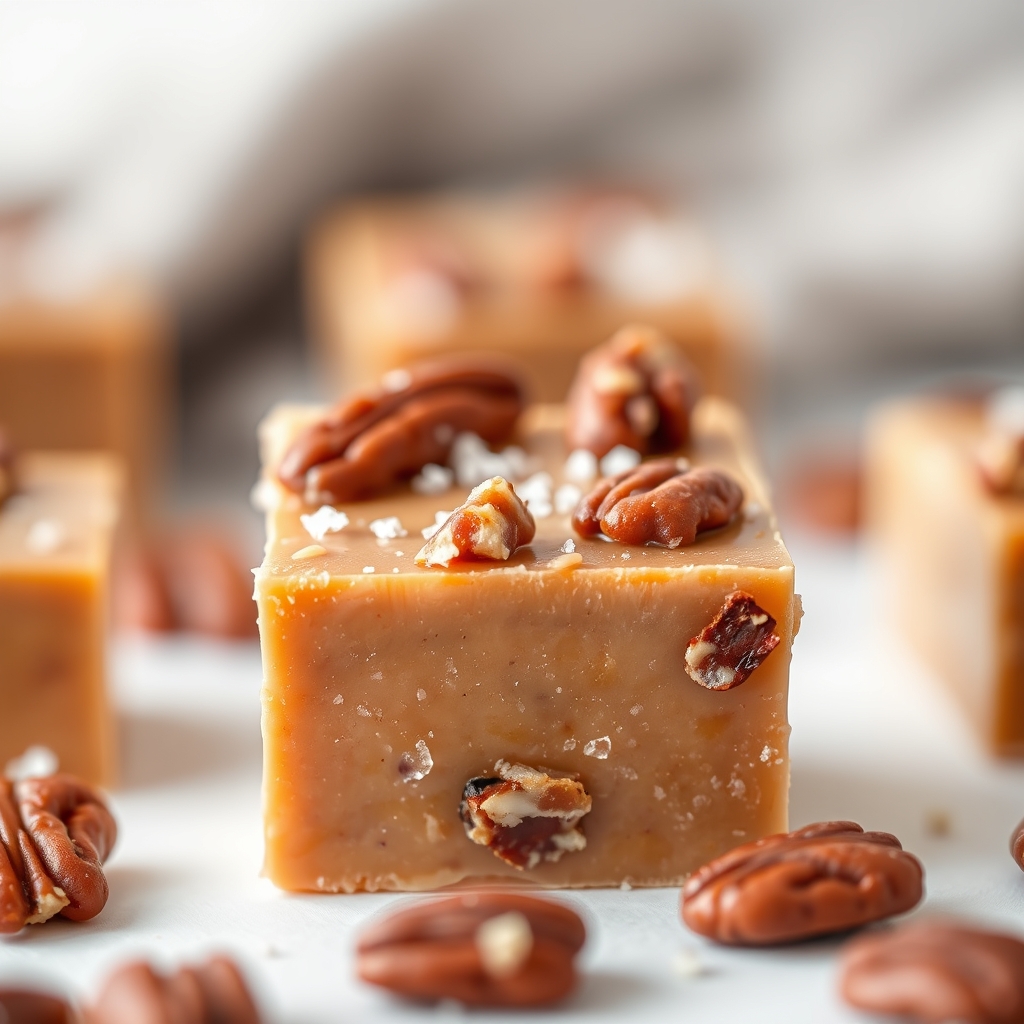
Crafting Sugar-Free Fudge Without Artificial Sweeteners
You may be surprised to learn that making delicious sugar-free fudge without artificial sweeteners is entirely possible. This guide will provide you with the me

This article contains Amazon affiliate links. As an Amazon Associate, CandiesAndSweets earns from qualifying purchases.
 Save
Save
Part of our Sugar-Free & Keto Sweets guide.
You may be surprised to learn that making delicious sugar-free fudge without artificial sweeteners is entirely possible. This guide will provide you with the methods and ingredients needed to create a decadent treat that satisfies your sweet cravings while keeping it wholesome. By focusing on natural alternatives like unsweetened cocoa, nut butters, and a variety of natural sweeteners, you can indulge your taste buds without compromising your health goals. Get ready to explore simple yet effective recipes that will elevate your fudge-making experience!
The Foundations of Sugar-Free Fudge
Creating a delightful sugar-free fudge requires more than just substituting one ingredient for another; it hinges on understanding the fundamental components that form the essence of fudge. You’ll want to focus on achieving that smooth, creamy texture and rich flavor profile that is traditionally associated with classic fudge. The right balance of healthy fats, natural sweeteners, and binding agents will help you craft a decadent treat that satisfies your sweet tooth without any sugar-induced guilt. The most successful recipes leverage whole-food ingredients to ensure your fudge is not only delicious but also nutritious.
Natural Sweeteners: A Closer Look
When deciding on natural sweeteners, options abound that won’t interfere with your health goals. For instance, date paste, made from blending whole dates, offers a caramel-like flavor while providing fiber and antioxidants. Maple syrup, while a bit higher on the glycemic index, still serves as a great alternative if used sparingly, delivering a unique taste profile. Additionally, coconut sugar can be a fantastic option as it contains trace minerals and has a lower glycemic impact than regular sugar. These sweeteners add depth and complexity to your fudge without relying on lab-created substitutes.
Key Ingredients for a Healthy Fudge Base
The magical consistency of fudge often comes down to a blend of key ingredients that work harmoniously. Healthy fats like coconut oil or nut butters not only contribute to a creamy texture but also provide vital fatty acids that nourish your body. Nut butter can also enhance the flavor profile, making your fudge taste indulgent without the guilt. A binding agent, such as almond flour or coconut flour, can help hold the fudge together while boosting its nutritional profile, adding fiber and protein into the mix.
Incorporating premium cocoa powder or raw cacao will elevate your fudge to a whole new level, offering antioxidants and rich flavor without any sugar content. This creates a base that supports a satisfying mouthfeel and reinforces the notion that decadent treats can indeed be health-conscious. Selecting these quality ingredients will not only simplify your preparation but will ensure your fudge is both a wholesome snack and a tasty delight.
Crafting Your Recipe: Step-by-Step Guide
| Ingredient | Measurement |
| Nuts (e.g., walnuts or pecans) | 1 cup, chopped |
| Nut butter (e.g., almond or peanut) | 1 cup |
| Coconut oil or cocoa butter | ½ cup |
| Cocoa powder (unsweetened) | ½ cup |
| Vanilla extract | 1 tsp |
| Unsweetened shredded coconut (optional) | ½ cup |
| Sea salt | Pinch |
Essential Tools and Equipment for Fudge-Making
Gathering the right tools helps streamline the fudge-making process and ensures a successful outcome. A heavy-bottomed saucepan is a must for melting your ingredients evenly without scorching them. A mixing spoon, preferably wooden, allows you to thoroughly combine your components while giving you better control over the mixing. If you plan to incorporate chocolate into your sugar-free fudge, a silicone spatula will come in handy for smoothing it into your pan. Don’t forget parchment paper; lining your baking dish makes for easy removal of the finished fudge.
In addition, a candy thermometer is a useful tool for those aiming to achieve the perfect texture. You’ll want to monitor the temperature of your mixture to ensure it reaches the right consistency; sugar free mixtures can be trickier than traditional ones, making a thermometer even more beneficial. Lastly, you’ll need an 8-inch square or similar-sized baking pan, ideal for making fudge that is thick and satisfying.
The Process: Mixing, Melting, and Cooling
Begin by measuring out your ingredients precisely to ensure they meld together smoothly. In your heavy-bottomed saucepan, combine the nut butter, coconut oil, and cocoa powder over low to medium heat. Stir gently until everything is fully melted and blended. Be patient during this step as temperature control is key to avoid burning the cocoa. Once your mixture is smooth, add in the vanilla extract, sea salt, and any optional ingredients like chopped nuts or shredded coconut, mixing well to distribute everything evenly.
Pour the melted mixture into the lined baking dish, spreading it out evenly with your spatula. Ideally, place it in the refrigerator to cool for about 2-3 hours, allowing it to set and firm up nicely. This resting time develops the fudge’s flavor and ensures it holds its shape when you cut it into pieces. After cooling, lift the fudge out of the pan using the parchment paper and slice it into squares. Storage is easy; keep leftover fudge in an airtight container in the refrigerator for a couple of weeks, if it lasts that long!
Monitoring the melting process is a pivotal moment in creating your fudge. As the heat gently coaxes the ingredients together, keep stirring to prevent any hot spots that might scorch. Once fully combined, the mixture should have a glossy appearance, signaling readiness for cooling. Reaching just the right temperature and texture can greatly affect the final product, which is why patience is your ally in this endeavor. Once you pour your creation into the pan, you’ll want to tap it gently on the counter to release any air bubbles, ensuring a dense, rich fudge.
Flavor Profiles that Elevate Your Fudge
Infusing Natural Flavors: From Nuts to Extracts
Elevating your fudge with natural flavors adds depth and personality to your creation. Consider incorporating various nuts or nut butters for a rich, earthy taste. Almonds or hazelnuts, for instance, can provide a delightful crunch and unique profile. A splash of vanilla extract or almond extract can enhance the overall sweetness without the addition of sugar, giving your fudge a velvety aroma that complements its texture beautifully. You can even experiment with other extracts such as peppermint or coconut to infuse seasonal flair, transforming your fudge into a festive treat that resonates with various occasions.
Freshly grated spices, such as cinnamon, nutmeg, or even cardamom, can further elevate your fudge. Adding a pinch of these spices creates a warm, inviting flavor that is particularly delightful in cooler months. For an exotic twist, consider integrating citrus zests like orange or lemon, which can cut through the creaminess and provide a refreshing contrast. By thoughtfully combining your elements, you’ll craft a potent flavor experience that holds its own against traditional sugary counterparts.
Texture Variants: Creamy, Crunchy, and Beyond
Your sugar-free fudge can embrace diverse textures, which not only enhances its appeal but also enriches your tasting experience. The base texture achieved through ingredients like nut butter or coconut cream can be wonderfully smooth and creamy, serving as the perfect foundation for additional elements. To add intrigue, consider folding in nuts for a delightful crunch, or vibrant ingredients like puffed rice or crispy coconut flakes for an unexpected twist. The interplay of creamy and crunchy not only tantalizes the palate but also invites a more engaging eating experience.
Experimenting with texture can also involve alternating between solid and liquid components. For example, drizzling your finished fudge with a homemade sugar-free chocolate sauce or caramel can create a sauce-like topping that contrasts with its firm structure. You might also contemplate mixing wild elements such as seeds—chia or pumpkin—for an unexpected crunch and nutritional boost. Each texture variant offers a different storytelling aspect to your fudge, making each bite an exploration of flavor and mouthfeel.
Replacing Traditional Fudge Favorites
Alternatives for Chocolate Fudge Lovers
For those who can’t resist the allure of rich and creamy chocolate fudge, there are several ways to achieve that satisfying cocoa flavor without relying on traditional sugars. Cacao powder combined with nut butter, such as almond or cashew, creates a velvety texture that closely resembles classic fudge. Incorporating a bit of coconut milk or heavy cream can enhance the richness while ensuring your fudge remains decadent. For sweetening, naturally occurring sources like mashed bananas or unsweetened applesauce can add just the right amount of natural sweetness, seamlessly melding into your chocolate mixture.
Experimenting with different types of chocolate is another rewarding avenue. You might choose high-quality dark chocolate or even make your own chocolate blend using cacao nibs, which provide a more intense chocolate flavor without the added sugars. Adding a sprinkle of sea salt or a hint of vanilla extract can take your fudge to another level, tantalizing your taste buds and satisfying your chocolate cravings without the guilt.
Seasonal Variations: Incorporating Fruits and Spices
Infusing seasonal fruits and spices into your fudge recipe offers an exciting twist that elevates flavor and adds a colorful presentation. For example, consider incorporating pumpkin puree and a blend of warming spices like cinnamon and nutmeg during autumn. Not only does this make for a delightful treat as the leaves change, but it also provides the wholesome benefits of pumpkin, such as a good source of vitamin A and fiber. Similarly, you could use fresh strawberries or crushed raspberries during summer to create a refreshing fudge flavor that celebrates the season.
Another fun idea involves using festive flavors during the holidays. Think peppermint extract combined with crushed candy canes for a winter wonderland effect, or a touch of ginger and molasses to capture the essence of fall. The addition of spices and fruits not only complements the core fudge flavors but also introduces a delightful complexity that’s perfect for different occasions, ensuring there’s always a fudge option for everyone year-round.
To truly harness the seasonal bounty, aim to use fresh or frozen fruit, as they carry their own natural sweetness and can help create a moist texture in the fudge. You can also experiment with dried fruits, like figs or apricots, which lend a chewy contrast that pairs beautifully with the creamy consistency of your fudge. Seasonal variations allow you to play with flavors and ingredients, keeping your fudge exciting, delicious, and perfectly attuned to the time of year.
Health Benefits of Going Sugar-Free
The Impact on Blood Sugar Levels
Eliminating sugar from your diet can have a profound impact on your blood sugar levels. The absence of refined sugars stabilizes your glucose levels, reducing the risk of spikes and crashes that often accompany sugar-laden treats. For those with insulin sensitivity or diabetes, this is particularly beneficial, as it can lead to improved management of blood glucose. A balanced diet focused on whole, natural ingredients allows your body to utilize energy more efficiently and reduces the amount of insulin your body needs to produce.
Furthermore, research indicates that consistent high sugar intake can lead to insulin resistance over time. By opting for sugar-free options, you help your body maintain better hormone balance. This not only aids in weight management but can also contribute to a lowered risk of metabolic syndrome, which is increasingly recognized as a precursor to more serious health complications.
Nutritional Benefits of Natural Ingredients
The shift to using natural ingredients instead of artificial sweeteners provides a wealth of nutritional benefits. Whole foods like nuts, seeds, and natural sweeteners such as date syrup or pureed fruit often carry added nutrients, vitamins, and antioxidants that are absent in processed sweeteners. For instance, using nut butters in your sugar-free fudge not only gives it a creamy texture but also packs it with healthy fats, protein, and fiber, helping you feel fuller for longer while supporting heart health.
Opting for wholesome ingredients means you’re also ditching the potentially harmful additives and chemicals commonly found in artificial sweeteners. Whole foods work together synergistically, promoting better digestion and nutrient absorption, making your diet overall more nourishing. Incorporating a variety of these natural ingredients enhances the flavor profile of your fudge, leading to a decadent treat that does not compromise your health goals.
To wrap up
As a reminder, crafting sugar-free fudge without artificial sweeteners allows you to enjoy a delightful treat while maintaining healthier dietary choices. By utilizing natural sweeteners such as stevia, monk fruit, or low-carb alternatives like unsweetened cocoa powder, you can create a rich and flavorful fudge that satisfies your sweet tooth without compromising your health goals. This approach not only enhances the taste but also provides a variety of nutritional benefits, making it easier for you to indulge responsibly.
When preparing your sugar-free fudge, it is crucial to follow the right proportions and techniques to achieve the perfect texture and flavor. Explore different combinations of nuts, spices, and healthy fats like coconut oil or nut butter to personalize your fudge just the way you like it. By doing so, you’ll not only find joy in the preparation process but also gain a sense of accomplishment with every batch you create. You’ll be well on your way to enjoying indulgent sweets while keeping your overall health in check.