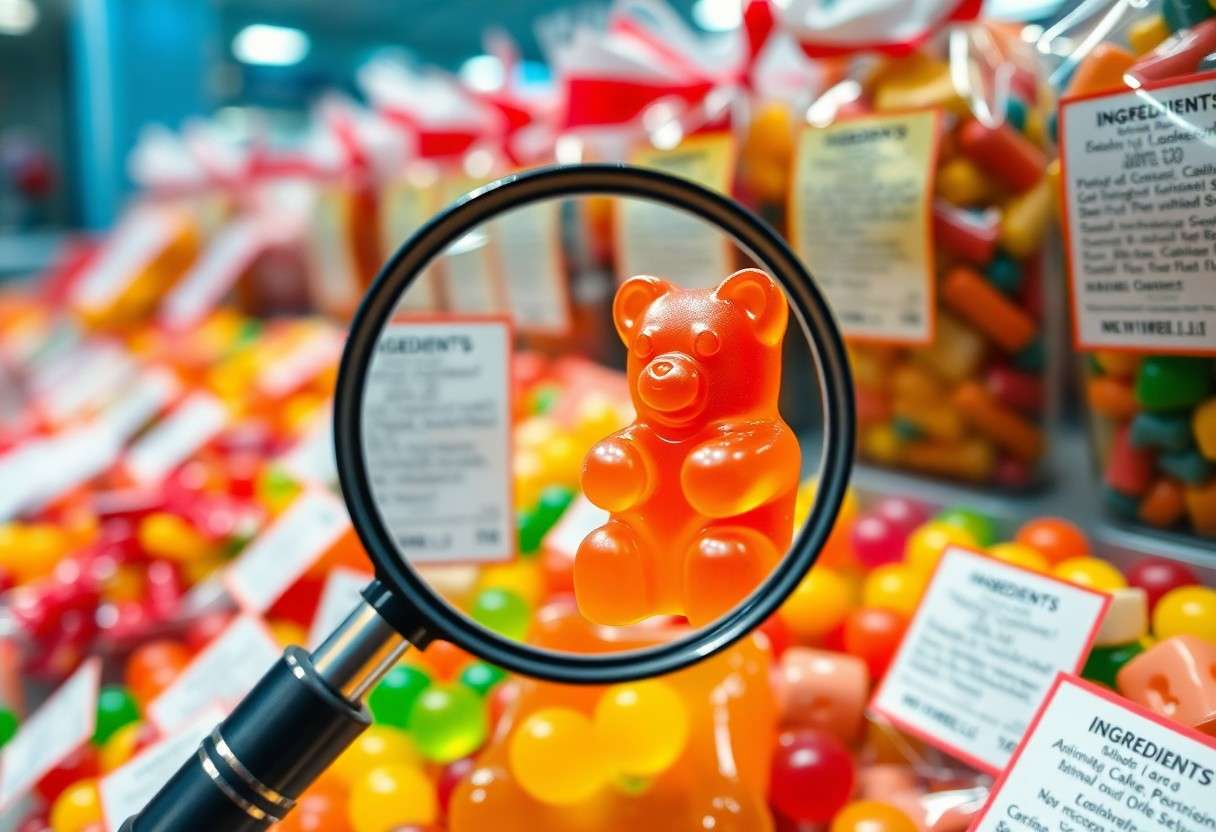
Decoding Labels – What Really Makes Candy Vegan
Many candy lovers find themselves confused when trying to choose vegan options. With an overwhelming variety of labels and ingredients, it can be challenging to

This article contains Amazon affiliate links. As an Amazon Associate, CandiesAndSweets earns from qualifying purchases.
 Save
Save
Part of our Vegan & Plant-Based Chocolate & Candy guide.
Many candy lovers find themselves confused when trying to choose vegan options. With an overwhelming variety of labels and ingredients, it can be challenging to determine what truly qualifies as vegan-friendly. In this post, you’ll gain insight into the key components and common additives that could impact your choices. By understanding these labels, you can make informed decisions that align with your dietary preferences and ethics, ensuring that your sweet treats align with your vegan lifestyle.
What Ingredients Can Sabotage Vegan Claims
The Role of Animal-Derived Ingredients
Animal-derived ingredients lurk in many candies under various guises, which can easily deceive even the most vigilant vegan. For instance, gelatin, a common gelling agent, is sourced from animal collagen, typically derived from the bones and skin of cows or pigs. Even if a whimsical candy has a fruit flavor and bright colors, you might find that it contains gelatin, thus completely nullifying its vegan status. Another ingredient to watch for is albumin, which is a protein found in egg whites. Manufacturers love to use it in candies for its emulsifying properties, so encountering it as an ingredient could mean ditching that sweet on ethical grounds.
Dairy products, while straightforward, can manifest in unexpected forms as well. Ingredients like whey powder, casein, and even lactose sneak into many confections that seem innocuous. For example, chocolate-covered candies often contain milk chocolate, which not only adds creaminess but also makes the product off-limits for strict vegans. Also, carmine, a natural red dye made from cochineal insects, can be found in certain candies and snacks, highlighting that animal products can permeate even the most colorful treats.
Common Misconceptions About Labeling
You might trust that a label marked “contains natural flavors” is safe, but without clarification, it may lead to confusion. Natural flavors can be sourced from animal byproducts, and if the company doesn’t specify, you are left in the dark. This ambiguity is especially prevalent in the candy industry, as many manufacturers are not obliged to disclose the exact sources of their ‘natural flavors’. Consequently, a seemingly harmless item might harbor hidden animal ingredients, undermining your vegan diet completely.
Another misconception revolves around terms like “organic” or “sugar-free”, leading some to believe that such labels guarantee a product is vegan. In reality, organic can still mean the inclusion of animal-derived components, and sugar-free options may utilize bone char in the sugar-refining process. Thus, your commitment to a vegan lifestyle can be unintentionally compromised without due diligence.
Many consumers mistakenly believe that the absence of meat or dairy automatically makes a product vegan. This assumption can lead to surprises when a seemingly plant-based candy contains ingredients like gelatin or casein, which are entirely animal-derived. Mislabeling and vague ingredient descriptions add to the complexity, giving the impression that a candy is suitable for vegans when it may still harbor problematic components. Checking labels thoroughly is vital, and if you’re uncertain, seeking out brands that explicitly mark their products as vegan can help safeguard your choices.
Deciphering the Fine Print: Vegan Certifications
Recognizing Legitimate Vegan Labels
Your journey through the candy aisle can be made simpler by recognizing legitimate vegan certifications. Various organizations have established rigorous standards to determine whether a product is truly vegan. For instance, labels from the Vegan Society or Vegan Action are notable indicators of a product’s adherence to vegan principles. Such certifications ensure the absence of animal-derived ingredients and that no animal testing was conducted during the creation of the product. When you see these seals, you can feel more confident that your candy choices align with your ethical values.
Not all labels are created equal, so being discerning pays off. Scanning for certifications associated with brands dedicated to veganism and ethical sourcing is key. Some companies may use persuasive marketing to imply vegan qualities without having official certification, which can create a misleading impression. Always look for the logo along with an understanding of the certifying organization’s criteria, as this insight can save you from unintentional purchases of non-vegan products.
The Importance of Transparency in Ingredients
Ingredient transparency is non-negotiable for those committed to a vegan lifestyle. Many brands now provide comprehensive ingredient lists on packaging, but the challenge lies in understanding whether those ingredients maintain vegan integrity. For example, products labeled as “sugar” may use refined sugar processed with bone char, making them unsuitable for strict vegans. Moreover, some manufacturers adopt vague terminology such as “natural flavors,” leaving you guessing about the source. You have every right to know what you’re consuming.
A thorough examination of ingredient lists is necessary for avoiding hidden non-vegan elements. Your vigilance ensures that you remain within the boundaries of your dietary choices while supporting brands that prioritize transparency. Engaging with brands directly—sending inquiries regarding their sourcing processes or specific ingredients—can often yield valuable insights. Some companies openly share their ingredient procurement methods, empowering you to make informed choices that align with your values.
The Ethical Considerations Behind Sugar Production
The ethics surrounding sugar production are often overshadowed by a focus on its taste and versatility in food products, but it’s necessary to consider what lies beneath. A significant ethical concern arises from the use of bone char in the processing of sugar, particularly in the United States. Bone char, derived from the bones of animals, is frequently employed to decolorize and filter sugar, giving it that remarkably white appearance. This practice raises questions, especially for those who adhere to a vegan lifestyle, as it blurs the lines between plant-based ingredients and animal-derived processing methods. You might be inadvertently consuming sugar that doesn’t align with your ethical beliefs, despite it appearing to be plant-based on the label.
Exploring Bone Char: The Hidden Controversy
Bone char’s presence in sugar processing has sparked heated debates within ethical circles. Although not every sugar manufacturer uses this method, the lack of transparency in sourcing can create confusion for consumers. For instance, both cane and beet sugars can be processed with bone char, making it difficult to discern which brands are truly vegan-friendly. Some companies openly disclose their processing methods, while others remain vague, leaving you to sift through the fine print to uncover the truth. This hidden aspect of sugar production complicates the choices you must make as a conscious consumer.
Vegan Alternatives in Sugar Processing
Fortunately, there are alternatives to bone char that maintain ethical standards for sugar processing without compromising on quality. Activated charcoal, ion-exchange resins, and other techniques are gradually gaining traction among ethical producers who aim to cater to the vegan market. For example, brands like Wholesome Sweeteners and Florida Crystals employ processes that avoid animal-derived materials, ensuring that their products meet vegan criteria from start to finish. However, even with these alternatives, it remains crucial to research and verify each brand’s practices before making a purchase.
As consumer demand for vegan products grows, the market is beginning to respond with a wider range of sugar options processed without animal byproducts. These alternatives not only help preserve the integrity of a vegan diet but also pave the way for more ethical production standards within the sugar industry. By choosing brands that prioritize transparency and ethical processing, you can contribute to a more compassionate approach to sweetening your treats.
Navigating Flavorings and Colorings: The Vegan Dilemma
Flavorings and colorings add excitement to the candy landscape, but these additives often pose a challenge for those adhering to a vegan lifestyle. One important aspect to consider is the source of these flavorings and colorings—natural versus synthetic. Natural flavorings typically come from plant-derived sources, making them more aligned with a vegan diet. Ingredients like important oils, fruit extracts, and spices often fall into this category. However, identifying which flavorings are genuinely plant-based can be tricky, as companies may use ambiguous terms like “natural flavors” that warrant further investigation. Checking the ingredient list and manufacturer practices becomes important and can help ensure you’re choosing truly vegan products.
Identifying Natural vs. Synthetic Additives
When considering colorings, you’ll find a blend of natural and synthetic options. Natural colorings derived from fruits, vegetable juices, or spices are generally safer bets for vegans. Ingredients such as beetroot red or paprika extract commonly boast vegan-friendly status, though some naturally sourced colorings can also have controversial components, like carmine, which is made from crushed cochineal insects. Synthetic colorings, while often vegan, may still raise questions regarding animal testing and ethical production methods. As you read labels, consider seeking brands that clearly disclose their sourcing to ensure your candy indulgence aligns with your values.
Potential Animal Origins of Common Flavorings
Common flavorings can harbor hidden animal-derived components. For instance, vanillin, often used to impart vanilla flavor, can be derived from both synthetic sources and guaiacol, a compound found in lignin from wood, but in some cases, it is derived from castoreum, which is extracted from the sacs of beavers. Similarly, butter flavoring may appear innocuous but is typically derived from dairy, effectively disqualifying it from a vegan diet. Understanding these nuances can help you navigate the landscape of flavorings more effectively and spot potential pitfalls in your quest for candy that aligns with your ethical standards.
The Rise of Vegan Candy Brands and Innovations
Vegan candy brands have surged in popularity, driven by the increasing consumer demand for plant-based alternatives. The rise can be linked to greater awareness of health and environmental issues surrounding animal products, as well as dietary restrictions. As a result, companies are innovating not just in their ingredient selections but also in their approaches to production, ensuring that vegan offerings last beyond the niche market to appeal to mainstream audiences. For instance, brands like Hu Chocolate and LÄRABAR have crafted their products using minimal ingredients, enhancing appeal through transparency and flavor. This convergence of health consciousness and ethical considerations continues to reshape the candy landscape into one where vegan options are not an afterthought but a desirable choice.
Spotlight on Game-Changing Manufacturers
Several manufacturers are leading the charge in redefining what vegan candy can be. One such game-changer is Unreal, which has created a buzz in the candy aisle with its plant-based versions of classic favorites like peanut butter cups and crispy rice candies. Their products are not only dairy-free but also made without artificial ingredients, providing a cleaner label that resonates with health-focused consumers. Another notable figure is Tony’s Chocolonely, committed not only to veganism but also to ethical sourcing, making it a pioneer in combining taste, social responsibility, and sustainability. With brands like these, your options have never been tastier or more responsible.
Trends Shaping the Future of Vegan Confections
The future of vegan confections is being shaped by several key trends, including innovative flavor pairings, the use of alternative sweeteners, and eco-conscious packaging. One noteworthy trend is the incorporation of unique superfoods and adaptogens, which not only enhance flavor but also bring additional health benefits. As manufacturers explore ingredients like spirulina, maca, and even matcha, you may find that your favorite sweets double as health boosters. Additionally, the shift towards natural sweeteners like agave nectar and monk fruit is helping to reduce the sugar content in many vegan candies while still satisfying your sweet tooth.
As you explore these trends in vegan confectionery, keep an eye out for sustainable packaging initiatives, as many brands are shifting towards compostable or recyclable materials. This decision not only underscores their commitment to ethical practices but also caters to environmentally-conscious consumers who want an all-around guilt-free indulgence. Brands will likely continue to experiment with flavors and bridges between traditional confections and modern tastes, ensuring that vegan candy remains relevant and desirable for a growing market.
Conclusion
Considering all points, navigating the world of candy can be quite a challenge, especially when you’re aiming for vegan options. You may find that many sweets contain hidden animal-derived ingredients, making it vital to read labels carefully. Ingredients such as gelatin, honey, and certain colorings can sneak into your favorite treats, complicating your choices. When you understand how to decode these labels, you empower yourself to select candies that align with your dietary preferences.
By taking a closer look at the ingredients and familiarizing yourself with common animal by-products, you can enjoy candy with confidence. Don’t hesitate to reach out to manufacturers if you have questions about specific ingredients or production methods. Your commitment to a vegan lifestyle can lead you to discover a wide array of delicious options that meet your standards while satisfying your sweet tooth.