How to Make Plant-Based Truffles at Home Easily
Most of the process is straightforward when you follow clear steps: you'll learn how to make a silky plant-based ganache with coconut cream or nut butter, adjus

This article contains Amazon affiliate links. As an Amazon Associate, CandiesAndSweets earns from qualifying purchases.
 Save
Save
Most of the process is straightforward when you follow clear steps: you’ll learn how to make a silky plant-based ganache with coconut cream or nut butter, adjust flavors, chill and portion the mixture, and roll and coat truffles so your confections look and taste professional.
Preparation
Before you start assembling the ganache, set up a clean, cool workspace and line a baking sheet with parchment so truffles can rest once rolled; this simple layout saves time when the ganache firms up. Aim to have your refrigerator at about 4°C so the ganache chills evenly-in most recipes a 200 g batch of chocolate ganache will become scoopable after 1-2 hours in the fridge.
Start by chopping chocolate into roughly 1 cm pieces so it melts uniformly, and warm your coconut cream (or chosen dairy-free cream) to just under simmering before pouring it over the chocolate to form an emulsion. If you plan to infuse flavor-such as steeping a 1-inch strip of orange peel or 1 tablespoon of crushed cardamom-do that in the warm cream for 5-10 minutes, then strain before combining with the chocolate to keep the ganache silky.
Ingredients Needed
You’ll typically use 200 g of dairy-free dark chocolate (60-75% cocoa) and about 120 ml (½ cup) full-fat coconut cream to make a classic ganache; that ratio yields roughly 18-22 truffles when portioned with a 1-tablespoon (15 ml) scoop. Add 2 tablespoons maple syrup or agave for sweetness, 1 teaspoon vanilla extract, and a pinch of fine sea salt to balance the flavors.
For coatings and variations plan on: 2-3 tablespoons unsweetened cocoa powder, ¼ cup finely chopped toasted nuts (hazelnuts or pistachios), and ¼ cup shredded coconut. If you want a boozy or nutty twist, 1-2 tablespoons of dark rum or smooth almond butter folded into the warm ganache changes texture and yield slightly-using 1 tablespoon of liqueur reduces the cooling time by a few minutes but can make the ganache slightly softer.
Tools and Equipment
Gather a small saucepan and heatproof bowl for a double-boiler, or plan microwave bursts of 15-20 seconds to melt chocolate; a silicone spatula and a small whisk are indispensable for smooth emulsification. Use a digital kitchen scale (accuracy to 1 g) for consistent results, a melon baller or 15 ml cookie scoop for even-sized truffles, and a baking sheet lined with parchment to hold formed pieces while they set.
Also have a candy or digital thermometer (aim for melted chocolate around 40-45°C if you’re tempering lightly), a fine-mesh strainer for infused creams, and an airtight container for chilling and storage-glass or BPA-free plastic both work well in the fridge or freezer. Silicone molds are optional but useful when you want uniformly shaped confections or plan to enrobe centers in tempered chocolate.
If you lack specialty tools, improvise: a metal bowl over simmering water is a reliable double-boiler, a tablespoon and a spoon can substitute for a scoop (expect slightly uneven sizing), and the freezer will firm ganache in 20-30 minutes if you’re short on chilling time. For consistent portion control, note that a 10-12 ml scoop yields about 24 truffles from the 200 g chocolate recipe, which helps when planning coatings and storage containers.
How to Make Plant-Based Truffles
You’ll want to work with a firm ganache base so the truffles hold their shape: use about 200 g dark chocolate (70% cocoa works well for depth) to 100 g full-fat coconut cream by weight for a reliably firm texture. Add 2 tablespoons maple syrup, a pinch of fine salt and 1 teaspoon vanilla extract for balance; an optional tablespoon of orange liqueur or espresso concentrates flavor without thinning the ganache. Expect this batch to yield roughly 18-24 bite-sized truffles (about 10-12 g each).
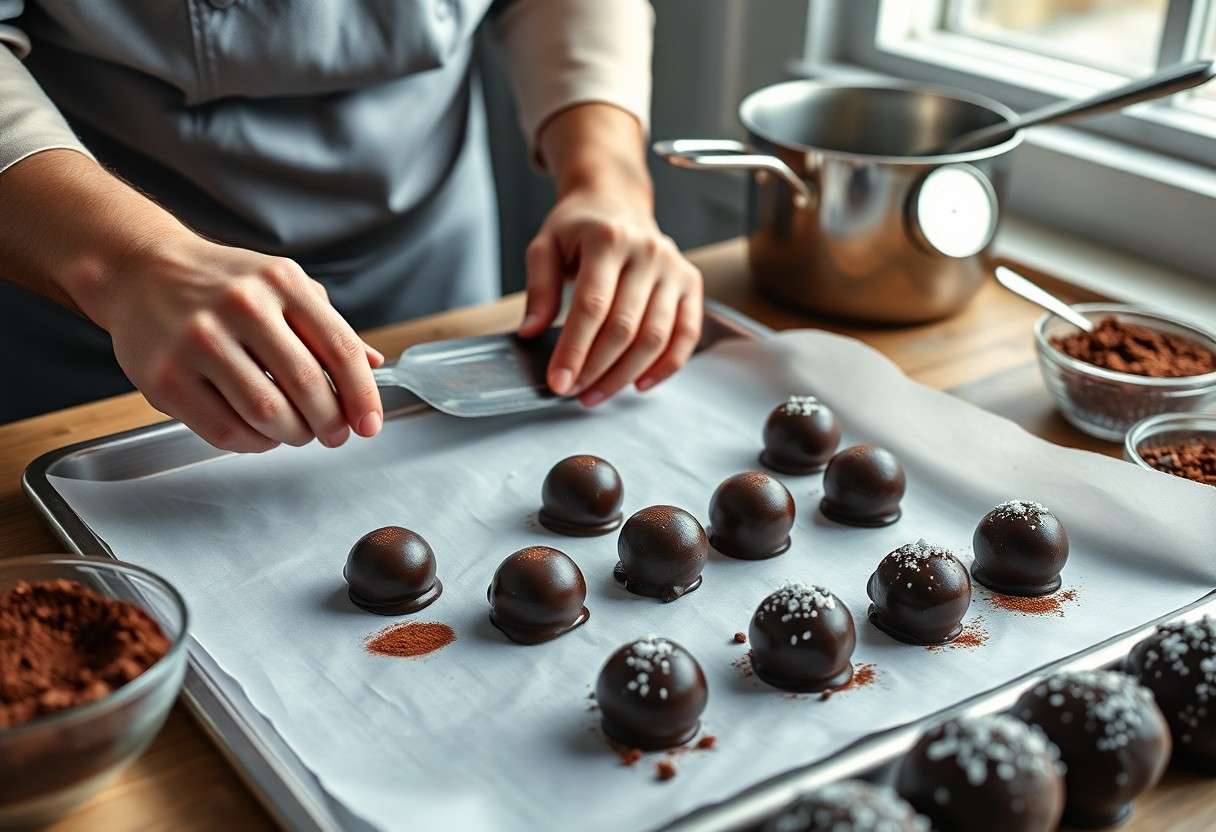
Once the ganache is smooth, chill it covered in the refrigerator for 1-2 hours until firm enough to scoop; rolling and coating will take another 30-60 minutes. Use a small scoop or one-teaspoon measure for uniform sizing, and work with chilled hands or lightly oiled gloves to prevent melting. Store finished truffles refrigerated up to 10 days or frozen for longer storage, thawing in the fridge before serving.
Step-by-Step Instructions
Heat the coconut cream until it just begins to simmer, then pour it over finely chopped chocolate and let it sit 1-2 minutes before stirring to a glossy ganache. Stir in sweetener and flavorings, cover, and chill until firm; scoop, roll and coat as desired, using cocoa powder, chopped nuts, or tempered chocolate for a shell.
Truffle Making Steps
| Step | Details |
|---|---|
| Chop chocolate | 200 g dark chocolate, chopped to small even pieces for smooth melting. |
| Heat cream | 100 g (≈100 ml) full-fat coconut cream, heat to just below boiling (small bubbles at edge). |
| Combine | Pour cream over chocolate, wait 1-2 minutes, then stir gently until glossy and homogenous. |
| Add flavor | Stir in 2 tbsp maple syrup, 1 tsp vanilla, pinch of salt; optional 1 tbsp liqueur or espresso. |
| Chill | Cover and refrigerate 1-2 hours until firm enough to scoop. |
| Scoop & roll | Scoop ~1 tsp (10-12 g) portions, roll quickly between chilled palms, then return to chill 30-60 minutes. |
| Coat & store | Roll in cocoa, nuts, or dip in cooled melted chocolate; refrigerate up to 10 days or freeze for months. |
Common Mistakes to Avoid
Overheating chocolate or introducing even a drop of water will make it seize; keep melted chocolate below about 45°C and avoid steam contact. If you use low-fat plant milks instead of full-fat coconut or nut cream, the ganache will be too soft-stick to full-fat coconut cream, cashew cream or a 2:1 chocolate-to-fat ratio by weight for firm results. You’ll also want to keep portions consistent: uneven scoops lead to uneven chilling times and inconsistent coatings.
If you rush chilling or handle the ganache with warm hands, the truffles will lose shape and become greasy; work in batches and refirm in the fridge between rolling and coating. Using poor-quality chocolate (low cocoa solids, high vegetable fat) reduces flavor and causes runny texture, so choose couverture or high-percentage dark chocolate for best results.
When chocolate seizes or the ganache is too thin, save the batch by adding a small amount of warm coconut cream (start with 1 tablespoon) and whisking, or slowly fold in an extra 25-50 g chopped chocolate and reheat gently in a bain-marie until smooth; conversely, if it’s too stiff after chilling, let it soften at room temperature for 5-10 minutes before scooping. You might also enjoy our guide on Best Vegan White Chocolate Bars for Baking.
Tips for Perfect Truffles
Use dark vegan chocolate in the 60-72% cocoa range and a 1:1 ganache ratio by weight for a reliably firm center (for example, 200 g chocolate to 200 g coconut cream yields about 18-20 bite-sized truffles if you portion ~10 g each). Heat the cream to just under simmering (80-90°C / 175-195°F), pour over chopped chocolate, let sit 1-2 minutes, then stir gently to form a glossy emulsion; a digital thermometer and scale will cut trial-and-error time drastically. Chill the ganache in the fridge 2-4 hours (or overnight for best texture), or speed things up with 20-30 minutes in the freezer if you plan to roll the same day.
When coating, tempering or at least closely controlling coating temperature prevents bloom and gives a clean snap: melt to ~45°C (113°F), cool to ~27°C (80°F), then raise to 31-32°C (88-90°F) for dark chocolate. Work in batches on a silicone mat, use a small cookie scoop for uniformity, and keep your kitchen at ~18-21°C to avoid excessive melting; if your hands warm the ganache too fast, rinse them in cold water between rolls and dry thoroughly.
- Weigh everything-ganache texture changes with as little as 5-10% variation in fat.
- For firmer centers, increase chocolate by 10-15% or use higher cocoa solids (70%+).
- Freeze rolled truffles 10-15 minutes before coating to prevent misshapen shells.
- Dust with sifted cocoa, freeze-dried fruit powder, or chopped nuts right after coating so it adheres evenly.
- Use neutral-flavored oils (1-2 tsp per 100 g chocolate) to thin coating chocolate for a glossy finish without changing taste.
- Keep a clean offset spatula and double boiler setup handy to maintain consistent coating temperature.
Flavor Combinations
Pair a 70% dark ganache with 1 teaspoon finely grated orange zest per 200 g ganache and a pinch of flaky sea salt to create a classic citrus-dark profile; for a fruity, tangy option, blend 20 g freeze-dried raspberry powder into 200 g ganache and finish with a raspberry dusting to amplify the color and aroma. If you prefer nutty richness, fold 30-40 g finely ground toasted pistachios or hazelnuts into the cooled ganache-this adds texture and limits the need for additional coatings.
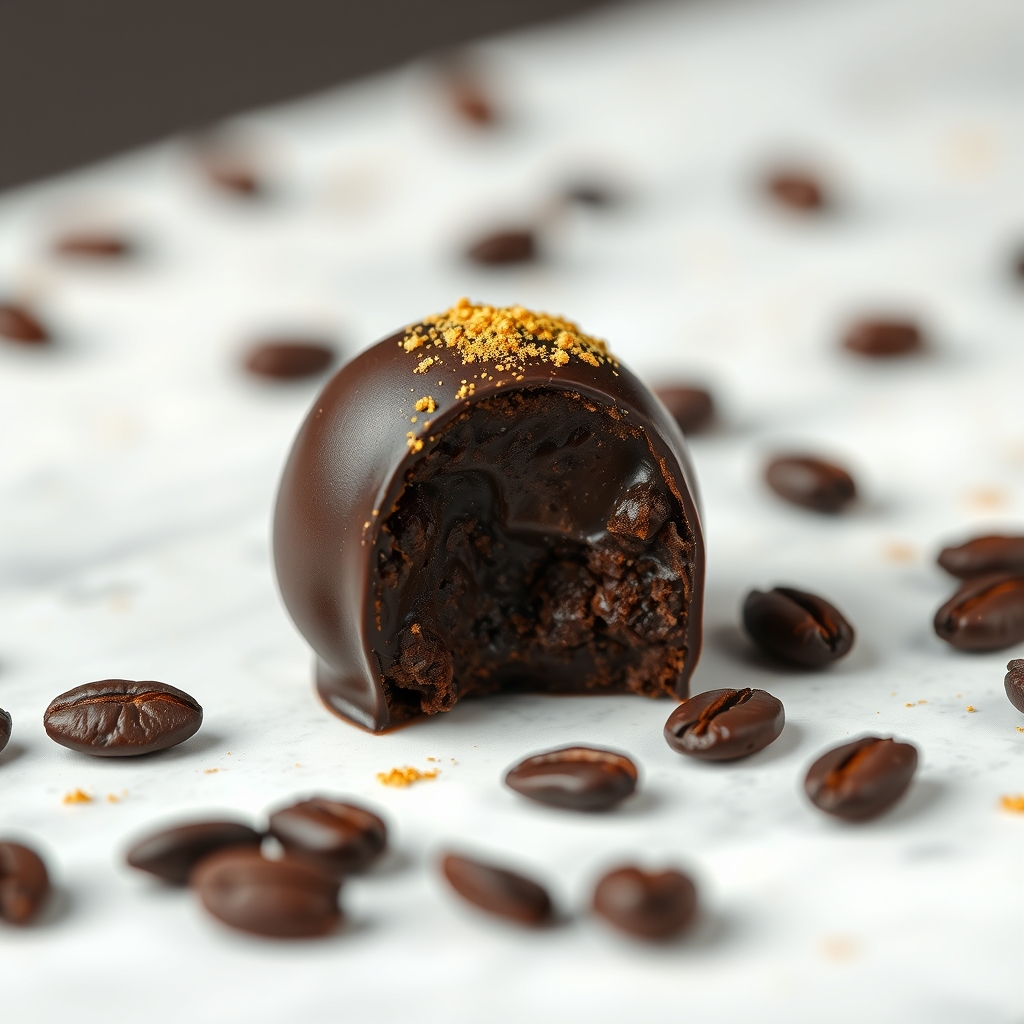
For coffee lovers, dissolve 2 teaspoons instant espresso or 5 g espresso powder per 200 g ganache for a pronounced mocha note that pairs well with cocoa dust or a dark chocolate shell; matcha works beautifully with a white vegan chocolate base-use 5 g culinary-grade matcha per 200 g ganache and sift the matcha on top to avoid clumps. Spice-driven variations-such as 1/4 teaspoon ground cardamom or 1/8 teaspoon smoked chili per 200 g-can transform small batches into distinctive seasonal offerings without extra equipment.
Storage Suggestions
Store truffles in an airtight container layered between parchment sheets at 4°C (39°F) in the refrigerator for 1-2 weeks; for longer keeping, freeze in a single layer until solid then transfer to a sealed, freezer-safe container for up to 3 months. Thaw frozen truffles in the refrigerator for 6-8 hours to avoid condensation that can dull coatings and cause sugar bloom.
When transporting or serving, pack the container with a thin layer of insulating material (a folded tea towel or gel ice pack) to keep the temperature steady-temperatures above 22°C (72°F) will soften centers and affect appearance within 30-60 minutes. If you need same-day display at room temperature, assemble no more than 2-3 hours before serving and choose coatings like tempered chocolate or cocoa powder that tolerate brief warmth better than fragile sprinkles.
For extended storage, vacuum-seal individual portions or use a dry-ice-adjacent quick-freeze technique (freeze 2-3 hours solid on a tray before sealing) to minimize air exposure; label containers with date and flavor, and when in doubt, perform a small thaw test to confirm texture before presenting a large batch.
Thou may adjust ratios and times slightly based on the specific plant cream and chocolate brands you use.
Factors Affecting Texture and Taste
Texture and flavor hinge on a handful of measurable variables you can control: cocoa percentage, cocoa butter content, total fat ratio in the ganache, temperature during setting, and any liquid inclusions. For example, increasing cocoa solids from 60% to 72% typically deepens bitterness and reduces sweetness perception, while raising cocoa butter by 5-10% (relative to total fat) will make the center silkier and improve mouth-coating. You should also note that temperature matters-ganache that cools below 16-18°C will firm faster and feel denser in the mouth, while setting at 20-22°C yields a softer, creamier bite.
| Factor | Effect on Truffle |
| Cocoa % (60-72%) | Higher % = stronger chocolate flavor, less sweetness; 70% gives robust flavor without excessive bitterness |
| Cocoa butter / total fat | Higher cocoa butter (±5-10%) = silkier mouthfeel and longer melt time |
| Added liquids (syrups, liqueur) | Even 5-10% added liquid by weight softens set and shortens shelf life |
| Fats and fillers (coconut oil, nut butter) | 10-20% additions change firmness and mouth-coating; nut butter adds nuttiness and density |
| Tempering / cooling temp | Setting at ~20°C for ganache and 18-20°C for shells optimizes texture and gloss |
- Adjust ganache ratio: 1:1 (by weight) for firm centers, 2:3 for softer ones.
- Limit added liquid to under 10% for shelf stability; for liqueurs, under 8% preserves structure.
- Use stable fats (cocoa butter) rather than liquid oils to retain shape at room temperature.
Any small change in one variable will interact with the others, so you should test new combinations in 20-50 g trial batches before scaling up.
Types of Chocolate
You’ll choose between couverture, regular dark, and compound chocolates, and each behaves differently when making plant-based truffles. Couverture contains higher cocoa butter (often 30-36%) and is formulated for tempering and glossy shells; you’ll get a shinier coating and cleaner snap when you temper properly. Standard dark chocolate (60-72% cocoa) works well for ganache because it balances bitterness and sweetness without requiring tempering in the center, while compound chocolate uses vegetable fats instead of cocoa butter and can simplify coating if you need a no-temper option. You might also enjoy our guide on Essential Vegan Confectionery Brands Every Sweet Lover Needs.
- Couverture: high cocoa butter, best sheen and snap when tempered; ideal for professional finishes.
- Dark (60-72%): reliable ganache base, wide flavor range; 70% is a common sweet spot.
- Compound: easier handling, cheaper, melts differently and often less luxurious mouthfeel.
This choice affects melt point, mouthfeel, and the amount of tempering or stabilizer work you’ll need.
Sweeteners and Fillers
Sugar type and filler additions change both sweetness profile and texture; for example, using invert sugar or corn syrup at 5-10% of total ganache weight keeps centers softer for longer and prevents crystallization, while powdered erythritol can make a drier, slightly cooling finish if used in high amounts. You can replace part of refined sugar with maple syrup or agave (typically 5-15% swap) for flavor complexity, but expect a softer set and slightly shorter shelf life-maple adds mineral notes and agave adds neutral sweetness.
Fillers like coconut oil, tahini, or nut butters alter firmness predictably: adding 10% coconut oil to a 200 g ganache (20 g) will noticeably soften the center and reduce chill stability, whereas 10-15% almond paste increases density and gives a grainier texture if not blitzed smooth. To control spread and mouth-coating, you can use 1-3% soy lecithin as an emulsifier; it improves texture and reduces separation in ganaches with added liquid.
You should experiment with single-variable swaps-change only the sweetener or only the fat by 5-10%-so you can quantify how the truffle responds and adjust recipes with confidence.
Personalizing Your Truffles
You can control texture and intensity by adjusting the chocolate-to-cream ratio: use about 2:1 chocolate to plant-based cream (by weight) for a firm, sliceable center and 1:1 for a softer, melt-in-your-mouth ganache; for example, 300 g chocolate with 150 g coconut cream yields a classic firm truffle base. Choosing chocolate percentage also alters flavor-around 70% cacao gives bold bitterness that pairs well with citrus or chili, while 55-60% provides a rounder, sweeter backdrop for coffee, caramel, or nut flavors.
Small tweaks make big differences: add 1-2 tablespoons of maple syrup or agave to sweeten a 250-300 g batch without watering it down, stir in 1/8-1/4 teaspoon fine sea salt to lift flavors, and test a 25‑g sample ball before rolling the whole batch to fine-tune intensity. You should aim to balance texture, sweetness, and flavor so the truffle fills the palate rather than overpowering it.
Decorative Options
Rolling in classic Dutch cocoa or high-quality cacao powder creates a rustic, bittersweet finish, while chopped toasted pistachios or hazelnuts add crunch and visual contrast-use roughly 2-3 tablespoons of chopped nuts per 200-250 g batch when coating. For a glossy finish, drizzle tempered vegan chocolate or thin melted chocolate with 1 teaspoon neutral oil per 50 g chocolate and pipe fine lines across the chilled truffles.
For vibrant color and texture try dusting with freeze-dried fruit powders (1-2 teaspoons per batch yields vivid pinks or purples), sprinkling toasted coconut flakes, or using edible gold leaf sparingly for special occasions. Silicone molds or small cookie cutters let you push shapes beyond spheres, and a quick 10-15 minute chill after decorating helps coatings set cleanly.
Infusions and Add-ins
Infuse your plant milk or cream with spices, tea, or coffee to extract flavor without adding extra liquids: steep 200 ml oat or almond milk with 1 cinnamon stick and 3 cardamom pods for 10-12 minutes, or bloom 2 tablespoons of loose Earl Grey for 8-10 minutes, then strain and use the hot infused milk to make ganache. Alcohol-based flavors like rum, Cointreau, or coffee liqueur work well too-limit additions to 1-2 tablespoons (15-30 ml) per 200-250 g ganache so the texture still sets properly.
Fold in solid add-ins for texture and flavor: 2-3 tablespoons of finely chopped toasted nuts, 1-2 tablespoons of crushed freeze-dried raspberries, or 2 tablespoons of puffed quinoa per 200 g ganache add crunch without diluting the center. You can also stir in 1/2-1 teaspoon matcha powder or 1-2 teaspoons citrus zest per 200-250 g batch to deliver concentrated flavor; note that dry powders integrate best when whisked into warm ganache before it cools. You might also enjoy our guide on Best Coconut Milk Chocolate Alternatives.
Pay attention to ratios when experimenting: keep total added liquids (liqueurs, fruit purées) under roughly 10-15% of your ganache weight to avoid a runny center, and use potent extracts sparingly-about 1/8-1/4 teaspoon vanilla or peppermint per 200 g ganache is often enough. Flavors usually mellow after 12-24 hours in the fridge, so taste again before final coating and adjust with a pinch of salt or a touch more zest if needed.
Serving Suggestions
You can serve your truffles slightly chilled – about 10-15 minutes out of the fridge is ideal so the centers soften but remain firm; plan on 2-3 truffles per person for a tasting portion or 4-6 if they’re the dessert finale. For gatherings, arrange 12-18 truffles on a single platter mixing textures and flavors (for example: 6 dark 70% cacao, 6 salted caramel, 6 citrus-ginger) so guests can compare contrasts in sweetness and intensity.
If you’re preparing boxes or favors, use airtight containers and store refrigerated for up to 10 days or freeze for up to 3 months; thaw in the fridge overnight before serving. Pair plating with small accompaniments – fresh berries, toasted nuts (almonds or pistachios), and a scattering of flaky sea salt – to add color and textural balance that highlights the ganache’s richness.
Pairing with Beverages
Match intensity: pair high-cacao (65-85%) truffles with robust beverages like espresso or a 20% ABV Tawny Port to complement bitterness and accentuate cocoa aromas; a single 30-45 mL espresso shot alongside one dark truffle is a classic rhythm. For milder, sweeter truffles (those made with dates, coconut milk, or milk-style plant cream), choose lighter options such as a vanilla almond latte, a chilled Riesling (off-dry), or a floral oolong tea to harmonize sweetness without overwhelming it.
Use contrast to elevate flavors: citrus- or ginger-infused truffles brighten when paired with sparkling wine or a cold, citrus-forward kombucha – serve a 100-120 mL flute of Prosecco with tangy truffles for a refreshing combo. For non-alcoholic pairings, rooibos or peppermint tea works well with nutty truffles, and a chilled oat milk cappuccino pairs nicely with caramel or peanut-butter style fillings.
Presentation Ideas
Choose serving vessels that enhance your truffles: slate or marble trays offer a clean backdrop, wooden boards give rustic warmth, and small porcelain spoons make for elegant single-bite presentations; line mini paper cups (standard 25 mm) for neat portioning. For color contrast, use crushed pistachios, freeze-dried raspberry powder, or edible gold leaf on select pieces – placing 2-3 different garnishes in a repeating pattern helps guests identify flavors at a glance.
When arranging for events, cluster truffles into groups of 4-6 and label each cluster with small cards indicating flavor and main inclusions (e.g., “70% Cacao + Sea Salt,” “Orange Zest & Coconut”); this reduces hesitation and encourages tasting. Consider lighting and spacing – keep pieces at least 2 cm apart to prevent smudging and to make each truffle visually distinct on the platter.
For a quick staging technique, chill truffles for 30 minutes before final garnishing so coatings adhere cleanly, then use a fine sieve to dust cocoa or powdered sugar evenly; add delicate toppings like micro-mint or edible flowers with tweezers to avoid fingerprints. Assemble themed boxes by mixing 3-4 flavors in sets of 3 (total 12), include a small tasting card with pairing suggestions, and secure the box to preserve presentation during transport.
Final Words
Upon reflecting, you can see that making plant-based truffles at home is straightforward when you focus on a few fundamentals: quality ingredients, proper texture, and simple technique. Use a balanced ganache base-such as blended dates or nut butter plus melted dairy-free chocolate and a splash of plant milk-so your truffles have a creamy, not grainy, mouthfeel; chill the mixture until firm, then portion and roll with minimal handling to preserve texture and shape.
You should treat each batch as a template to refine: adjust sweetness, salt, and fat to suit your palate, experiment with coatings and inclusions, and scale portions for gifts or events. Store truffles refrigerated for up to two weeks or frozen for longer, and if a batch is too soft, firm it in the fridge or add more dry elements; with a few trials you’ll reliably produce elegant, homemade plant-based truffles.