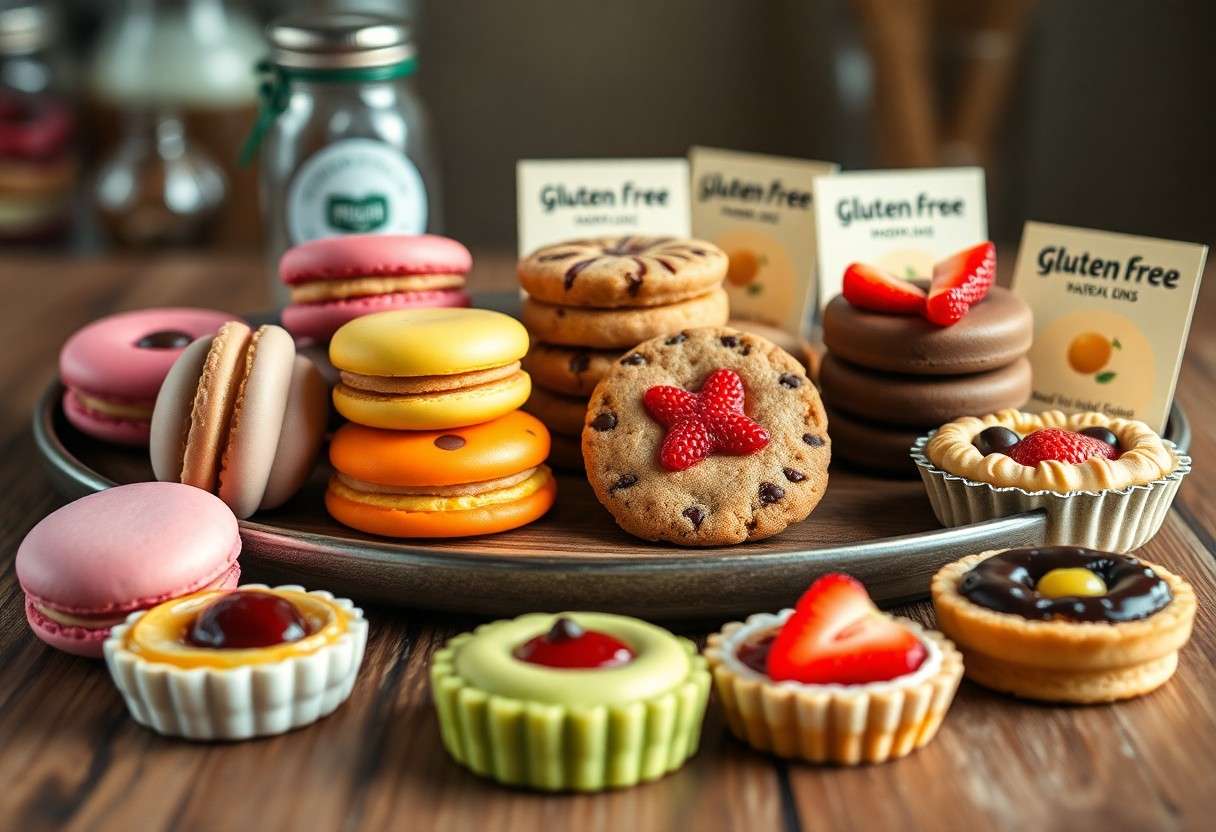
Gluten-Free Confectionery Options Cater to Celiac Disease and Sensitivity Concerns
Most individuals with celiac disease or gluten sensitivities face challenges in finding safe and enjoyable treats. As awareness has grown, a variety of gluten-f

This article contains Amazon affiliate links. As an Amazon Associate, CandiesAndSweets earns from qualifying purchases.
 Save
Save
Most individuals with celiac disease or gluten sensitivities face challenges in finding safe and enjoyable treats. As awareness has grown, a variety of gluten-free confectionery options have emerged to meet your dietary needs without sacrificing taste or quality. From chocolates to gummies, you can indulge in sweets specifically designed to be safe for your consumption. In this post, you will discover the best gluten-free confectionery choices available, empowering you to satisfy your cravings while maintaining your health.
Understanding Celiac Disease and Gluten Sensitivity
Defining Celiac Disease
Celiac disease is an autoimmune disorder that affects approximately 1 in 100 individuals globally. When you consume gluten, which is found in wheat, barley, and rye, your immune system mistakenly attacks the lining of the small intestine. This results in inflammation that damages the villi, the tiny finger-like projections where nutrient absorption occurs. As a consequence, you may experience a range of symptoms, from gastrointestinal disturbances like diarrhea and bloating to non-digestive issues such as anemia and fatigue.
Diagnosis typically involves blood tests to check for specific antibodies and a biopsy of the small intestine to assess damage. Following a strict gluten-free diet is crucial for managing celiac disease, as even small amounts of gluten can trigger symptoms and long-term health complications. Adhering to this lifestyle requires vigilance about food choices, emphasizing the importance of gluten-free certification on products you consume.
Recognizing Gluten Sensitivity
Gluten sensitivity, often referred to as non-celiac gluten sensitivity (NCGS), encompasses a range of symptoms similar to those of celiac disease but does not involve the autoimmune response or intestinal damage characteristic of celiac. You might experience symptoms such as bloating, abdominal discomfort, and fatigue after consuming gluten, yet standard blood tests for celiac disease return negative results. This condition can affect a significant number of individuals; estimates suggest that it could impact up to 6% of the population.
If you notice an improvement in symptoms upon eliminating gluten from your diet, this could indicate sensitivity. Unlike celiac disease, the physiological mechanisms remain less understood. You may benefit from a gluten-free diet, however, the necessity and extent of dietary changes should be discussed with a healthcare professional.
Identifying gluten sensitivity can often involve a process of elimination and trial and error. Many individuals begin by removing gluten from their diets for several weeks before reintroducing it to observe any change in symptoms. You may also find that sensitivity to gluten can coexist with other food intolerances, complicating the identification process. Keeping a detailed food diary can provide insight into dietary triggers, allowing for more personalized nutrition planning moving forward.
The Importance of Gluten-Free Confectionery
Health Risks Associated with Gluten
Gluten, a protein found in wheat, barley, and rye, poses significant health risks for individuals with celiac disease and gluten sensitivity. For those with celiac disease, ingestion of gluten triggers an immune response that damages the lining of the small intestine. This damage can lead to malabsorption of nutrients, resulting in a host of issues, including anemia, osteoporosis, and various gastrointestinal problems. Symptoms often extend beyond the digestive system, potentially affecting skin, joints, and mental health, demonstrating the pervasive impact gluten can have on overall wellbeing.
Even for those with non-celiac gluten sensitivity, consuming gluten can result in discomfort and adverse reactions such as bloating, fatigue, and headaches. While the exact mechanisms behind these reactions are less understood compared to celiac disease, the need for a gluten-free diet becomes paramount for maintaining quality of life and preventing chronic health issues. The variability of symptoms lays the groundwork for the increasing importance and availability of gluten-free options across various food industries, including confectionery.
The Rise in Demand for Gluten-Free Products
The demand for gluten-free products has surged significantly over the past decade, driven by a growing awareness of celiac disease and gluten sensitivity. Market data indicates that the gluten-free food market is expected to reach over $45 billion by 2025, showcasing an increasing inclination towards healthier dietary choices. The shift in consumer preference has prompted manufacturers to explore gluten-free alternatives, paving the way for a wider array of confectionery options.
Growing access to the gluten-free segment reflects not only a response to dietary needs but also an inclination towards wellness and clean eating. Retailers are increasingly stocking gluten-free snacks and sweets, recognizing that these products attract not just those who require a gluten-free diet, but also health-conscious consumers searching for low-allergen and healthier options. As brands innovate with gluten-free flour substitutes like almond, coconut, and chickpea flour, the candy aisle is transforming to cater to diverse dietary preferences while maintaining indulgent taste.
This evolution in consumer behavior is reshaping the confectionery landscape, with companies investing in research and development to keep pace with dietary trends. Establishing gluten-free certifications and transparency in ingredient sourcing is becoming common practice, allowing you to make informed choices about your confectionery selections. As gluten-free options continue to expand, you can indulge in sweets without compromising your health or dietary restrictions.
Types of Gluten-Free Confectionery
Exploring the landscape of gluten-free options reveals a diverse range of sweets. You can find confectionery tailored to specific dietary needs without sacrificing flavor or texture. Key categories include chocolates, candies, and baked goods that hold gluten-free certification, making it easier for those with celiac disease or gluten sensitivity to indulge safely.
| Type | Description |
|---|---|
| Chocolate | Rich and creamy varieties made from cocoa without gluten-based additives. |
| Candies | Sweets like gummies and hard candies, often labeled gluten-free. |
| Baked Goods | Breads, cookies, and cakes made from alternative flours. |
| Snacks | Gluten-free chips and snack bars designed for safe munching. |
| Miscellaneous | Other sweets like marshmallows and frostings that exclude gluten. |
Thou can explore a myriad of gluten-free confectionery options that not only cater to your health needs but also satisfy your sweet tooth.
Chocolate and Candies
Chocolates are often naturally gluten-free, but caution is necessary when selecting brands and flavors. Many manufacturers produce delicious varieties using pure cocoa solids, cocoa butter, and sugar, ensuring that no gluten-containing fillers are included. Dark chocolate, often a safer choice, typically contains fewer additives. You should always check product labels for gluten-related warnings or cross-contamination notes.
Candies, including hard candies and gummies, can also be made without gluten ingredients. Brands like Haribo and Skittles have gluten-free options, clearly marked for consumer safety. You might enjoy a treat without worrying about hidden gluten, making these candies popular in the gluten-free community. Always look for certified gluten-free labels to ensure that your choices are both sweet and safe.
Baked Goods and Snacks
Baked goods and snacks have seen substantial innovation in recent years, with a wider variety of gluten-free alternatives available. Using flours like almond, coconut, and rice, bakeries are crafting cookies, breads, and cakes that rival their gluten-containing counterparts. These products allow you to enjoy your favorites while maintaining your dietary restrictions. Look for local bakeries or brands specializing in gluten-free offerings to find fresh and tasty options.
Specialty stores and online retailers often carry a range of gluten-free snacks, including chips and bars made from wholesome ingredients. These snacks are designed to cater to your need for gluten-free options without compromising on taste or convenience. You may find energy bars or popcorn that not only satisfy hunger but also align with your dietary requirements.
Ingredients to Look for in Gluten-Free Candies
Safe Ingredients
When deciding on gluten-free candies, focus on ingredients that are inherently safe for your diet. Natural sweeteners such as cane sugar, honey, and maple syrup are excellent choices. Additionally, chocolate made from cocoa solids, cocoa butter, and sugar can often be gluten-free, provided no gluten-containing additives are included. Look for starches derived from safe sources like corn or tapioca, as these are commonly used as thickening agents without the risk of gluten contamination.
Other safe ingredients include organic fruit purees, gelatin (derived from animal products), and plant-based colors and flavors. These components not only assure you of a gluten-free label but also elevate the overall quality of the confection. Ingredients from reputable manufacturers with strict gluten-free protocols, such as gluten-free oats or almond flour, can further enhance your options while keeping your treats safe.
Ingredients to Avoid
Be vigilant about specific ingredients that could jeopardize your gluten-free choices. Wheat flour, barley, and rye are obvious offenders, but additives like malt, which is derived from barley, and certain modified food starches may also contain gluten. Always scrutinize ingredient lists for these hidden gluten sources, as they can often appear in candies as flavorings or thickeners.
Even candies labeled as gluten-free may still pose a risk if they include cross-contaminated ingredients. Items like licorice or gummy candies often utilize malt or wheat-based binders, which can effectively negate their gluten-free claim. Prioritize brands that conduct rigorous testing and provide clear labeling to ensure that no gluten sneaks into your sweet treats.
In addition to those already mentioned, flavorings can be deceiving. Certain artificial flavors and colorings may be derived from gluten-containing grains. Always check for certifications, and don’t hesitate to reach out to manufacturers if you have doubts about specific products. In the world of gluten-free confectionery, transparency and diligence are your best allies in maintaining a safe diet.
Popular Brands and Products
Established Gluten-Free Confectionery Brands
Several established brands have earned a reputation for providing delicious gluten-free sweets that cater to dietary restrictions. Enjoy Life Foods, for example, specializes in allergen-free snacks, offering a wide range of gluten-free chocolate bars and cookies that are made with wholesome ingredients. Another leading name, Boom Chicka Pop, presents a variety of popped snacks that are gluten-free and made without artificial ingredients, perfect for those wanting a crunchy treat. These brands frequently emphasize transparency, with dedicated gluten-free facilities ensuring their products are safe for individuals with celiac disease or gluten sensitivity.
Trade expectations are high for gluten-free options, and established companies like Alter Eco have responded by developing exquisite fair-trade chocolate that checks all the boxes: gluten-free, organic, and ethically sourced. By forming partnerships with non-profits that aid the gluten-free community, these brands further solidify their commitment to consumer safety and satisfaction, ultimately fostering trust among their customer base.
Novelty and Artisan Gluten-Free Options
The rise of the gluten-free market has also encouraged the emergence of novelty and artisan treats that provide a gourmet experience. Small businesses and local makers are crafting unique confectioneries such as gluten-free macarons, gourmet caramels, and artisanal chocolate truffles, appealing to niche markets with special dietary needs. These products often feature high-quality, organic ingredients and innovative flavor profiles, allowing you to enjoy something truly special without concerns about gluten content.
Artisan gluten-free options can elevate your snacking experience through a diverse array of flavors and textures not often found in mass-produced sweets. Brands like Sweet Reason create elevated, gluten-free chocolate bars infused with adaptogens, blending health benefits with indulgence. Specialty shops also offer seasonal items that highlight local ingredients, making these treats not only a safe choice but also a celebration of flavor and creativity.
Tips for Choosing Gluten-Free Treats
Identifying safe gluten-free treats requires a keen eye and some basic knowledge. Start by looking for products specifically labeled as gluten-free, which should adhere to the FDA’s standards of containing less than 20 parts per million of gluten. Your first step in selecting gluten-free treats should include these tips:
- Choose products that are certified gluten-free.
- Examine ingredient lists for hidden sources of gluten, such as malt and wheat derivatives.
- Look for natural sweeteners and clean labels that indicate whole ingredients.
After confirming a product’s gluten-free certification, ensure its ingredients align with your dietary needs.
Reading Labels and Certifications
Reading product labels is vital for identifying gluten-free options. The ingredient list should clearly indicate all components, allowing you to spot potential gluten sources. Look for certifications from recognized bodies, such as the Gluten-Free Certification Organization, which provides an extra layer of assurance regarding the absence of gluten. Familiarity with common gluten-containing ingredients enhances your ability to make informed choices quickly.
Some manufacturers may use “gluten-free” as a marketing term without proper certification. Evaluating third-party certifications before purchasing reinforces your confidence. Always consider the credibility of the brands and check online resources or community reviews for feedback regarding their gluten-free practices.
Awareness of Cross-Contamination
Cross-contamination is a significant concern for those with celiac disease or gluten sensitivity. Even a trace amount of gluten can trigger symptoms and health complications. Take care when choosing treats from bulk bins or bakeries where gluten-containing products might share the same equipment or preparation area. If you frequent a particular store or café, it’s wise to ask staff about their procedures for ensuring gluten-free treats remain uncontaminated.
Being vigilant about cross-contamination extends to home preparation as well. Use separate utensils, cutting boards, and storage containers for gluten-free ingredients. Establishing a dedicated gluten-free zone in your kitchen minimizes the risk of accidental exposure. This proactive approach contributes significantly to maintaining your health and enjoying safe indulgence in gluten-free confectionery.
Conclusion
Taking this into account, you can confidently explore the variety of gluten-free confectionery options available to cater to your dietary needs, especially if you have celiac disease or gluten sensitivity. The growing range of gluten-free candies allows you to indulge your sweet tooth without compromising your health. By seeking out reliable sources, such as the Gluten-Free Candy List, you can ensure that your choices are safe and enjoyable.
Your awareness of gluten-free options opens up a world of flavorful treats that accommodate your dietary restrictions. Embracing gluten-free confectionery not only supports your health but also enhances your overall experience of enjoying sweets. With careful selection and informed choices, you can indulge in delicious confections that cater to your specific needs, making every celebration or treat a joyful occasion.