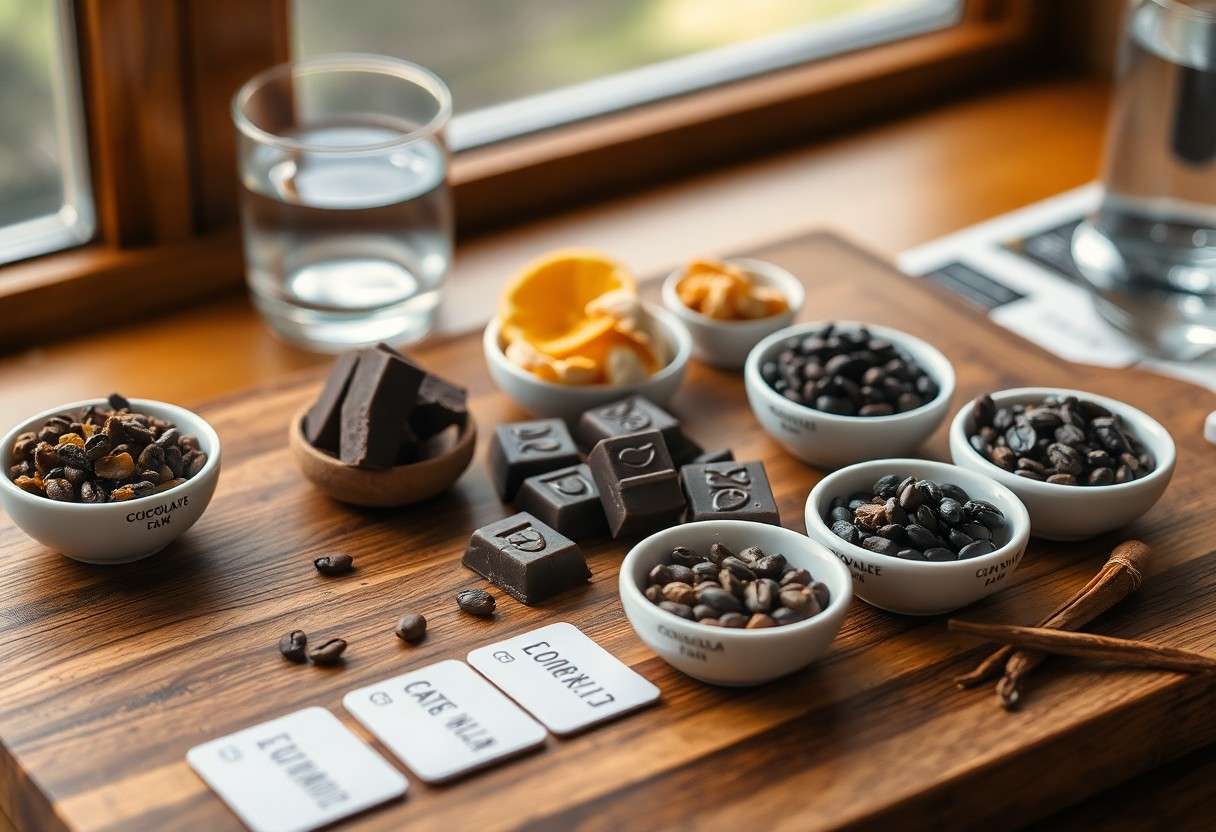
Guide to Single Origin Artisanal Chocolate
You spot single origin bars, savor complex flavors, and respect the high cocoa kick that can wallop you-quick, witty tips on tasting, sourcing, and enjoying art

This article contains Amazon affiliate links. As an Amazon Associate, CandiesAndSweets earns from qualifying purchases.
 Save
Save
Part of our Single-Origin & Artisanal Chocolate guide.
You spot single origin bars, savor complex flavors, and respect the high cocoa kick that can wallop you-quick, witty tips on tasting, sourcing, and enjoying artisanal chocolate.
Nature vs. Nurture: The Flavor Factors
Tastes shift between bean lots; you spot single origin signatures-bright citrus, floral highs, or deep, earthy bass-because farmer choices and microclimate bend the bean’s personality. Those subtleties show where terroir meets skilled processing.
- Genetics: cacao variety
- Soil & Sun: microclimate influence
- Fermentation: microbial choreography
- Roast: flavor shaping
You learn to read which notes came from the land and which were coaxed by the maker; careful hands produce layered complexity, while negligence yields glaring off-flavors.
Soil, Sun, and Secret Sauce
Sunlight and soil chemistry leave fingerprints on beans; you taste higher acids from sun-drenched slopes and minerality from volcanic loam. Small shifts in shade, drainage or compost alter sugar buildup and the final flavor.
The Fermentation Finesse
Fermentation turns sticky pulp into a palette of aromas as yeasts and bacteria work; you manage time and temperature to coax esters and tame acidity. Poor control invites mold or rot, while tidy ferments reveal bright fruit and floral notes.
Microbes do the heavy lifting during those sweaty days; you tweak turning, aeration and duration while tasting daily to track progress. Perceiving subtle ester profiles trains you to distinguish careful craft from sloppy batch mistakes.
Knowing Your Beans: The Trendy Types
This quick guide points you toward the chic bean line-up where single origin choices show off terroir; you’ll notice Criollo as rare and delicate while Forastero brings sturdy cocoa punch.
Expect tasting shifts from floral to smoky as you sample bars; you can chase artisanal nuance or pick bold, classic profiles depending on how adventurous you feel.
| Criollo | Rare, delicate, floral and fruity |
| Forastero | Widespread, sturdy, earthy and bittersweet |
| Trinitario | Hybrid, balanced, spice and complexity |
| Flavor | Ranges from floral to intense-match to your palate |
| Farming | Shade, altitude and processing shape the final bar |
- Criollo
- Forastero
- Trinitario
Criollo: The Crown Jewel
Criollo seduces you with floral aromatics and bright fruit; you’ll value its rare status and delicate mouthfeel, though it’s more vulnerable on the farm.
Forastero and Trinitario: The Dynamic Duo
Forastero gives you reliable, bold cocoa backbone ideal for dark, punchy bars and blends that need strength. You might also enjoy our guide on From Bean To Bar – The Journey Of Artisan Chocolate Making.
Trinitario offers you a playful middle ground, marrying spice and subtlety so your palate gets complexity without being overwhelmed. You might also enjoy our guide on DIY Artisan Candies – Simple Recipes To Create Gourmet Treats At Home.
Any tasting tip: try a pure Forastero bite then a Trinitario square to feel how structure and nuance trade places, and watch for intense bitterness that might dominate if the bar leans too heavily on Forastero.
How to Not Look Clueless: A Step-by-Step Tasting
Quick Steps
| Step | What to do |
|---|---|
| Snap | Break a bar and listen for a clean, sharp crack. |
| Smell | Warm a piece and inhale to pick up primary aromas. |
| Savor | Let it melt, note sequence and finish. |
You fake expertise by mastering three simple moves-snap, smell, savor-and using plain descriptors so you don’t sound pretentious. A crisp snap signals good tempering; a dull, crumbly break often means poor storage or bad temper.
Trust your nose: a rancid or acrid scent is a definite warning, while bright fruity or floral aromas usually indicate careful fermentation and quality beans.
The Snap, Smell, and Savor
Listen for that satisfying crack to confirm temper; warm a sliver between fingers and breathe in deeply. An off or soapy smell is a red flag, whereas a clean cocoa aroma is a green one you can praise.
Identifying the “Notes” (Without Making Them Up)
Break a piece and let it melt slowly so flavors unfold; focus on immediate hits and the lingering finish. Use clear anchors like citrus, berry, nut or caramel to stay honest instead of inventing fanciful terms.
Notice texture and aftertaste-bitterness can be pleasant, but a burnt or overly astringent finish often points to a poor roast or age-related decline.
Try comparing what you taste to everyday foods and state intensity (light, medium, strong) so your notes read as confident, specific, and believable.
The Bittersweet Truth: Pros and Cons
Pros and Cons at a Glance
| Pros | Cons |
|---|---|
| Clearer terroir-driven flavors | Higher price per bar |
| Distinct, memorable tasting notes | Limited availability and small batches |
| Traceable sourcing builds trust | Less blending can expose flaws |
| Supports small growers and artisans | Inconsistent flavor between harvests |
| Often higher antioxidant content | More intense bitterness-less kid-friendly |
| Collectible and educational | Risk of mislabeling or counterfeit |
Why Your Palate Will Thank You
Taste explosions become your new normal when single-origin craft chocolate highlights nuanced fruit, floral, and spice notes unique to a single region, so you learn to pick out subtle differences like a pro. You will savor bars that reward slow tasting and curiosity, turning each bite into a mini tasting course.
Why Your Wallet Might Cry
Price tags often reflect small-batch production, fair pay for farmers, and careful bean-to-bar craft, so you’ll pay more for authenticity and quality. You might find your chocolate habit shifts from casual to considered purchasing, especially for rare vintage-like releases.
Still, shipping, import fees, and limited runs can push a single bar well beyond impulse-buy territory, and you may encounter price shock for truly exceptional or scarce origins-so budget accordingly if you crave exploration over quantity.
Insider Intel: Pro Tips for the Aspiring Connoisseur
Ready to sharpen your single origin tasting skills? You sniff, snap and savor: aroma reveals fermentation, a clean snap signals proper temper, and a slow melt exposes layered notes. Treat the artisanal chocolate label as a hint, not a promise; fake single origin claims exist and high cocoa bars can overwhelm you.
- Smell: inhale deeply to find fruit or floral notes
- Snap: a crisp break means good temper
- Melt: let it linger to map flavor stages
This trains you faster than random sampling and keeps your palate honest.
Decoding the Label Lingo
Spot provenance details: country, region and bean variety tell the backstory. You scan roast date and percentage rather than buying into vague “craft” hype, since deceptive labels can sneak past casual buyers. Tasting notes guide you, but let your palate decide.
Pairing Like a Professional
Pair bright, fruity single origin bars with acidic wines or jasmine tea to amplify fruit notes; creamy cheeses soften bitter edges. You avoid oily or heavily spiced dishes that will drown delicate artisanal chocolate aromas and focus on contrasts in texture.
Experiment by tasting light to dark, sip water between samples, and mind temperature-warmth unlocks new layers while alcohol can numb; use small bites to compare combos without exhausting your palate.
Final Words
On the whole you come away with a smug grin and a lighter wallet, having tasted terroir more faithfully than a passport stamp. Single origin artisanal chocolate teaches you to listen to cacao stories, to savor floral notes, citrus sparks, and the odd whisper of coffee, and to buy less junk and more intentional bars that make your taste buds applaud. You might also enjoy our guide on The Allure of Coconut-Filled Chocolates.