Do Truffles Have Better Chocolate Flavor?
Origins and Legends The story of the chocolate truffle is an ode to the serendipity of culinary mistakes. Born in the sophisticated kitchens of France, its ince

This article contains Amazon affiliate links. As an Amazon Associate, CandiesAndSweets earns from qualifying purchases.
 Save
Save
Origins and Legends
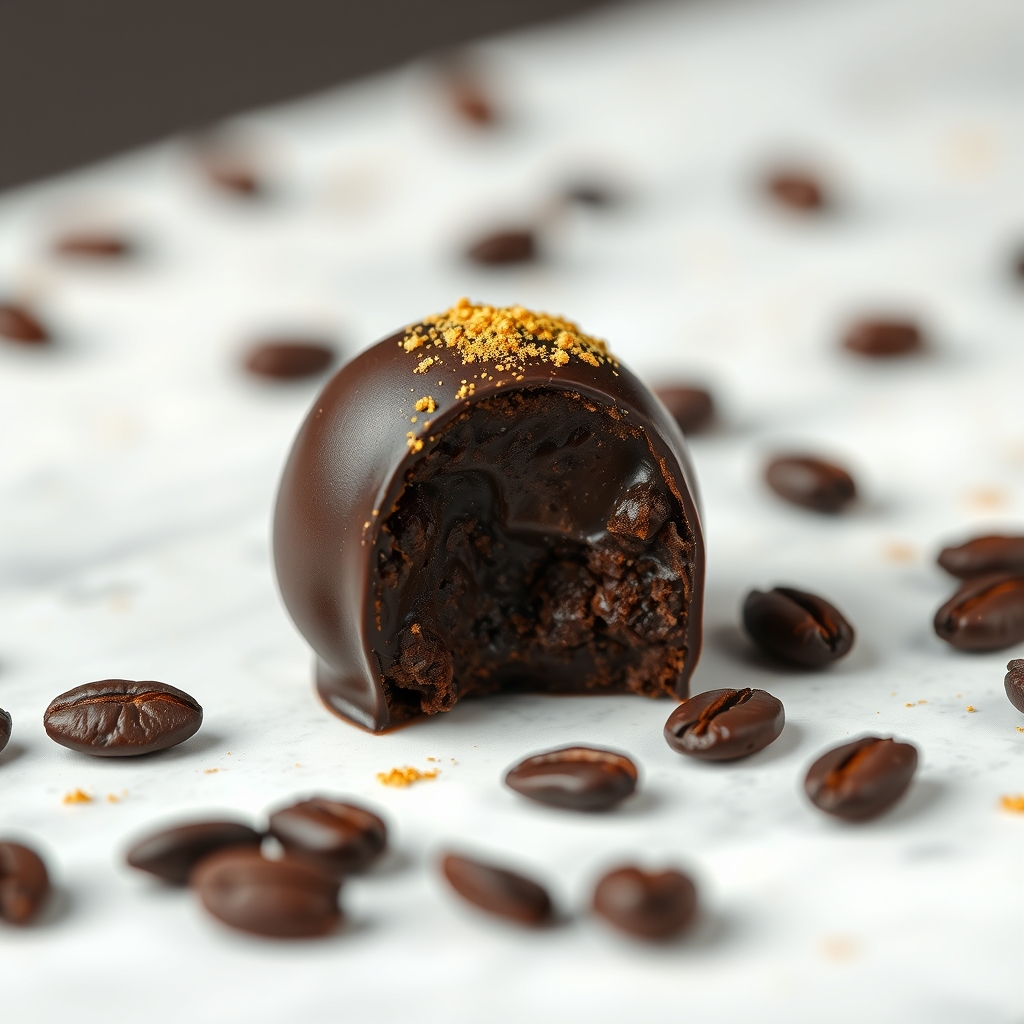
The story of the chocolate truffle is an ode to the serendipity of culinary mistakes. Born in the sophisticated kitchens of France, its inception is often credited to Auguste Escoffier, a titan in the culinary world. During the early 1920s, when hot cream met chunks of chocolate by accident, instead of discarding the resultant blend, the ingenious chefs crafted what we now know as ganache. When shaped and dusted, this ganache bore a remarkable resemblance to the truffle fungus, a rare and treasured delicacy. And so, in honor of this similarity, the chocolate truffle was christened.
Chocolate candies, on the other hand, have a heritage steeped in ancient cultures. With roots tracing back to the Mesoamerican civilizations, chocolate was once a bitter beverage consumed by the elite. As it traversed continents and eras, it evolved, embraced sugar, milk, and countless other ingredients, culminating in the vast array of candies we relish today.
The Making Process
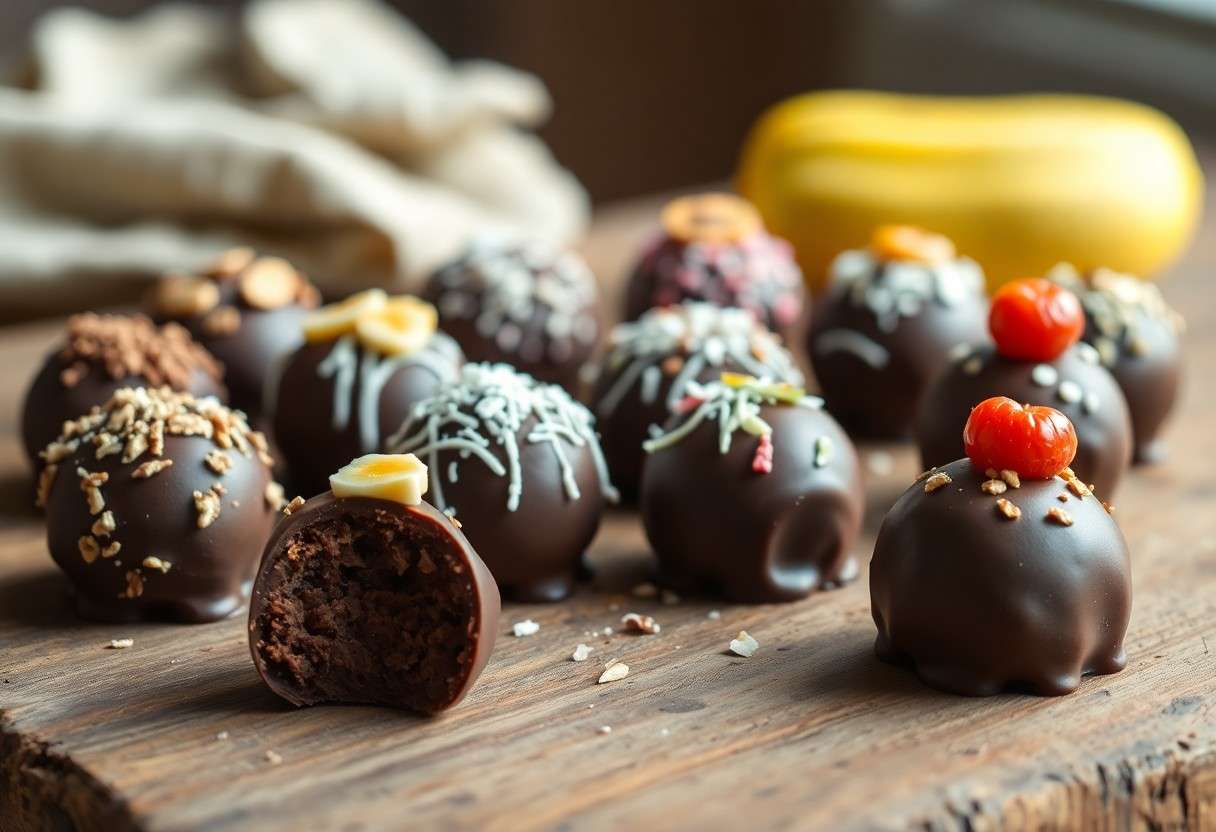
Crafting a chocolate truffle is akin to painting a masterpiece. Central to the truffle is its soul, the ganache. This blend of high-quality chocolate, rich cream, and often a touch of butter creates a base that’s a playground for flavors. From the smoky notes of whiskey to the aromatic hints of lavender, ganache can be a canvas for myriad flavors. After setting, it’s an artisan’s touch that shapes, coats, and perfects this creation, often adorning it with cocoa, nuts, or a delicate chocolate shell.
Chocolate candies, however, are a universe in themselves. The journey starts with selecting beans, roasting them to perfection, and grinding them into a smooth liquor. Depending on the desired product, this liquor undergoes several processes, with additions like milk, sugar, or even fruits. Molding, cooling, and setting stages follow, producing candies that range from the simple joys of a solid chocolate bar to the intricate delights of filled or patterned chocolates.
Texture and Taste
Truffles, with their layers, offer a multisensory experience. The first bite might be a light resistance from a tempered chocolate shell or the soft dust of cocoa powder. What follows is the heart of the truffle: a luxurious, velvety melt that coats the palate, each flavor note singing its own tune.
Chocolate candies are like a symphony with varying movements. Some start with a bold snap, leading to a silky melt. Others surprise with fillings, bursting with caramel rivers or nutty crunches. The flavors can range from the profound depths of dark chocolate to the sweet, creamy notes of milk chocolate or the nuanced profile of the often-misunderstood white chocolate.
Use and Occasions
Truffles are synonymous with opulence. They’re the stars of gourmet gift baskets, the pièce de résistance of dessert tables, and the preferred treat for a quiet, indulgent evening. With their rich textures and flavors, they’re not just treats but experiences, often paired with wines, whiskies, or quiet moments.
Chocolate candies are the versatile heroes of the chocolate world. They fit into lunch boxes, grace festive occasions, and offer comfort during those mid-day slumps. Their range ensures there’s a chocolate candy for every mood, moment, and milestone.
Chocolate, in all its forms, is a storyteller. The luxurious truffles narrate tales of culinary accidents turned masterpieces, of quiet evenings and rich indulgences. Chocolate candies, with their vast array, speak of ancient traditions, evolving tastes, and universal love. So, the next time you savor a piece, close your eyes and listen to its story, celebrating the journey as much as the taste.
Chocolate Truffles vs. Regular Chocolate Candies: Understanding the Key Differences
Chocolate truffles and regular chocolate candies may both satisfy your sweet tooth, but they represent distinctly different approaches to chocolate confectionery. Understanding their differences reveals the artistry and craftsmanship behind each type of chocolate creation.
What Makes Chocolate Truffles Unique
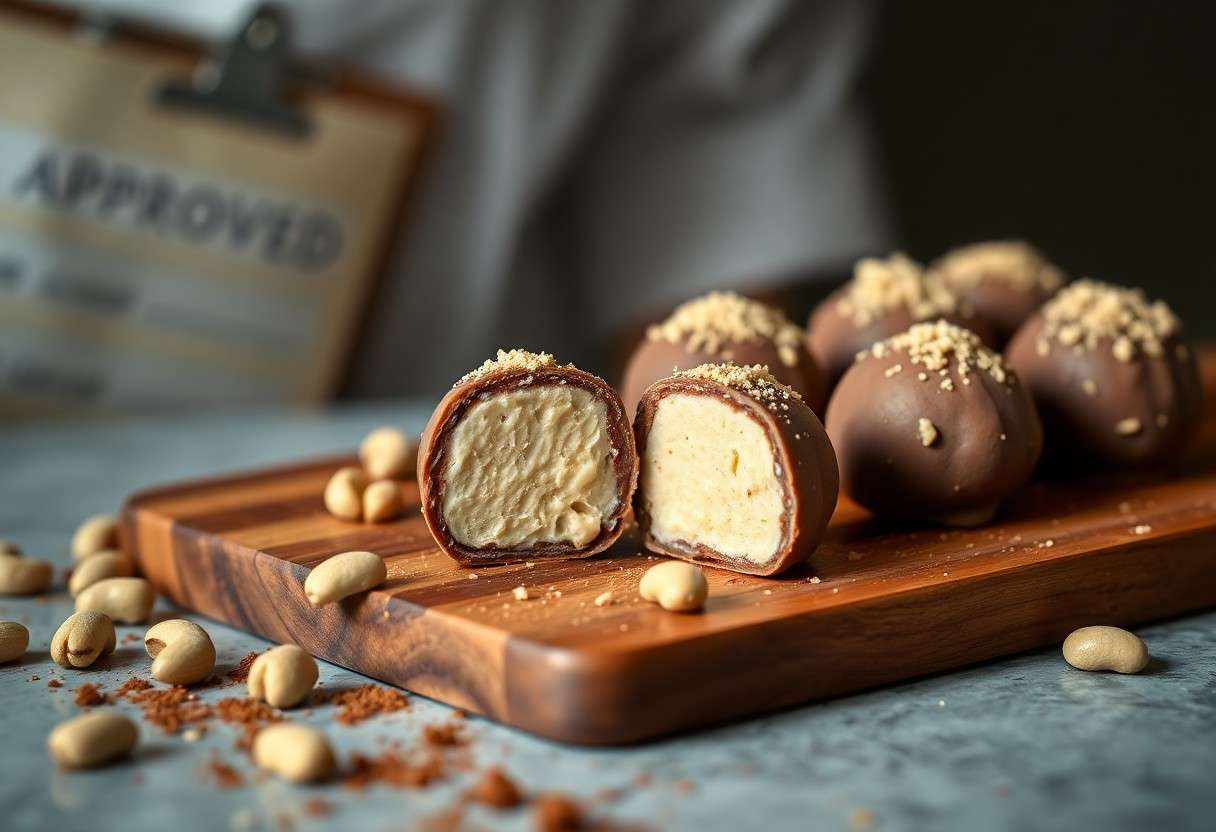
Chocolate truffles are fundamentally different from regular chocolate candies due to their composition and construction. At their core, truffles consist of ganache—a rich mixture of chocolate and heavy cream that creates their signature smooth, melt-in-your-mouth texture. This ganache filling is what sets truffles apart from all other chocolate confections.
The traditional truffle-making process involves heating heavy cream and pouring it over finely chopped chocolate, creating a velvety emulsion. Many chocolatiers also add butter to enhance the creaminess and vanilla extract for additional flavor depth. After the ganache sets in the refrigerator for several hours, it’s rolled into irregular, ball-like shapes and typically dusted with cocoa powder or dipped in tempered chocolate.
True chocolate truffles must contain ganache as their center. If the center contains anything else—such as nougat, buttercream, caramel, or fruit fillings—the confection becomes a bonbon or filled chocolate candy, not a truffle.
Regular Chocolate Candies: A World of Variety
Regular chocolate candies encompass a vast category of confections that can contain numerous types of fillings and preparations. Unlike truffles, these candies can feature:
- Caramel centers made from cooked sugar that develops a golden-brown color and chewy texture
- Nougat fillings created from cooked sugar syrup, honey, and egg whites, often mixed with nuts
- Cream fillings including buttercream, fondant cream, and whipped cream varieties
- Fruit-based centers such as jellies, purées, and cordials with liquid centers
- Nut-based fillings like marzipan made from ground almonds and sugar
These candies are typically constructed by first creating the filling, then coating it with chocolate, rather than starting with chocolate as the primary component.
Key Structural Differences
Composition and Ingredients
Truffles change the fundamental composition of chocolate by melding it with heavy cream. This creates a product where chocolate remains the star ingredient, enhanced rather than masked by other components. The basic truffle requires only chocolate, cream, and sometimes butter—a remarkably simple ingredient list.
Regular chocolate candies often prioritize the filling over the chocolate coating. The chocolate shell serves primarily as a vehicle for delivering diverse flavors and textures, from the crunch of pralines to the chewiness of caramels.
Texture and Mouthfeel
The texture differences between truffles and regular candies are immediately noticeable. Truffles offer a consistently smooth, creamy experience. The ganache provides what chocolatiers describe as a “melt-in-your-mouth” quality that’s uniform throughout the confection.
Regular chocolate candies provide varied textural experiences. A bonbon might offer the contrast of a crisp chocolate shell giving way to a chewy caramel center, while a nougat-filled candy combines creaminess with the crunch of embedded nuts.
Shape and Appearance
Truffles are traditionally round and irregular in shape, mimicking the appearance of the prized truffle mushrooms for which they’re named. They’re typically dusted with cocoa powder, giving them an earthy, rustic appearance that enhances their resemblance to the fungal delicacy.
Regular chocolate candies come in numerous shapes and sizes—ovals, squares, rectangles, and even intricate molded designs. Their chocolate shells are usually smooth and polished, often decorated with patterns or identifying marks that hint at their internal contents.
Manufacturing and Artisanal Differences
The production methods for these chocolate types reflect their different philosophies. Truffle-making focuses on the quality of the ganache. Chocolatiers must carefully control the temperature of both the chocolate and cream to achieve the proper emulsion, and the mixture requires precise chilling times to reach the ideal consistency for shaping.
Regular chocolate candy production emphasizes the filling preparation. Whether cooking caramel to the proper temperature, whipping nougat to the correct consistency, or preparing fruit purées, the complexity lies in mastering multiple confectionery techniques beyond chocolate work.
Flavor Profile Distinctions
Truffles deliver intense chocolate flavor because chocolate remains the primary component even when mixed with cream. Additional flavors—such as liqueurs, coffee, or spices—typically enhance rather than compete with the chocolate base.
Regular chocolate candies often feature the filling as the dominant flavor. The chocolate coating, while important, serves to complement flavors like vanilla buttercream, fruit jellies, or nutty pralines rather than leading the taste experience.
Storage and Shelf Life Considerations
Due to their cream content, truffles typically have shorter shelf lives than many regular chocolate candies. Swiss-style truffles, which contain the highest cream content, have particularly brief storage periods. Most homemade truffles should be consumed within 3-4 days at room temperature or up to two weeks when refrigerated.
Regular chocolate candies often have longer shelf lives because their fillings may contain preservatives or have lower moisture content than ganache. However, this varies significantly depending on the specific filling type.
Understanding these differences helps chocolate enthusiasts appreciate the distinct craftsmanship behind each type of confection. Whether you prefer the pure, creamy indulgence of a truffle or the surprise and variety of regular chocolate candies, both represent unique expressions of the chocolatier’s art.
- How Do Expert Chocolatiers Choose Divine Cacao Types?
- How are chocolate candies crafted with precision?
- Why Artisanal Chocolates Are Worth the Investment