How Candy Became Part of Recovery Programs
It's fascinating to consider how something as simple as candy has found its way into recovery programs. You might be surprised to learn that the sweet treat pla

This article contains Amazon affiliate links. As an Amazon Associate, CandiesAndSweets earns from qualifying purchases.
 Save
Save
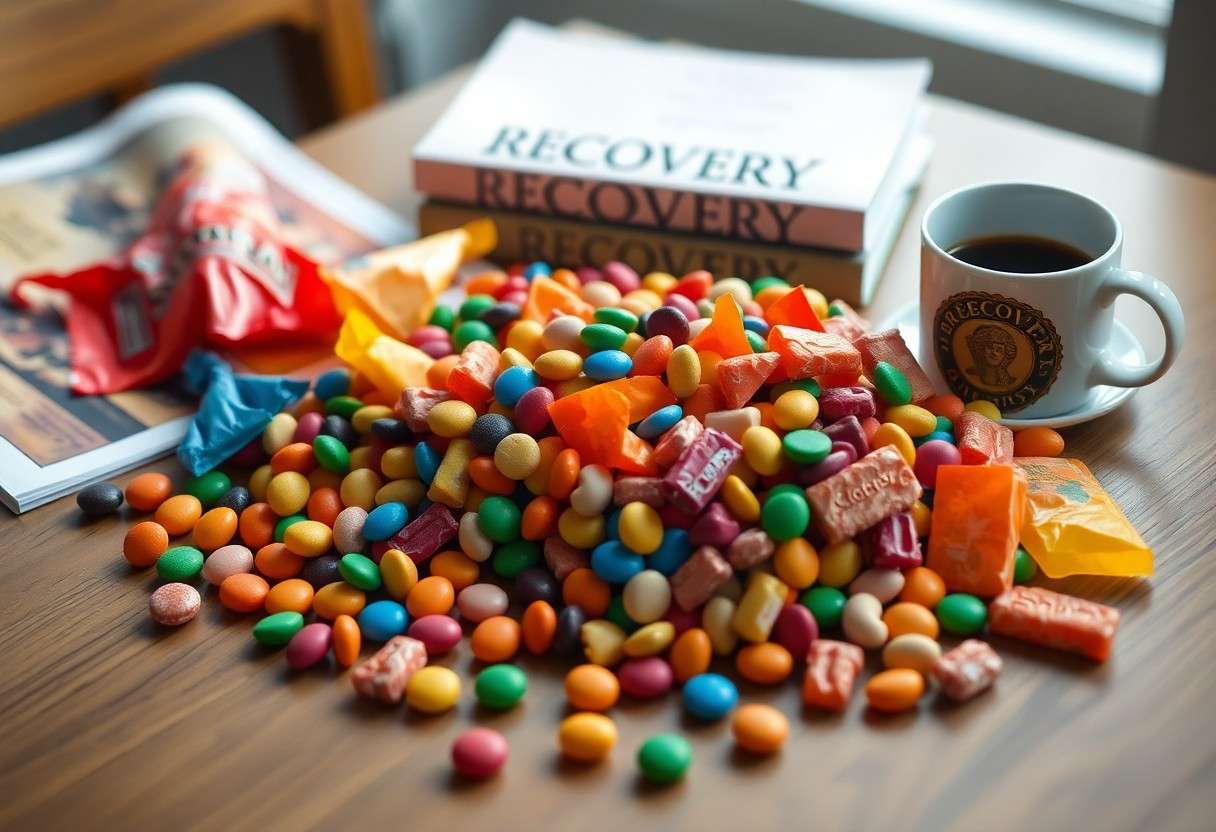
It’s fascinating to consider how something as simple as candy has found its way into recovery programs. You might be surprised to learn that the sweet treat plays a significant role in aiding your emotional and psychological healing. This blog post will explore the reasons behind this unusual choice, including its ability to provide comfort, reward progress, and foster a sense of community among participants. By understanding the role that candy can play in recovery, you can better appreciate how such small pleasures can make a meaningful impact on your journey to wellness.
The Historical Context of Candy in Recovery Programs
The Evolution of Recovery Practices
Recovery practices have transformed significantly over the decades, adapting to the understanding of addiction and behavioral health. In the early to mid-20th century, treatment often leaned heavily on a punitive model, minimizing the idea of positive reinforcement. However, as therapeutic approaches evolved, there was a shift toward more compassionate care. You might find it interesting that techniques began to include behavioral therapies that emphasized rewards for progress. This led to using simpler, everyday items—like candy—as a way to encourage positive outcomes. Over time, the incorporation of incentives became a staple in addiction treatment, allowing individuals to develop healthier habits while enjoying small pleasures along the way.
By blending traditional recovery methods with contemporary behavioral science, your knowledge of recovery practices is enriched. Today, programs often draw on cognitive behavioral therapy principles, which support the idea that positive reinforcement can change behaviors. As these programs understand the value of small rewards in maintaining motivation, candy offers a simple yet effective tool within therapeutic settings. This evolution reflects a broader trend in healthcare towards more holistic methods that appreciate the psychological benefits of enjoyment and pleasure during recovery.
Early Uses of Candy as a Reward Mechanism
In the initial stages of implementing reward-based recovery practices, candy was often viewed as an ideal incentive due to its immediate gratification appeal. Early on, treatment centers began using candy to reward positive behaviors, such as attending group meetings or successfully completing a phase of the program. This approach tapped into the brain’s reward pathways, offering a tangible and pleasurable experience that signified achievement. You may find it fascinating that even something as straightforward as a lollipop could spark motivation and provide an vital boost during challenging moments in recovery.
The utilization of candy can be traced back to the mid-20th century when psychologists started recognizing the role of positive reinforcement in behavior modification. By offering candy, programs could instantly recognize and applaud a participant’s efforts, creating a more engaging environment. For individuals grappling with the stresses of recovery, such small rewards can play a significant role in sustaining motivation and reducing the overall sense of deprivation associated with their journey. This method illustrates how the simplest of treats can become a powerful tool in fostering resilience and commitment in recovery.
The Psychological Benefits of Candy in Recovery
Sweet Treats: How Candy Boosts Mood
Candy’s impact on mood can be traced back to its very composition. Sugar triggers the release of dopamine, a neurotransmitter associated with pleasure, reinforcing feelings of happiness and satisfaction. When you’re navigating the challenges of recovery, including stress and anxiety, indulging in a sweet treat can provide a momentary uplift. Studies indicate that even a small piece of candy can evoke positive emotions and reduce perceived stress levels, helping to combat the emotional lows that often accompany recovery journeys.
The fact that candy is often associated with joy and celebration only enhances its mood-boosting properties. Think about the last time you enjoyed candy; chances are it was during a moment of happiness, perhaps shared with friends at a celebration or a holiday gathering. This emotional connection frames candy as not just a treat but also a source of comfort, allowing you to draw on positive experiences while in recovery and reinforcing a sense of well-being.
The Role of Reward Systems in Behavioral Change
Incorporating candy into recovery programs aligns perfectly with established reward systems. When you set and achieve small goals—whether that’s attending a meeting, staying clean for a week, or even just recognizing your progress—treating yourself with candy can serve as a tangible reward. This positive reinforcement strengthens your motivation and commitment to the recovery process. Behavioral studies reveal that reward systems enhance engagement and compliance—a critical factor when making lasting changes.
Understanding that cravings for rewards are hardwired into human behavior can help you appreciate the role of candy in recovery. The dopamine release associated with sweet treats can effectively counterbalance the often overwhelming nature of recovery, making it more manageable. By consciously integrating candy as a reward for your milestones, you forge a healthier association with the recovery process itself, reinforcing not only your achievements but also fostering a more positive outlook on long-term wellness.
Candy as a Tool for Building Community
Shared Experiences: Bonding Over Sweets
Sharing candy can create a sense of unity among individuals in recovery, breaking down barriers and fostering connections. This simple act allows you to participate in shared experiences that can lead to meaningful conversations and deeper relationships. Group members often recall memories associated with particular candies, whether it’s a childhood favorite or a treat linked to a significant life event. Such discussions can evoke nostalgia and trigger a sense of belonging, providing an inviting atmosphere where you can feel accepted and understood.
The act of distributing candy during meetings or group sessions also encourages acts of kindness and generosity. When one person shares their favorite sweet, it often leads to others doing the same, creating a domino effect that draws everyone into the circle. These moments form the foundation of a supportive community, where individuals can lean on one another as they navigate their recovery journeys together.
The Power of Treats in Group Settings
Utilizing candy in group settings can be a transformative experience, as it offers a tangible incentive for engagement. Bringing treats into your recovery meetings can lift the mood, making the environment more relaxed and open. Participants may be more inclined to share stories, provide support, and find joy in small victories when there is something sweet to celebrate together. As bonds strengthen, you may find that the conversations deepen and progress towards healing becomes more achievable.
In many treatment programs, the ritual of enjoying candy collectively has been implemented successfully. Consider a group session that begins with everyone sharing their favorite candy and a story tied to it. This small but impactful tradition can transform an ordinary gathering into an opportunity for connection. Statistics indicate that treatment programs that foster a sense of community yield significantly higher success rates, with one study revealing a 25% increase in positive outcomes when social support systems are prioritized.
Criticisms and Controversies Surrounding Candy in Recovery
Potential Pitfalls: Sugar Addiction vs. Recovery Achievements
The reliance on candy as a reward for achieving milestones in recovery can spark a debate about the potential for developing a sugar addiction. While treating yourself to sweets can feel like a harmless way to celebrate progress, the constant consumption of sugary treats might lead to cravings that resemble the very habits you’re working to overwrite. For some individuals, the line between moderation and excess can blur, causing a cycle of sugar dependency that mirrors the patterns they sought recovery from in the first place. This reveals an inherent tension in using candy as a motivational tool – it can easily shift from a celebratory gesture to a troublesome crutch.
Your journey is about cultivating healthier habits, and as sweet as candy may be, its effects on the body’s chemistry can be counterproductive. The brain’s response to sugar can trigger the same reward pathways activated by more harmful substances, leading to concerns that introverting sugar into recovery strategies may stall genuine rehabilitation. Individuals may find themselves battling dual cravings – for their drug of choice and for sugar – which could impede their progress in other vital areas of healing.
Differing Opinions: Health Advocates vs. Program Leaders
The use of candy in recovery programs often leads to sharp divisions between health advocates and program leaders. While many advocates stress the need for holistic approaches to recovery, emphasizing the importance of nutrition and overall wellness, some program leaders see the immediate psychological benefits of indulging in treats as vital tools for motivation. This dichotomy raises questions about the role of abstaining from all forms of vice, including sugar, in pursuit of long-term recovery versus the need for accessible and relatable reward systems.
Health advocates typically argue that promoting candy in recovery settings sends the wrong message about indulgence and self-control. They emphasize that any addiction, even those less harmful than substances, can still alter brain chemistry and behaviors. On the other hand, program leaders often highlight candy’s role in fostering community and providing an immediate reward for the hard work being done. They maintain that the tangible rewards can motivate participants in ways that stricter dietary limitations cannot. This debate lays bare the complexities of managing recovery: how do you balance the immediacy of motivation against the long-term health goals vital for lasting change?
Practical Strategies for Integrating Candy in Recovery Programs
Balancing Indulgence with Nutritional Considerations
Choosing candy as a part of recovery programs requires a thoughtful approach to ensure that indulgence does not lead to further health complications. You might consider incorporating candies that offer some nutritional benefits, such as dark chocolate, which can be rich in antioxidants. This choice allows for a satisfying treat while providing you with additional health perks. Look for options that contain natural ingredients and fewer processed sugars to better align with a balanced diet. Understanding portion control is also key; enjoying a small quantity can provide the mental boost you may seek while keeping nutritional integrity intact.
Additionally, many recovery programs have begun to emphasize mindfulness in eating. As you enjoy your candy, take the time to savor each bite. This practice can diminish the risk of overindulgence and reinforce a more positive relationship with food. Not only can this help you enjoy your treat guilt-free, but it can also enhance your connection to the act of nourishing your body, fundamentally supporting your recovery journey.
Creative Alternatives to Traditional Candies
Exploring alternatives to traditional candies opens up a range of options that sustain the enjoyability of treats without compromising on health values. Consider using fruit-based alternatives, such as freeze-dried fruits or fruit leather, which can satisfy your sweet tooth while delivering vital vitamins and fiber. These alternatives not only maintain the element of sweetness but also support your overall nutritional needs. You might also experiment with homemade energy balls made from oats, nut butters, and natural sweeteners to create a satisfying snack that feels indulgent yet nourishing.
A vast world of innovative candy substitutes exists today, with many brands dedicated to crafting sweets that accommodate various dietary needs. Products made with alternative sweeteners like stevia or monk fruit can significantly reduce the calorie content while still offering a sweet flavor. You could even explore the artistry of creating your own treats using cacao powder and natural ingredients, which not only allows for customization of flavors but also ensures quality control over what you’re consuming. This experimentation might lead you to discover new favorites that fully support your wellness goals.
Engaging with creative candy alternatives can be a fun and fulfilling experience during your recovery journey. By leaning into the world of baking or no-bake recipes, you can craft treats that fit your tastes while aligning with your health aspirations. For instance, experimenting with yogurt-covered nuts or homemade granola bars provides versatility that traditional candies often lack. This enjoyment can be a vital tool in making recovery feel less limiting and more like an exploration of delicious possibilities.
Conclusion
From above, it is evident that the inclusion of candy in recovery programs serves as more than just a sweet treat. Your understanding of how its role has evolved reveals the psychological benefits it offers. As you engage with candy during recovery, you experience a boost in mood and a sense of reward, reinforcing positive behaviors. This simple yet effective method enhances the overall environment of support and encouragement, making it easier for you to navigate the challenges of recovery.
Furthermore, you can appreciate the importance of moderation and mindfulness in these practices. While candy can provide a temporary uplift and serve as a source of comfort, you should remain aware of your personal health goals and preferences. By balancing indulgence with healthy choices, you set a sustainable path towards recovery that honors your journey while acknowledging the small joys that can enhance your experience.