How Indian Mithai Inspires Modern Fusion Confectionery
Most confectioners today are blending traditional Indian mithai with contemporary flavors and techniques to create innovative treats that appeal to your taste b

This article contains Amazon affiliate links. As an Amazon Associate, CandiesAndSweets earns from qualifying purchases.
 Save
Save
Most confectioners today are blending traditional Indian mithai with contemporary flavors and techniques to create innovative treats that appeal to your taste buds. You’ll discover how these age-old sweets serve as a rich source of inspiration, merging ingredients like cardamom, jaggery, and saffron with global influences. This fusion not only honors the cultural heritage of Indian desserts but also invites you to explore a unique culinary landscape that satisfies modern palates while celebrating tradition.
Historical Significance of Mithai
Origins of Traditional Indian Sweets
Exploring the origins of traditional Indian sweets reveals a rich tapestry of cultural influences and culinary artistry. Mithai, originating as far back as the Vedic period, initially centered around simplified forms of sweets made from grains and fruits. Ingredients like jaggery and ghee played important roles, serving not just as sweeteners but also as sources of nutrition. Over centuries, these basic recipes evolved through interaction with various cultures, especially during the Mughal era when nuts, saffron, and refined sugar were introduced, resulting in an explosion of flavors and forms.
You may find it fascinating that sweets were not just food items but also held ceremonial significance. They were integral to religious rituals and celebrations, symbolizing prosperity and hospitality. For instance, during festivals, regions across India would showcase their unique specialties, such as laddu in Maharashtra and karanji in Goa, each carrying its own story and cultural importance. These traditions helped to solidify the place of mithai within the cultural fabric of India.
As you research deeper, you’ll notice that the making of mithai has been passed down through generations, with families often guarding cherished recipes. The artisanal aspect of mithai production emphasizes skill and time-honored techniques, ensuring that the essence of Indian sweets remains intact. For centuries, these sweets have served as a connection to one’s heritage, embodying both nostalgia and identity.
Regional Variations and Their Influence
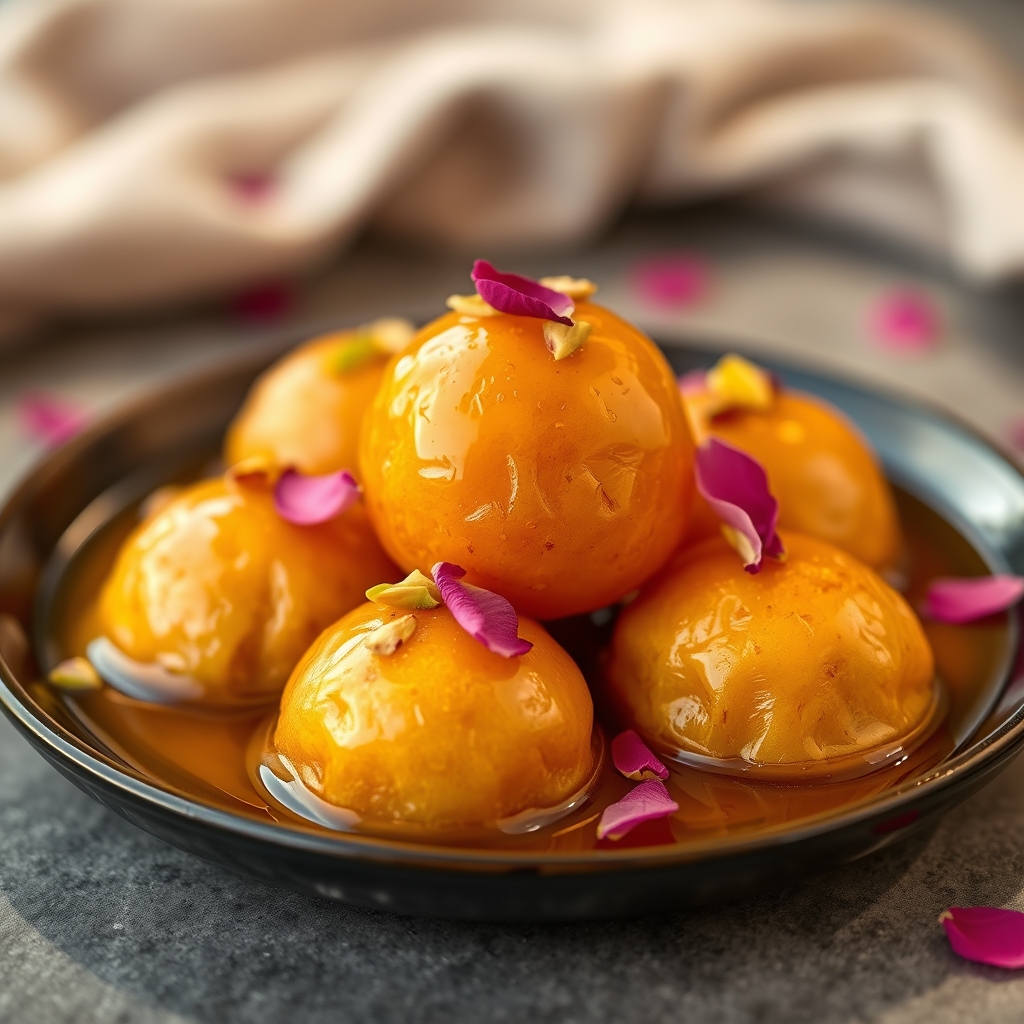
Diversity in India has given rise to regional variations in mithai that reflect local customs, ingredients, and tastes. For instance, in the North, you’ll taste the rich, creamy textures of rabri and gulab jamun, which leverage milk-based products. In contrast, the South showcases a plethora of rice and jaggery-based sweets like payasam, highlighting agrarian practices and local ingredients. Each type of mithai tells you a story about the land and its people, making the experience of tasting these sweets a profound one.
Each region has its signature sweets tied intricately to local festivals. You might enjoy petha during Diwali in Agra or savor the famous Chandrakala from Uttarakhand, each carrying flavors reflective of cultural heritage. These nuances are what make mithai so unique, not only as a dessert but as a reflection of geographical influences and historical contexts. The variations underscore the importance of place, resource availability, and climatic conditions, shaping the types of sweets created.
Additionally, the influence of regional mithai often trickles into modern dessert recipes and fusion confections. As bakers and chefs experiment with these traditional flavors, they blend them with international influences, opening up new dimensions in sweetness. This continues the legacy of mithai, showcasing how these regional specialties inspire innovative culinary expressions that resonate with contemporary tastes.
Key Ingredients in Mithai
Common Components and Their Flavor Profiles
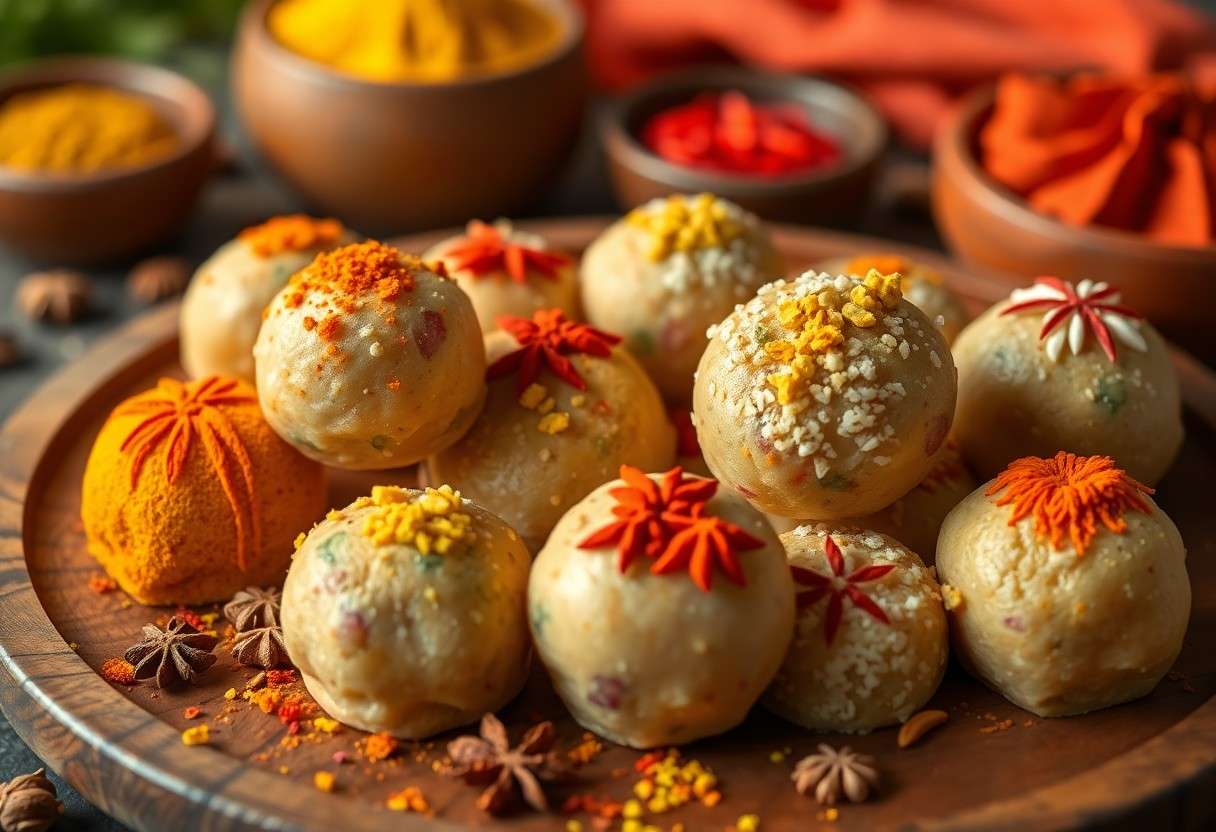
When you examine into mithai, you’ll encounter a delightful assortment of ingredients that create a symphony of flavors and textures. The foundation often includes milk in various forms, such as full cream, condensed, or evaporated, which provides a rich and creamy base. Ingredients like khoya or mawa, which are reduced milk solids, impart a unique richness, often compared to cheesecake. Additionally, sugar serves as the central sweetener, but the choice of jaggery can infuse a deep, molasses-like flavor, offering a more complex sweetness. Variances such as saffron or cardamom in the mix bring aromatic and exotic notes, transforming the simple sweetness into a sensory experience.
Nuts play a pivotal role, adding crunch and a depth of flavor to mithai. You might find cashews, almonds, or pistachios blended into the sweets, not just for texture but also for their healthy fats, which contribute to the overall richness. Moreover, coconut is another common component, present in multiple forms, whether grated, desiccated, or in milk form, brightening mithai with its tropical sweetness. The use of natural flavorings like rose water or kewra delivers a signature fragrance that lingers, providing a wholly immersive experience. Each ingredient works in tandem to create a multidimensional flavor profile that can vary widely across different regions of India.
The adaptability of mithai is also reflected in the way these ingredients can be modified or enhanced. For example, contemporary chefs may incorporate elements such as matcha or lavender to create fusion flavors, pushing boundaries while still honoring traditional roots. The combination of these common components can create a wealth of variations, catering not only to personal preferences but also to seasonal and celebratory occasions. In a world where flavor experimentation is on the rise, mithai stands as a brilliant reminder of how traditional ingredients can lead to innovative results.
Cultural Importance of Ingredients
The ingredients used in mithai are steeped in cultural significance, reflecting centuries of culinary practices and traditions. Each component tells a story, deeply connected to Indian festivals, rituals, and heritage. For instance, ghee, often used in mithai preparation, is not just a cooking fat; it holds a sacred place in Hindu traditions, symbolizing purity and goodness. Ghee is integral to the preparation of sweets offered during pujas (prayers), making it not only a flavor enhancer but also a spiritual one. Additionally, the use of specific ingredients during certain festivals-like coconut during Ganesh Chaturthi-underscores the role of mithai in nurturing cultural bonds and shared traditions.
The cultural importance of these ingredients extends beyond their culinary applications; they are imbued with local legends and folklore. For example, the revered saffron, known for its vibrant hue and aromatic properties, is often associated with royalty and opulence, frequently used in festive preparations to signify abundance and joy. Such elements elevate the experience of eating mithai beyond mere sustenance, making it a medium through which cultural narratives are conveyed. The engagement with these ingredients invites a deeper appreciation of the societal practices that have shaped their use over generations.
This intertwining of culinary arts and culture reflects the rich tapestry of Indian society, where ingredients are chosen not only for their taste and texture but also for their symbolic meanings. The ceremonial role of mithai as a celebratory food enhances the collective memory of communities, reinforcing bonds as families come together to create and share these delicacies. By understanding the importance of these components, you can truly appreciate the soul of mithai that resonates within the cultural spirit of India.
Techniques Used in Making Mithai
Traditional Preparation Methods
When you investigate into the world of mithai, understanding traditional preparation methods is necessary. Techniques like slow boiling milk to make mawa, or khoya, are foundational in creating various sweets. This ancient method requires patience, as the milk must be simmered for hours until it thickens and loses most of its water content, resulting in a concentrated milk product. You’ll often observe this technique in popular treats like Gulab Jamun and Barfi, where the quality of khoya directly influences the final product’s texture and flavor. Following this, you must pay attention to the perfect amalgamation of sugar and cardamom, enhancing the mithai’s signature sweetness and aromatic qualities.
Another technique involves the art of tempering flavors and textures, often seen in the preparation of Burfis and Ladoos. You combine roasted ingredients like semolina or besan with sugar syrup, creating a unique consistency that binds the sweet. This method requires a deft touch, as you must continuously stir the mixture over heat until it reaches a desirable consistency. Your ability to determine when the mixture is perfectly cooked can significantly affect the mithai’s final mouthfeel and taste, showcasing the importance of skill in traditional Indian confectionery.
Moreover, molding and shaping play a vital role in mithai preparation. From decorative shapes for festival celebrations to the classic round forms for everyday consumption, the presentation of mithai is as significant as its taste. Techniques such as hand-rolling or using molds provide the sweets with their iconic looks, often adorned with edible silver leaves or nuts. The combination of these traditional methods contributes to a unique experience that defines Indian sweets; they are not only treats but also visual art.
Innovations in Crafting Contemporary Sweets
As the culinary landscape evolves, so too do the techniques for crafting mithai. Modern chefs integrate state-of-the-art kitchen technology with traditional skill sets, resulting in exciting new hybrids of flavors and formats. You can see this innovation when ingredients like chocolate, fruits, and even global spices are introduced into classic recipes, providing an inventive twist. For example, the fusion of dark chocolate with traditional Kaju Katli has become increasingly popular, providing a rich flavor profile that appeals to contemporary palates while maintaining the essence of mithai.
Social media has further propelled these innovations, with creators experimenting and sharing their unique versions of mithai online. Instagram and TikTok are brimming with videos showcasing vibrant dessert creations, such as saffron-infused macarons and pistachio brownies inspired by traditional flavors. This visibility fosters a sense of community around mithai, encouraging home bakers to experiment, combining elements from different culinary traditions. Moreover, incorporating gluten-free or vegan alternatives ensures that everyone can enjoy these sweets, broadening their appeal.
Furthermore, collaborations between artisan sweet makers and modern confectioners are becoming increasingly common. This synergy allows for the blending of handcrafted excellence with contemporary design, resulting in beautifully packaged and ecologically conscious products. You will find mithai being served alongside artisanal cheesecakes or as part of elaborate dessert platters, redefining how traditional sweets are enjoyed in today’s culture. With innovations like these, mithai continues to captivate a new generation, proving that while traditions may evolve, the essence of mithai’s deliciousness remains unchanged.
The Rise of Fusion Confectionery
In recent years, fusion confectionery has seen a meteoric rise, blending traditional desserts with contemporary culinary techniques and global flavors. This trend resonates with consumers seeking unique taste experiences, and it has successfully bridged cultural divides, creating desserts that are both visually stunning and delicious. You may encounter treats like matcha-infused gulab jamun or tiramisu made with saffron and cardamom, showcasing a bold interplay of ingredients that respect their roots while inviting innovation. Such creations are not merely novelties; they reflect a profound appreciation for the diversity of culinary heritages while appealing to modern palates.
The definition of fusion desserts goes beyond mere flavor combinations; it’s about a harmonious integration of techniques, presentation, and cultural storytelling. When you think of fusion, consider items such as mango sticky rice panna cotta or coconut burfi cupcakes. These desserts unite textures and flavors that enhance one another, transforming traditional sweets into beloved global classics. By utilizing methods from European baking alongside Indian sweet-making traditions, chefs are crafting experiences that are as entertaining as they are indulgent. This vibrant movement allows for experimentation, pushing boundaries and challenging perceptions of what a dessert can be.
Not surprisingly, fusion confectionery has found its way into celebrations and social gatherings, especially in urban centers where cultural exchanges are commonplace. At these events, you might encounter a stunning table of desserts featuring rasgulla cheesecake or chocolate samosas paired with exotic dipping sauces. This variety not only satisfies adventurous eaters but also sparks conversations about the origins and adaptations of these sweets. As each bite offers a story, you become part of an evolving narrative that respects traditional methods while embracing the future.
Definition and Examples of Fusion Desserts
Fusion desserts stand at the crossroads of culinary innovation and cultural appreciation, blending classic elements from diverse traditions. They allow you to experience flavors and techniques that may seem disparate but ultimately complement one another beautifully. For instance, consider the popular trend of using the Indian sweet, ladoo, as a base for creative interpretations like ladoo energy balls, incorporating healthful elements such as nuts and superfoods. This approach transforms a traditional dessert into a modern snack option without losing its authentic essence, illustrating how fusion can cater to contemporary dietary preferences.
Another beautiful representation is the creation of pav bhaji brownies. In this unique spin, the beloved Mumbai street food layers rich brownie with the spicy and hearty pav bhaji, providing a delightful contrast of sweetness and savory notes. Such innovations showcase how fusion desserts can be a canvas for chefs to express their creativity and personal interpretations of culture. You may encounter fusion desserts not only in upscale patisseries but also in food trucks and pop-up stalls, facilitating a dynamic culinary scene that evolves with every new trend.
Chefs and home bakers alike utilize these fusion concepts to invite a broader audience into desserts. You’ll find dishes like chai-spiced doughnuts or masala-flavored macarons reflecting a nuanced understanding of flavor profiles. As you research into these contemporary spins on traditional sweets, you begin to appreciate the intricate layers of influence and the joy that comes from past and present coexisting on a plate.
How Mithai Influences Modern Recipes
Mithai serves as a wellspring of inspiration for modern desserts by providing a rich tapestry of flavors and textures to draw from. You’ll see chefs experimenting with the foundational elements of mithai-such as the use of khoya, jaggery, or cardamom-as important components in new creations. For example, many bakers incorporate the dense, creamy texture of khoya into cheesecakes or puddings, replacing traditional ingredients with this luscious base that nods to its origins while catering to contemporary tastes. This influence not only enriches the flavor but also introduces a delightful nostalgia to modern dessert experiences, building a bridge between past and present culinary narratives.
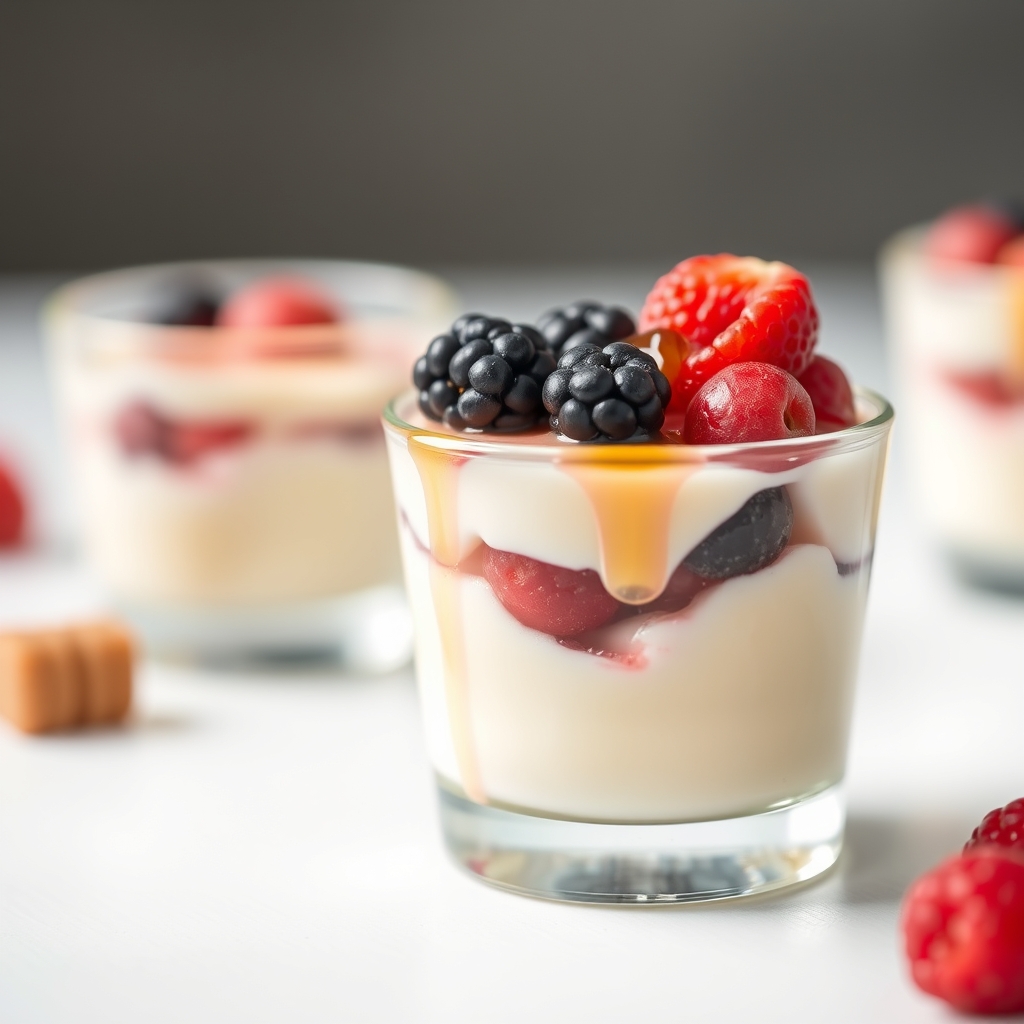
Mithai’s rich flavor profiles shape the development of innovative recipes in ways that resonate with both local and global audiences. By using familiar mithai elements, like burfi or pedha, you can create unique flavor pairings that intrigue and captivate. Imagine savoring a coconut burfi trifle layered with mango puree and whipped cream, or an almond halwa tart that blends the comforting taste of traditional sweets with the elegance of modern presentations. These fusions do more than delight your palate-they encourage an exploration of flavor and heritage, inviting you to think about the integral role mithai plays in your culinary landscape.
With the rise of global dining trends, mithai influences extend further, as some chefs draw on the intricate preparation techniques typical of this confectionery. The practice of layering flavors and textures becomes a hallmark of modern dessert creation, and your willingness to experiment can lead to exciting results. This synergy enhances the dessert experience, making each bite not just a taste but a meaningful connection to cultural traditions. Continuing to embrace mithai in new contexts ensures that this cherished element of Indian cuisine maintains its relevance in an ever-evolving culinary scene.
Popular Fusion Desserts Inspired by Mithai
Notable Examples and Their Story
One remarkable example of fusion desserts is the Gulab Jamun Cheesecake, which combines the classic Indian sweet with the creamy texture of a cheesecake. This dessert often features a crust made from digestive biscuits, providing a crunchy contrast to the rich, velvety filling infused with cardamom and rose water. Some chefs add actual pieces of Gulab Jamun into the cake, creating a delightful surprise for those familiar with the traditional dessert. This innovative twist has garnered attention at various culinary festivals, showcasing how traditional Indian elements can seamlessly meld with Western dessert concepts.
Another standout is the Ras Malai Panna Cotta, where the traditional Indian sweet, Ras Malai, is reimagined in a silky panna cotta form. Chefs often infuse the cream with saffron and cardamom, mimicking the flavors you would find in Ras Malai while providing a uniquely modern presentation. Served with a garnish of pistachios or a drizzle of sweetened milk, this dessert not only appeals to the eyes but also offers a delicate balance of flavors reminiscent of its roots. This dessert has found favor in upscale restaurants, reflecting the growing trend of making mithai more accessible and attractive to a wider audience.
The fusion of Indian sweets with modern techniques isn’t just limited to these examples. The Chocolate Barfi is a prime illustration of how traditional mithai can be transformed into a contemporary treat. By combining khoya with dark chocolate, this dessert brings together the richness of Indian ingredients and the universal appeal of chocolate. Often garnished with edible gold leaf, it becomes a luxurious treat suitable for celebrations. These examples illustrate a growing movement among chefs to redefine mithai, using innovative cooking methods, to appeal to both traditionalists and adventurous food lovers alike.
The Role of Social Media in Popularizing Fusion Treats
Social media platforms like Instagram and TikTok have transformed the way you discover and engage with food trends, and fusion desserts inspired by mithai are no exception. As visually appealing creations take center stage on your feeds, desserts like the Cadbury Barfi or Mango Lassi Popsicles become viral sensations, enticing viewers with their unique blends of flavors and textures. This visual-driven culture promotes experimentation, encouraging home bakers and professional chefs alike to share their interpretations of traditional sweets, often using hashtags related to both mithai and fusion desserts.
You can see how influencers play a pivotal role in showcasing these fusion creations to a broader audience. By sharing stories and photos, they not only elevate the status of these desserts but also inspire others to try their hand at making them. The beauty of this approach lies in the accessibility of recipes and simple tutorials that often accompany these posts, allowing you to recreate these treats in your own kitchen. This democratization of culinary art blurs the lines between professional chefs and home bakers, fostering a community of dessert enthusiasts sharing their delightful experiences.
Ultimately, the viral nature of social media means that new fusion desserts inspired by traditional mithai can reach global audiences in a matter of hours. Engaging content, whether it’s a beautifully styled photograph or an enticing video, captures your attention and encourages you to explore these innovative treats. Each indulged view and like perpetuates the cycle of curiosity and creativity within the sweets community, ensuring that these modern interpretations gain traction and inspire further culinary explorations.
The Future of Mithai and Fusion Confectionery
Trends and Consumer Preferences
The evolving landscape of consumer preferences highlights an increasing inclination towards health-conscious choices, even in sweet indulgences. For instance, you’re likely to see a rise in demand for mithai made with natural sweeteners like jaggery or healthier fats, catering to those who prioritize nutritional value without sacrificing flavor. This shift reflects a broader trend where customers are seeking out desserts that not only satisfy their sweet cravings but also offer a sense of wellness. According to market research, the global health and wellness food market is projected to reach USD 1 trillion by 2025, indicating a clear trajectory towards healthier options.
Moreover, the multicultural melting pot that defines today’s society contributes significantly to consumer behavior. You may notice an increasing appetite for innovative combinations, such as saffron-infused panna cotta or chai-spiced macarons. This fusion isn’t merely a trend but rather a demand for unique culinary experiences that celebrate diverse flavors and traditions. The ability to layer Indian sweets with other international desserts provides you with not just a taste but a story and cultural connection, enriching the overall experience. One study found that nearly 75% of consumers are willing to try desserts that incorporate global flavors, showcasing the potential for fusion desserts to captivate an audience.
Lastly, accessibility plays a vital role in reshaping how you encounter mithai. The growth of e-commerce and delivery services enables you to explore artisanal mithai options from the comfort of your home. Artisans are now more empowered than ever to showcase their unique blends and flavors online, offering limited-edition boxes that combine traditional Indian sweets with contemporary designs. The social media landscape also fuels this movement, as images of aesthetically pleasing desserts flood platforms like Instagram, driving demand for visually captivating and creative fusion treats that are just as enjoyable to share as they are to eat.
Potential for Further Innovation
You stand at the forefront of a culinary revolution that continues to push the boundaries of what mithai can be. The potential for innovative techniques, flavors, and presentations remains vast. For instance, the application of molecular gastronomy could transform traditional Indian desserts, resulting in unexpected textures and forms. Imagine deconstructed rasgulla served as a frothy foam or jalebi crisps that encapsulate bursts of flavored syrups. These avant-garde presentations not only delight the palate but challenge the existing norms of mithai, appealing to adventurous eaters and food connoisseurs alike.
Moreover, the intersection of technology and craftsmanship is paving the way for further evolution in this field. As you explore options like 3D-printed sweets or artisanal chocolates infused with unexpected mithai flavors, the integration of technology into confectionery creates exciting possibilities. For example, small businesses can use data analytics to understand consumer preferences better, tailoring their products to meet the evolving tastes of their target audience. Subsequently, this allows for a more personalized dessert experience that continues to attract consumers who crave novelty.
Furthermore, the sustainability movement is gaining traction, urging you to contemplate the environmental impact of your dessert choices. As a result, there’s a push towards sourcing local, organic ingredients for mithai while reducing waste through innovative packaging solutions. With a growing emphasis on clean, sustainable eating, the fusion of traditional flavors with eco-friendly practices can lead to creative opportunities that not only cater to taste but also resonate with environmentally conscious consumers, presenting you with a holistic approach to enjoying your favorite sweets.
Summing up
On the whole, exploring how Indian mithai influences modern fusion confectionery reveals a rich tapestry of flavors and techniques that you can leverage in your own culinary endeavors. The vibrant history and diverse regional characteristics of traditional Indian sweets offer endless inspiration for you to experiment with. By incorporating ingredients like cardamom, saffron, or ghee into contemporary desserts, you not only pay homage to these time-honored recipes but also create a novel experience that bridges the gap between tradition and modernity. This creative fusion allows you to connect with a broader audience who appreciates the unique, bold flavors that Indian mithai brings to the table.
As you seek to innovate in your own kitchen, consider the versatility of mithai as a foundational element. Many classic sweets, such as rasgulla or gulab jamun, can be transformed into unique treats that cater to modern tastes, such as mithai-flavored pastries or gourmet ice creams. You can also explore various textures by incorporating elements like crunchy pistachios or a creamy coconut filling. This dynamic combination cultivates an engaging sensory experience where the familiarity of mithai meets the excitement of contemporary dessert trends, ensuring that your creations are both appealing and memorable.
Ultimately, embracing the influence of Indian mithai in your fusion confectionery efforts empowers you to celebrate cultural diversity while also honing your own skills as a confectioner. You have the opportunity to educate others about the intricate flavors of Indian sweets, fostering appreciation for a culinary heritage that has stood the test of time. By merging traditional methods with innovative concepts, you position yourself at the forefront of a delightful evolution in the dessert landscape, inviting your audience to savor and enjoy the best of both worlds in every bite.