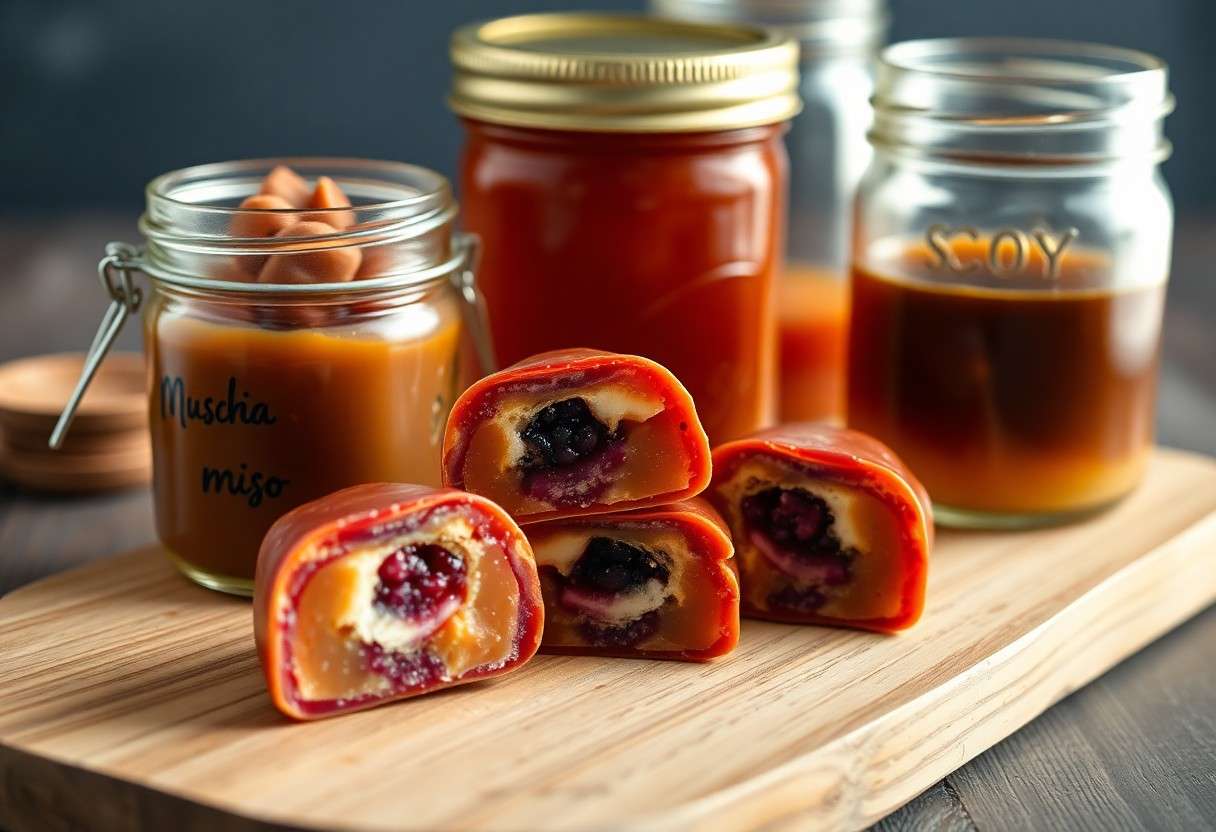
How Savory Sweet Chocolate Mashups Redefine Indulgence
Chocolate paired with spices, cheeses, or cured meats teaches you to balance bitterness, salt, and fat; you must heed allergen and sodium risks while savoring t

This article contains Amazon affiliate links. As an Amazon Associate, CandiesAndSweets earns from qualifying purchases.
 Save
Save
Chocolate paired with spices, cheeses, or cured meats teaches you to balance bitterness, salt, and fat; you must heed allergen and sodium risks while savoring transformative flavor contrasts that redefine indulgence.
The Chemistry of Flavor Contrast
You sense how opposing tastes bring chocolate alive: salt softens bitterness, fat amplifies aroma, and acid sharpens fruit notes. Small contrasts trigger receptors so that sodium can amplify perceived sweetness and reveal otherwise-hidden cocoa nuances.
Balancing those elements relies on microdoses; even a trace of savory shifts your perception toward richness. Test sparingly because excess salt or savory agents will mute cacao’s nuance and leave the blend flat.
The role of sodium in enhancing sweetness perception
Sodium interacts with taste receptors, dulling bitterness and heightening sweet signals so that you perceive chocolate as rounder and sweeter. Use a tiny pinch to coax out cocoa aromatics without making the bar taste salty.
Try delicate textures like salted caramel shards or fleur de sel atop ganache so you control where sodium lands on the palate; this directs sweetness and aroma without overwhelming the cacao.
Umami: Unlocking the hidden depth of cacao
Umami compounds, especially free glutamates in aged miso or Parmesan, deepen chocolate’s midpalate and reveal savory back-notes that complement cocoa bitterness. When you add glutamate-rich ingredients in moderation, you unlock a more layered, savory-sweet profile.
Cacao itself contains amino acids that can interact with savory additions, so you should balance intensity: too much umami will make the chocolate taste meaty while measured doses amplify complexity.
Layer small amounts of fermented ingredients into ganache, or brush bittersweet shells with soy-reduced syrups so you can sense the shift; subtle umami elevates floral and nutty notes without masking origin flavors.
Historical Roots of Savory Cacao
Cacao survived centuries of culinary adaptation so you can trace savory mashups back to beans mixed with herbs, smoke, and animal fats, where cultural exchange amplified complexity.
Evidence from archaeological finds shows you that early recipes blended cacao with local spices and seeds, planting the seed for today’s savory-sweet innovations.
Ancient Mesoamerican spice and chili traditions
Mesoamerican kitchens trained you to pair cacao with chili, annatto, and peppery seeds, creating a profile that favored heat and aromatic depth over simple sweetness.
Locals turned those mixtures into ritual and daily fare, and you see that some preparations were revered for healing while others could be dangerously intense for outsiders.
The evolution from bitter medicinal drink to modern confection
Spanish contact altered cacao for you by introducing sugar, dairy, and new techniques that softened bitterness and began the shift toward confectionery uses. You might also enjoy our guide on Vegan Chocolate Market Surge: Innovations and Real-Life Brand Success Stories.
Industrial advances later standardized chocolate forms you now manipulate-bars, disks, and couverture-that let chefs marry chocolate’s umami richness with savory elements.
Today you encounter single-origin and formulated chocolates engineered for balance, and you should heed that theobromine is toxic to pets when experimenting with savory-sweet creations at home.
Contemporary Culinary Innovations
Chefs continue to fuse savory ingredients with chocolate, and you taste bold contrasts that reframe indulgence; these combinations push you to reconsider sweetness as only dessert. Expect salty, umami, and bitter notes to play off cacao’s natural bitterness, creating layered experiences that reward curiosity.
Tasters note that texture is a defining factor when you sample bars with roasted seeds, briny caramel, or olive-oil ganache; crunch and creaminess heighten perceived luxury while keeping portions surprisingly satisfying.
Botanical and herbal infusions in artisanal bars
Herbalists and chocolatiers pair bay, rosemary, and citrus peel with cacao so you can follow aromatic threads across each bite; remain cautious because some botanicals are toxic in high doses, so measured recipes and vetted sourcing protect both flavor and safety.
The rise of smoked, cured, and fermented inclusions
Smoke-kissed chocolate introduces savory depth that you can pair with full-bodied wines or stouts; smoke intensity must be calibrated carefully to avoid overwhelming delicate cacao notes.
Fermentation techniques yield inclusions like koji caramel and miso swirls that give you tangy umami layers; strict control of temperature and salt levels preserves flavor and lowers food-safety risks.
Producers advise you to taste small batches to judge the balance between smoke, salt, and sweetness and to avoid overusing cured or salty elements because high sodium can dominate chocolate’s nuance and may raise health concerns.
Texture and Mouthfeel in Mashup Profiles
Texture defines how your mashups register on the palate, pairing silky cocoa melts with contrasting elements so you can savor each layer. You balance particle size and fat crystallization to craft moments where smooth chocolate yields to a crisp bite, creating lasting interest without overpowering the core flavor.
Mouthfeel reacts to temperature and ingredient ratios, so you control sensory pacing by adjusting fat type and inclusion sizes. You must avoid over-softening; excessive lipid or moisture can flatten the profile and mute aromatics that should linger.
Integrating crunchy proteins and ancient grains
Grains like popped quinoa or toasted amaranth give your mashups nutty texture and fiber-rich crunch, enhancing complexity while supporting savory edges. You choose grain size and toasting level to tune bitterness and ensure even distribution through the chocolate matrix.
Contrast matters when adding protein crisps or puffed legumes, since you want audible snap without grit. You watch packaging and moisture barriers because ambient humidity will collapse crunch and shorten shelf life.
Balancing lipid content for optimal flavor release
Lipids carry volatile cocoa and spice notes, so you calibrate total fat to unlock aroma without greasiness; aim for a balance that preserves snap and melt. You blend cocoa butter with neutral oils selectively to achieve enhanced aroma release while maintaining structure.
Ratio management affects coating and mouth-coating sensations, influencing how flavors unfold over seconds. You monitor emulsifiers and particle dispersion since excessive oil yields a slick, muted finish that undermines savoriness.
When you test formulations, sample at different temperatures and after rest to evaluate flavor lift and stability; use small-batch trials to assess how cocoa butter fractions or alternative oils shift melting point and aroma trajectory. You consider tempering to preserve snap and select fats that sustain intended mouthfeel across shelf conditions.
Expert Pairing Strategies
Expertise guides how you match chocolate intensity to savory elements: lighter milk or aromatic 50-60% bars suit cured meats, while bold 70%+ bars pair with game or bitter greens. Focus on texture, salt, and smoke to create contrast and reveal hidden notes. Keep matched intensity and avoid overpowering spices that will mute chocolate nuances.
Balance comes from portion control and pacing: serve bite-sized samples, alternate sips, and provide a neutral palate cleanser like water or plain crackers. Mind temperature-warm chocolate broadens aroma-and mouthfeel to keep pairings lively. Maintain small servings so no single element dominates the tasting.
Complementing savory chocolate with spirits and wine
Spirits pair by echoing flavor families: rye complements smoked chocolate, aged rum highlights nutty ganache, and dry gin brightens herbaceous blends. Fortified wines such as Port and Sherry amplify sweetness, while high-proof spirits can overpower, so you should prefer short sips and lower ABV options to preserve balance.
Curating a sequential tasting experience
Sequence matters: begin with delicate, herb-forward bites, progress to umami or smoked proteins, and finish with dense, bittersweet chocolate. Alternate sips and small bites so you reset the palate between contrasts. Offer acidic accents like citrus or pickles to refresh and sharpen perception during the flight. You might also enjoy our guide on Can dark chocolate help in muscle recovery or sports performance?.
Tasting order example: start with a light herb oil paired with white-chocolate mousse, move to salted goat cheese with milk chocolate, then serve charred steak alongside 60-70% dark chocolate, and close with a concentrated 80% bar or chocolate-infused digestif. You should monitor pacing and guest feedback to refine the sequence.
Summing up
You find savory-sweet chocolate mashups reshape indulgence by combining salted, spicy, or umami notes with rich cocoa, sharpening contrast and deepening flavor complexity. This approach trains your palate to appreciate layered textures and balanced tension between sweet and savory, making each bite more memorable. Expect creative pairings to broaden dessert possibilities and make everyday treats feel more sophisticated and intentional. You might also enjoy our guide on Layered Chocolate Recipes.