Korean Candy Aesthetics Influence Packaging and Visual Presentation Worldwide
Korean 먹거리 (meokgeori), or snacks, have captivated global audiences not just through their unique flavors but also their distinctive aesthetics. You might be su

This article contains Amazon affiliate links. As an Amazon Associate, CandiesAndSweets earns from qualifying purchases.
 Save
Save
Korean 먹거리 (meokgeori), or snacks, have captivated global audiences not just through their unique flavors but also their distinctive aesthetics. You might be surprised to learn how these vibrant and artistic packaging designs have reshaped visual presentation standards in the candy industry. By embracing playful colors, imaginative illustrations, and cultural elements, Korean candies have set a benchmark for marketing strategies worldwide. This post will explore how these influences are transforming your favorite sweet treats and the broader implications for packaging design across the globe.
The Evolution of Korean Candy Aesthetics
Historical Context
Understanding the evolution of Korean candy aesthetics requires a look back at the historical influences shaping it. During the Joseon Dynasty, candies such as “sikhye” and “myeongga” emerged, often made from rice or grains, signifying them as more than just treats but as cultural staples. The packaging of these candies typically reflected a simplistic and utilitarian style consistent with the period’s aesthetic values. As Western influences crept into Korea in the late 19th and early 20th centuries, sweets began to adopt vibrant colors and whimsical designs, aligning with a global trend toward more playful and decorative confectionery.
The post-war economic boom in the 1960s and 1970s further catalyzed changes in candy aesthetics. With increased production capabilities, companies like Lotte introduced colorful wrappers and innovative shapes, responding to a growing consumer market that was eager for novel experiences. The introduction of contemporary brands in the late 20th century saw a transition to eye-catching designs that incorporated elements of pop culture, paving the way for modern Korean candy’s aesthetic identity.
Cultural Influences
Korean candy aesthetics are deeply intertwined with the country’s rich cultural heritage. The influences of traditional Korean art forms, such as minhwa (folk painting) and the use of vivid colors and intricate patterns, have been absorbed into modern candy designs. For instance, the iconic “Pepero” is often packaged in festive themes that resonate with annual celebrations, like Chuseok and Seollal. This connection between seasonal traditions and candy aesthetics showcases a harmonious blend of old and new, allowing consumers to celebrate culture through sweets.
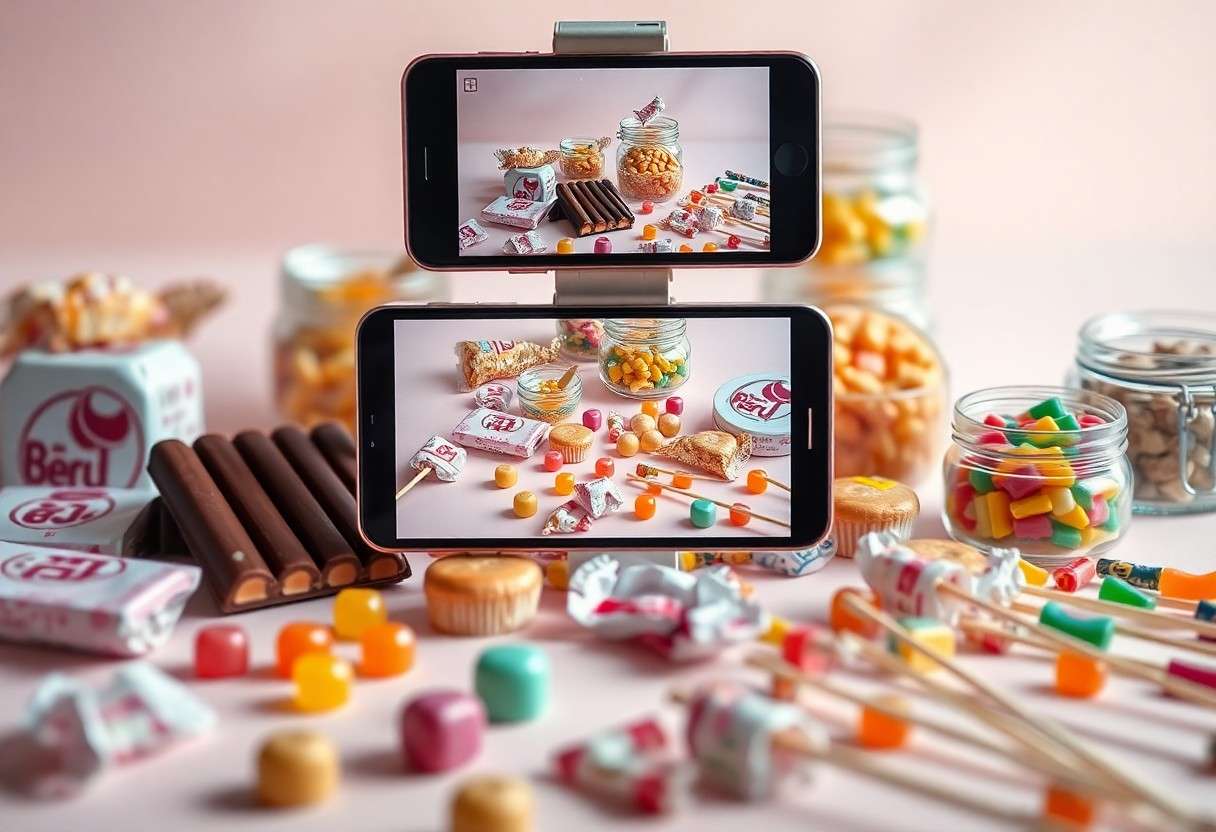
The impact of K-pop and popular media cannot be overlooked in shaping candy aesthetics. Brands have embraced collaborations with popular idols and characters, creating limited-edition packaging that appeals to fans. The use of social media platforms to promote visually appealing candy also plays a significant role, where you might encounter vibrant photos that capture the essence of each product. As a result, candy packaging often resembles collectible art, making it hard to resist both the treat and the visual experience that accompanies it.
Key Elements of Korean Candy Packaging
Color Palettes
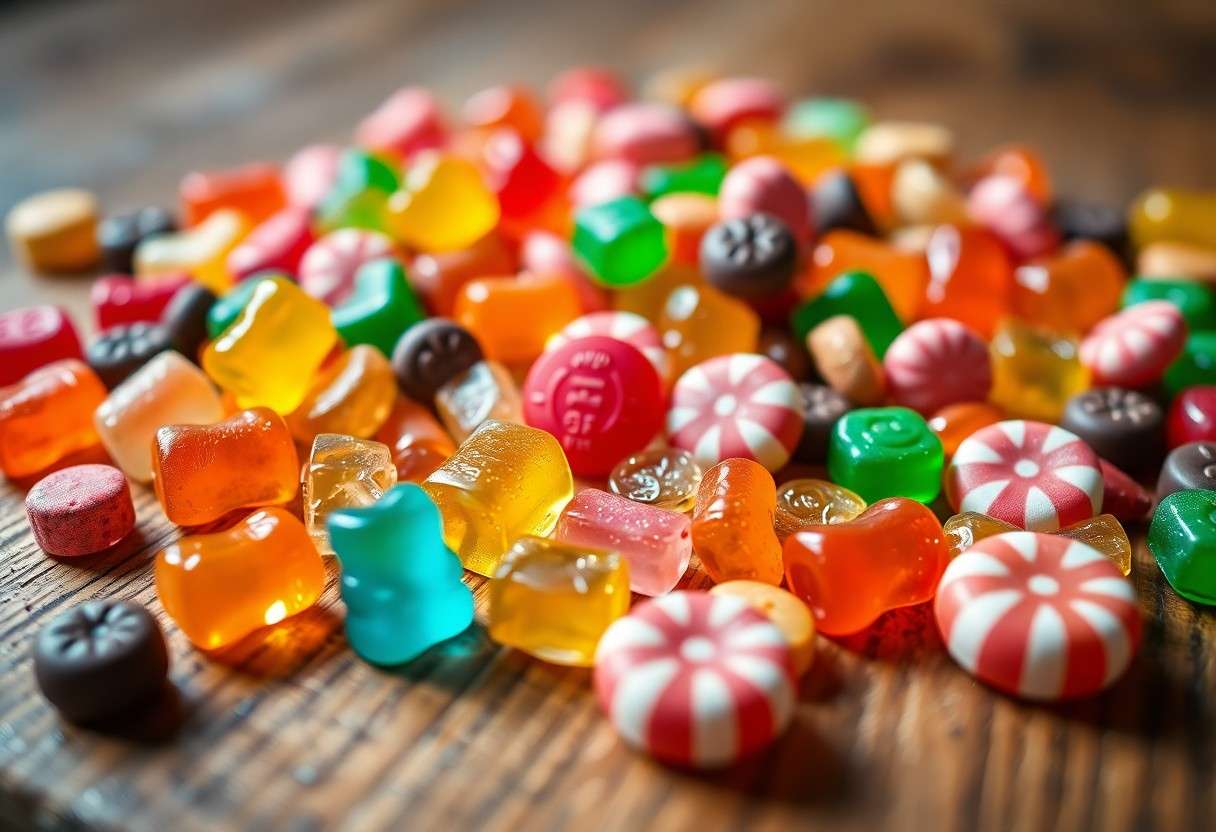
Vibrant color palettes dominate Korean candy packaging, serving not just aesthetics but also the allure of flavors. Bright pinks, greens, and blues are frequently used to reflect the taste experience, with specific colors often associated with particular flavors. For instance, a sweet and fruity candy may employ a lively yellow and pink color scheme, while a mint-flavored treat might feature cool greens and whites. This strategic use of color speeds up consumer decision-making, enticing you to reach for the product almost instinctively.
Colors in packaging often draw upon cultural symbols and meanings in Korean society, adding another layer of connection. The use of pastel colors, for example, can invoke feelings of nostalgia and childhood, appealing to both younger audiences and adults seeking a taste of their past. The way these palettes harmonize with the overall design is particularly compelling, making the product not just a treat but a visual delight.
Typography and Branding
Typography plays a significant role in the branding of Korean candy, where playful and whimsical fonts enhance the product’s appeal. Each brand often develops a unique typeface that reflects its identity, facilitating instant recognition on crowded retail shelves. The combination of hangul and Roman script can create an engaging visual that bridges cultural gaps, allowing international consumers to connect more deeply with the product. For example, the combination of fun script fonts with pastel color schemes exemplifies the cute (or ‘kawaii’) aesthetic integral to Korean culture.
Effective branding in Korean candy utilizes typography not only for communication but also as a storytelling tool. You can often find descriptions that evoke an emotional response, with clever wordplay catering to a younger audience. Brands like Lotte and Haitai integrate their value propositions directly into the typography, enhancing consumer loyalty while cultivating a sense of community around the nostalgia these products evoke.
Typography also enhances the product’s perceived value. A brand might pair premium candy with elegant, serif fonts to suggest luxury, while more casual treats feature friendly, rounded fonts to signify fun. With every choice, you see how the lettering reinforces the overall branding strategy, creating an enticing package that is hard to resist.
Visual Presentation Trends in Korean Confectionery
Artistic Design Approaches
Korean confectionery brands often employ vibrant colors, whimsical characters, and intricate illustrations that evoke emotions and spark curiosity. Each package can resemble a mini artwork, designed not just to attract attention but to convey a specific theme or story. For instance, the packaging for products like Pepero or Choco Pie often features playful typography and illustrations that resonate with younger audiences, drawing them into a unique experience. This artistic approach not only enhances the visual appeal but also differentiates your brand in a saturated market, making it memorable and shareable.
The Role of Social Media
Social media platforms play a pivotal role in shaping the visual presentation of Korean candies, as they become the main stage for brands to showcase their packaging innovations. Influencers often spotlight visually appealing treats on Instagram and TikTok, igniting interest through unboxing videos and aesthetically curated images. This platform-centric approach allows you to reach a global audience with minimal investment, capitalizing on trends that rapidly go viral.
Using platforms like Instagram and TikTok as marketing tools effectively amplifies the visual experience of your confectionery products. Engaging content that highlights unique packaging or creative applications leads to increased shares and impressions, allowing your brand to gain traction rapidly. Influencers, with their vast followings, often transform unassuming sweets into trending sensations through their artistic portrayals and imaginative storytelling.
Global Influence of Korean Candy Aesthetics
Case Studies of International Brands
Several international brands have adopted Korean candy aesthetics, creating a fusion of flavors and visuals that resonate globally. For instance, Japanese confectionery company Meiji launched a limited edition line of chocolate-covered marshmallows that feature character designs similar to popular Korean animations, resulting in a 30% sales increase during the promotional period. Similarly, Mars Incorporated introduced a new line of Skittles in pastel packaging that mirrors the soft tones often seen in Korean snacks; this initiative not only increased shelf visibility but also contributed to a rise in youth market engagement by 25%.
- Meiji’s limited edition chocolate marshmallows: 30% increase in sales.
- Mars Skittles pastel packaging: 25% growth in youth engagement.
- Haribo’s gummy bears redesigned with K-pop themes: resulted in a 15% uplift in sales in Asian markets.
- Ferrero Rocher’s new packaging featuring traditional Korean patterns: praised for enhancing cultural appeal and increasing brand visibility by 20%.
Brands like Lindt and Ferrero have also explored cross-cultural adaptations by infusing Korean aesthetics in their younger-oriented products. They understood that appealing to younger consumers requires more than just flavor innovation; the visual and cultural contexts matter profoundly. Incorporating popular K-drama motifs and colors into product packaging has turned casual buyers into brand advocates, creating organic social media conversation and interest around these collaborations.
Cross-Cultural Adaptations
Adaptations of Korean candy visuals into Western markets have led to innovative collaborations and unique product offerings. Many brands are experimenting with local flavors, marrying Korean elements like honey butter with traditional confections. For instance, a U.S-based candy brand launched a line of honey butter-flavored gummies that not only captured the taste profile that appeals to Korean consumers but also features playful packaging influenced by K-pop imagery. Such adaptations highlight that blending cultural aesthetics with local flavors can successfully captivate diverse consumer bases, fostering deeper connections with brand narratives across borders. Your willingness to embrace these cross-cultural trends can enhance your marketing strategies and align your products with current consumer desires.
Consumer Reactions and Trends
The Appeal of Aesthetic Packaging
Your first impression of a product often occurs through its packaging, especially with Korean candies. Vibrant colors, playful designs, and unique shapes enhance the visual appeal, captivating your attention. Brands like Chupa Chups and Lotte have embraced these aesthetics, designing packaging that is not only eye-catching but also reflective of a fun, youthful lifestyle. Limited-edition collaborations, like those between candy makers and popular anime or K-drama brands, further amplify this allure, making the packaging collectible and elevating the overall experience. Even online, platforms like Instagram are flooded with images of beautifully packaged Korean sweets, reinforcing their visual impact in the digital space.
Impact on Purchase Decisions
Your decision to purchase candy is increasingly influenced by its packaging. Studies show that items with visually appealing packaging can see up to a 20% increase in sales compared to their less attractive counterparts. A study published in the Journal of Consumer Research highlighted how attractive packaging creates a positive bias, prompting you to associate better quality with the product inside. As a result, brands are not just creating sweets; they’re crafting an entire visual identity that resonates with consumers seeking experiences rather than mere products.
With millennials and Gen Z being key demographics, your interest in aesthetic packaging stems from a desire for products that can enhance your online presence. Bright and engaging designs act as social currency, encouraging you to share your purchases on social media. Unique aspects, such as transparent sections showcasing the candy, or incorporation of brand storytelling graphics, make you more likely to reach for one brand over another, solidifying the importance of packaging in your buying journey.
Future of Korean Candy Aesthetics in the Global Market
Emerging Trends
Shifts in consumer preferences are driving innovative trends, particularly the integration of technology in packaging design. Augmented reality (AR) features, for example, allow you to interact with candy packaging in new ways, enhancing both the aesthetic and experiential aspects of candy consumption. Brands are experimenting with vibrant colors, playful graphics, and unique shapes that not only attract attention but also resonate with social media culture. The rise of platforms like TikTok has encouraged brands to create visually striking designs that are ‘Instagrammable’, ensuring the candy becomes part of your social sharing experience.
Additionally, sustainability is becoming a significant consideration in the creation of packaging, with an increasing number of brands opting for eco-friendly materials. You’re likely to see brands experimenting with biodegradable wrappers or reusable containers that align with the values of environmentally conscious consumers. The melding of fun design with ethical responsibility plays a key role in the next wave of Korean candy aesthetics, aiming to capture your heart while being considerate of the planet.
Potential Challenges
As Korean candy aesthetics gain popularity worldwide, not all brands will successfully navigate the competitive landscape. You may observe challenges with localization, as what captures your attention in one culture may not resonate in another. Furthermore, the rapid pace of trends can lead to oversaturation in the market, making it difficult for brands to maintain a unique identity. Additionally, ensuring consistent quality while embracing novel design elements can stretch production capabilities and resources.
Balancing aesthetic appeal with practicality becomes crucial in this evolving market. Issues related to shipping, storage, and shelf life can complicate the adoption of intricate packaging designs, limiting their overall effectiveness. If brands focus solely on the visual without addressing functionality, they risk losing consumer trust. As global competitions intensify, careful consideration of these potential pitfalls will be key to sustaining the success of Korean candy aesthetics on the world stage.
Conclusion
Drawing together the insights on Korean candy aesthetics, you can appreciate how this unique visual presentation influences packaging design globally. The vibrant colors, intricate designs, and imaginative themes of Korean candies have captivated audiences, inspiring brands to adopt similar aesthetics in their products. By understanding these trends, you can enhance your own packaging strategies and resonate more effectively with consumers by reflecting cultural influences and contemporary aesthetics.
As you explore the world of packaging design, consider the impact of cultural elements such as those found in Korean candy. This influence stretches beyond borders, shaping the expectations of consumers and guiding your approach to visual presentation. For further insights on the significance of cultural influences in packaging, you may find valuable information in this article on How Culture Influences Packaging Aesthetics: A Global ….