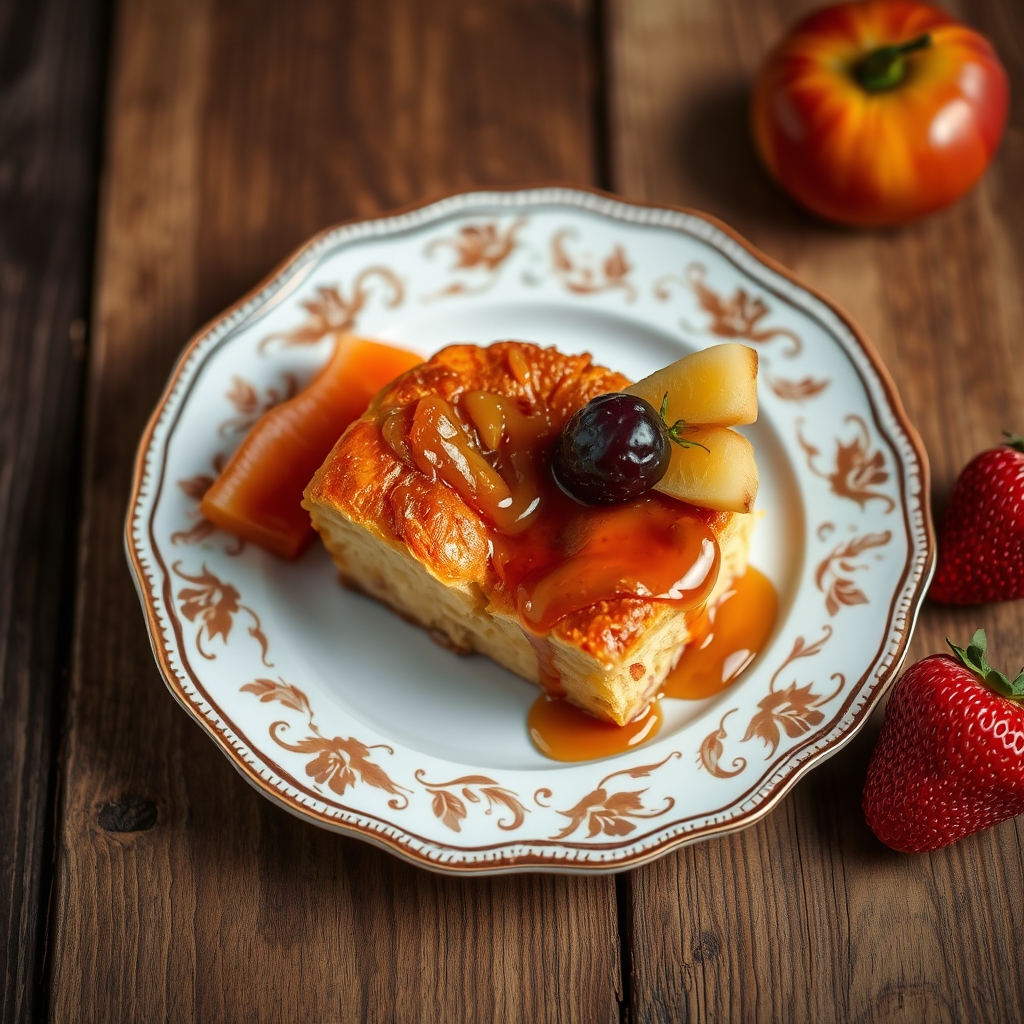
Malva Pudding – South Africa's Sticky Dessert
You are about to discover the delightful world of Malva pudding, a traditional South African dessert that has captured the hearts and taste buds of many. This s

This article contains Amazon affiliate links. As an Amazon Associate, CandiesAndSweets earns from qualifying purchases.
You are about to discover the delightful world of Malva pudding, a traditional South African dessert that has captured the hearts and taste buds of many. This sticky, caramelized treat combines a unique blend of ingredients and flavors, making it a beloved favorite at family gatherings and festive occasions. With its rich history and comforting texture, Malva pudding is not just a dessert; it is a culinary experience that connects you to South African culture. Let’s explore the origins, flavors, and the perfect recipe for this irresistible dish.
The Origins of Malva Pudding
Historical Background
Origins of malva pudding can be traced back to the early 18th century, when Dutch settlers brought their culinary influences to the Cape of Good Hope in South Africa. This delightful dessert has roots in traditional Cape Malay cuisine, blending recipes and techniques from various cultures. The pudding’s rich flavor and gooey texture stem from ingredients like apricot jam and cream, which were popular among the settlers.
As it gained popularity, malva pudding evolved into a beloved staple in South African households. It was commonly served at special gatherings, reflecting the warmth of hospitality that is inherent to South African culture. The pudding not only represents a sweet treat but also embodies the melding of diverse culinary traditions that the region is known for.
Cultural Significance in South Africa
Among South Africans, malva pudding is much more than just a dessert; it is a symbol of comfort and nostalgia. From family gatherings to festive celebrations, this delectable dish often finds its way onto dining tables, reminding you of the rich history and cultural diversity present in the country. It showcases the unique flavors that arise when different heritages intersect, uniting people through shared experiences.
Indeed, malva pudding holds a special place in the hearts of many South Africans. It serves as a dessert that bridges generations—passed down through families and adapted with personal touches. When you enjoy this sticky, sweet delight, you’re not just tasting a dessert; you’re participating in a collective memory that connects people across backgrounds and communities.
Evolution of the Recipe
Africa has a long history of culinary evolution, and malva pudding is no exception. The recipe has transformed over the years, as home cooks and professional chefs alike experimented with ingredients and techniques. Originally made with simple pantry staples, it has seen variations that introduce different flavors, such as chocolate or coconut, showcasing the creativity of modern South African cuisine.
As more people travel and share their experiences, you may notice regional variations springing up, reflecting the local tastes and preferences. The adaptability of malva pudding is a testament to its enduring appeal, allowing it to remain relevant and popular in today’s diverse culinary landscape.
Significance of malva pudding also lies in its ability to evoke memories and emotions. With each bite, you may find yourself transported to family gatherings or joyous occasions, reinforcing the notion that food is a powerful connector in our lives. The evolution of its recipe only enhances its role as a cherished dish that continues to adapt while maintaining its traditional roots.
Ingredients and Their Importance
While preparing Malva Pudding, the choice of ingredients plays a significant role in the final outcome of this beloved South African dessert. Each ingredient contributes not only to the flavor but also to the texture and overall experience of this gooey treat. Understanding what goes into your Malva Pudding will enhance your appreciation for this traditional dish and ensure you get the best results in your own kitchen.
Key Ingredients
One of the primary ingredients in Malva Pudding is the combination of flour, sugar, and eggs, which forms the base of the dessert. The flour provides structure, while the sugar adds sweetness and moisture. Eggs play a pivotal role by binding the ingredients together, giving the pudding its rich consistency. Additionally, whole milk or buttermilk adds a creamy texture, enhancing the overall mouthfeel. Each of these ingredients works in harmony to create that signature stickiness you crave.
Another important ingredient is baking soda, which helps the pudding rise during baking, resulting in a light and airy texture despite its gooey nature. Moreover, the use of butter enriches the flavor profile and contributes to the moistness of the pudding. Understanding how these key ingredients interact will give you insight into making a remarkable Malva Pudding.
The Role of Apricot Jam
Behind every great Malva Pudding lies the often-overlooked hero: apricot jam. This ingredient adds an unmistakable fruity flavor that balances the sweetness of the dessert while also providing a subtle tang. The jam is mixed into the batter, which allows its flavor to permeate the pudding as it bakes, creating a depth of taste that elevates the dish to new heights.
Hence, apricot jam not only contributes to flavor but also impacts the moisture content in the final pudding. The slight acidity in the jam works beautifully with the sweetness of the sugar, making each bite a delightful experience. When you pick a high-quality apricot jam, the authentic fruit essence will shine through, enhancing the pudding’s overall appeal.
Importance of the Baking Method
About the baking method, it’s necessary to pay attention to how you bake your Malva Pudding. This dessert is typically baked in a water bath, which helps maintain moisture and creates that unique texture you’re after. The steam generated during the baking process contributes to the pudding’s signature stickiness, ensuring it doesn’t dry out in the oven. Additionally, the careful control of heat allows for even cooking, preventing any burn or unevenness.
Baking your pudding correctly also helps the flavors meld together, allowing the sweet and fruity notes of the apricot jam to infuse throughout the dish. The appropriate baking time ensures that you achieve a perfect balance between a gooey center and a light exterior. Mastering this technique will not only boost your confidence in the kitchen but also impress anyone lucky enough to enjoy your Malva Pudding.
Traditional Preparation Methods
For anyone looking to recreate the authentic experience of Malva Pudding, it’s important to understand the traditional preparation methods that have been passed down through generations in South Africa. The preparation of this delicious dessert reflects the rich culinary heritage of the country, combining simple ingredients to create a deeply indulgent treat. You will primarily find that traditional recipes utilize basic pantry items, but the method of combining them contributes greatly to the final outcome of the pudding.
Step-by-Step Traditional Recipe
Along with the right ingredients, following the traditional recipe steps is vital for achieving the desired flavor and texture of Malva Pudding. Here is a basic outline of the steps you should follow:
| Step | Description |
|---|---|
| 1 | Preheat your oven to 180°C (350°F). |
| 2 | Mix together the butter and sugar until light and fluffy. |
| 3 | Add the eggs one at a time, mixing well after each addition. |
| 4 | Combine the dry ingredients separately and then mix them into the wet mixture. |
| 5 | Add milk, apricot jam, and vinegar to the mixture. |
| 6 | Pour the mixture into a greased baking dish and bake for about 45 minutes. |
| 7 | Prepare the sauce combining cream, butter, sugar, and vanilla, and pour it over the pudding when it’s done baking. |
Variations in Regional Recipes
Above all, it’s fascinating to note that while the traditional Malva Pudding recipe remains relatively consistent, variations do exist across different regions of South Africa. Some recipes incorporate unique local ingredients, such as coconut or different fruits, which can alter the taste profile and texture of the pudding. For instance, some regions may prefer incorporating a generous amount of caramelized oranges or serve the pudding with custard, giving it a refreshing twist. As you explore these variations, you may discover a new favorite way to enjoy this beloved dessert.
Recipe variations often arise from cultural influences and local ingredients, leading to a rich tapestry of choices for your Malva Pudding. Some may opt for a lighter version by using alternative sweeteners or reducing the amount of apricot jam, while others create a denser, more cake-like texture by adjusting the baking process. Each region brings its own flair to the dish, showcasing the creativity and passion of home cooks.
Common Mistakes to Avoid
Variations in preparation techniques can lead to common mistakes that might compromise your final pudding. One such mistake is overmixing the batter, which can result in a tough texture instead of the desired soft and moist consistency. Additionally, neglecting to check the consistency of your batter or not allowing the pudding to soak in the sauce adequately can also lead to disappointing outcomes. It’s imperative to pay attention to these details to achieve a perfect finish.
Common issues such as the pudding being too dry or not rising properly can stem from not measuring ingredients correctly or not adjusting baking times based on your oven’s performance. Getting the timing right is especially important since each oven varies in temperature accuracy. By being aware of these pitfalls, you’ll enhance your skills and enjoy an authentically delicious Malva Pudding experience.
Serving Suggestions
Now that you’ve mastered the art of making Malva pudding, you might be wondering how best to serve this delightful South African dessert. The way you present your pudding can elevate the entire experience and impress your guests. There are plenty of serving styles to consider, but let’s start with the classic presentation that showcases the pudding’s unique texture and flavor.
Classic Presentation
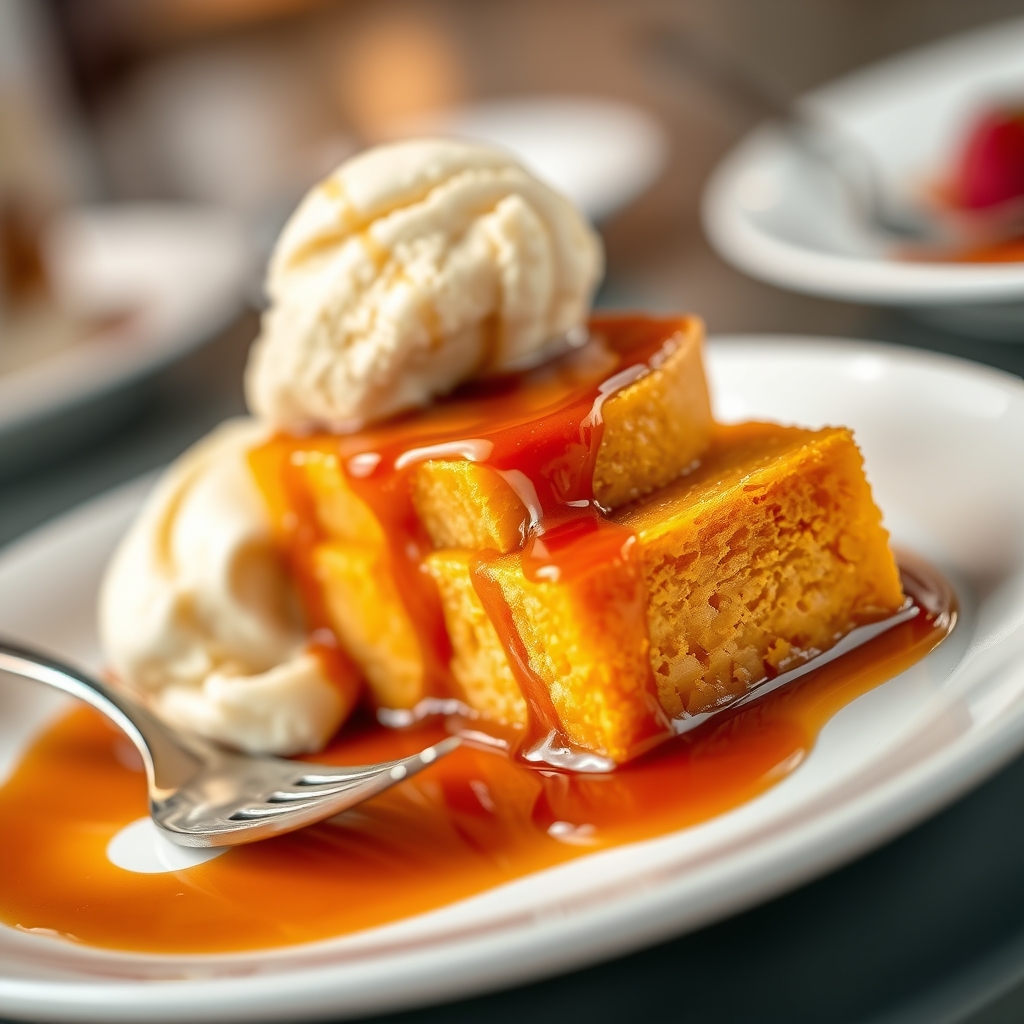
Behind every great dessert is an equally great presentation. To serve Malva pudding traditionally, you will want to plate it warm, allowing that delightful sticky texture to shine. Place a generous portion on a flat, wide plate, allowing the pudding to slightly overflow if desired. Drizzle over a luscious sauce made from the leftover syrup for that sweet and gooey effect. Finally, add a dollop of whipped cream or a scoop of vanilla ice cream on the side to complement the rich flavors of your pudding.
As the pudding is often enjoyed straight from the oven, you can also serve it directly in the baking dish. This casual approach encourages a comforting and homey vibe, perfect for family gatherings or cozy evenings with friends. The key is to ensure the pudding is warm when served, as the warmth enhances its flavor and the adhesive quality of the syrup.
Pairing with Accompaniments
At times, adding accompaniments can take your Malva pudding experience to new heights. Consider serving your dessert with a robust cup of coffee or a glass of dessert wine to provide a delightful contrast to the sweetness of the pudding. Ice cream, custard, or cream can be paired to provide a refreshing balance, while fresh fruit like berries introduces a tartness that cuts through the richness, adding layers of flavors that enhance your palate.
Hence, the right drink or accompaniment can accentuate your Malva pudding’s sweetness, making each bite more enjoyable. A rich caramel sauce or a drizzle of chocolate can also add a flair of indulgence for chocolate lovers, while a sprinkle of freshly grated chocolate can provide an elegant, visual appeal, transforming the dessert into a show-stopping finale to any meal.
Creative Serving Ideas
Behind the scenes of Malva pudding lies an opportunity for creative presentations that can surprise and delight your guests. One unique way to serve this dessert is in individual ramekins or small jars, allowing for personal portions that are both cute and convenient. You can also take a modern twist by deconstructing the pudding; serve the syrup, whipped cream, or ice cream separately, allowing guests to build their dessert as they wish.
Indeed, there is more to the world of Malva pudding than meets the eye. Consider theming your dessert for seasonal or festive occasions; for example, during the holidays, you could add a touch of cinnamon or nutmeg to the cream topping, making it feel particularly special. Each time you serve Malva pudding, you have the freedom to experiment and express your creativity, all while enjoying the deep-rooted tradition behind this South African staple.
Malva Pudding in Modern Cuisine
Many culinary enthusiasts are rediscovering malva pudding, breathing new life into this traditional South African dessert. As food trends shift towards celebrating heritage flavors, this sticky, sweet delight finds its place among contemporary dessert offerings. Chefs and home bakers alike are taking inspiration from malva pudding to create dishes that resonate with both nostalgia and modern taste preferences.
Contemporary Interpretations
Across various kitchens, you may find innovative spins on malva pudding that blend classic techniques with new ingredients. Some chefs infuse the pudding with exotic flavors such as coconut or citrus zest, while others opt for an artisanal approach, incorporating local produce or organic ingredients. This results in a dish that retains its comforting essence while appealing to a modern audience desiring unique culinary experiences.
Fusion with Other Desserts
Among the more creative adaptations, you can see malva pudding merging with other beloved desserts to create a delightful fusion of flavors and textures. For instance, variations might include incorporating layers of rich chocolate ganache or serving the pudding alongside a scoop of spiced ice cream. These combinations not only enhance the traditional pudding but also elevate its presence on dessert menus.
The trend of fusion desserts allows for exciting pairings, such as a malva pudding sundae topped with caramel sauce and nuts, offering a satisfying blend of tastes. These interpretations bring a fresh twist to the classic recipe, making it more appealing to a wide array of dessert enthusiasts.
Popularity in Restaurants
After gaining recognition on social media and food blogs, malva pudding has increasingly made its way onto restaurant menus across the globe. Many establishments are proud to offer this authentic South African dessert, presenting it as a unique option amidst a sea of traditional offerings. The combination of its nostalgic appeal and pleasing texture has captured the hearts and palates of diners looking for indulgent experiences.
With a growing appreciation for global cuisines, chefs are leveraging the charm of malva pudding to showcase cultural richness in their desserts. You may find this sticky treat served with creative garnishes, such as fresh fruit compote or dollops of whipped cream, making it a delightful finale to any meal. Embracing this dessert in restaurant settings underscores the evolving nature of culinary traditions and invites you to enjoy a taste of South Africa like never before.
Nutritional Aspects
After enjoying a slice of malva pudding, you might find yourself curious about its nutritional profile. This delightful South African dessert, while undeniably delicious, carries certain nutritional aspects worth considering to help you make informed decisions about your dietary choices.
Caloric Overview
Below, you’ll find an overview of the calorie content associated with malva pudding. A typical serving can range anywhere from 300 to 500 calories, depending on the recipe and portion size. The base ingredients, which generally include sugar, flour, and butter, contribute significantly to its caloric density, making it a treat best served in moderation.
While malva pudding does provide enjoyment and comfort, being mindful of your caloric intake is necessary if you aim to adhere to specific dietary goals. Understanding the energy content in this indulgent dessert will help you balance it with your daily nutritional needs.
Dietary Considerations
Across various dietary plans, malva pudding may present some challenges due to its high sugar and carbohydrate content. If you are following a low-sugar or low-carb diet, this dessert might not fit seamlessly into your regimen. It’s important to assess how this sweet treat aligns with your personal health goals.
Moreover, the pudding is typically made with gluten-containing ingredients, which can be an issue for those who are gluten-sensitive or have celiac disease. Being aware of these factors can help you navigate your dessert choices when it’s time to indulge.
Considering your dietary restrictions and personal health requirements is always important when deciding whether to enjoy malva pudding. You may want to explore alternatives that cater to your specific needs while still providing a treat-like experience.
Healthier Substitutions
By making a few substitutions, you can enjoy a healthier version of malva pudding without sacrificing flavor. For example, consider using whole wheat flour or almond flour instead of standard white flour. These options can provide additional fiber and nutrients, enhancing the dessert’s overall healthfulness.
Additionally, using natural sweeteners like agave nectar, honey, or maple syrup can help reduce refined sugar intake. You might even experiment with Greek yogurt or unsweetened applesauce to replace some of the butter in your recipe, which can lower the overall fat content while keeping the pudding moist and delicious.
A well-planned approach to healthier substitutions not only retains the essence of the traditional malva pudding but also ensures that you can indulge in a dessert that aligns better with your health objectives. Enjoying this classic dish in a way that suits your dietary preferences can be both satisfying and guilt-free.
Summing Up
Conclusively, Malva pudding is not just a dessert; it’s a delightful representation of South African culture and hospitality. As you explore this traditional dish, you will find that its unique combination of sweet, sticky texture and rich flavors brings warmth and comfort to any occasion. Understanding the origins and ingredients allows you to appreciate each bite even more, transforming a simple dessert into a cherished experience steeped in history.
Your journey into the world of Malva pudding opens the door to not only satisfying your sweet tooth but also connecting with a rich culinary heritage. Whether you choose to savor it with custard, cream, or on its own, you are engaging in a delicious tradition that embodies the spirit of South Africa. So, as you indulge in this sticky delight, you will find yourself not just tasting a dessert, but enjoying a piece of cultural storytelling that has delighted generations.