Complete Guide to Middle Eastern Sweets and Their Ingredients
There's a concise guide to Middle Eastern sweets so you can master traditional ingredients, techniques, and menus; authentic ingredients matter, watch for nut a

This article contains Amazon affiliate links. As an Amazon Associate, CandiesAndSweets earns from qualifying purchases.
 Save
Save
There’s a concise guide to Middle Eastern sweets so you can master traditional ingredients, techniques, and menus; authentic ingredients matter, watch for nut allergens, and enjoy intense floral and nutty flavors.
Essential Ingredients and Flavor Foundations
Expect the pantry to center on syrups, floral waters, spices, and nuts; you will balance high sugar ingredients with aromatic components to shape each dessert’s identity. You should use spices like cardamom and cinnamon alongside rosewater or orange blossom to create lasting, layered flavors.
Across recipes you’ll notice techniques-syrup reductions, caramelization, and soaking-that concentrate taste; you must assess sweetness by sample rather than by numbers alone. You can counter cloying textures with citrus or yogurt and should flag allergen risks when serving mixed nuts.
Natural Sweeteners and Floral Aromatics
Honey, sugar syrups, and date molasses form the backbone of sweetness; you should adjust ratios to control texture and shelf life. Floral waters like orange blossom and rosewater bring delicate notes-use only a few drops to avoid overpowering the dessert.
Syrups also act as mild preservatives, so you can store certain sweets longer, but you must account for high calorie content and potential fermentation if diluted. You will prefer authentic hydrosols to avoid artificial off-notes.
The Role of Nuts, Grains, and Fats
Nuts supply crunch, oil, and structure; you should toast almonds, pistachios, or walnuts to release aromatic oils that define texture and aroma. Grains like semolina and phyllo add body, while clarified butter (ghee) offers a stable, nutty fat ideal for frying and laminating layers.
Almonds, when blanched and ground, form marzipan and fine pastes; you must store nuts refrigerated to prevent rancidity and label dishes carefully because nut allergies are common among guests.
Step-by-Step Guide to Master Preparation
Practice staging your work so you complete syrup, nut prep, and pastry in logical order; you reduce stress and waste. Use mise en place to have measured spices, soaked nuts, and tools ready so each turn and bake moves smoothly.
Follow a strict timing and temperature plan: keep fillings near room temperature, dough well chilled, and syrup at its target heat. Use a thermometer and note that temperature affects texture and soak rates.
Master Preparation Checklist
| Stage | Action |
| Pre-mix | Measure sugars, steep aromatics, and soak nuts for even texture |
| Dough | Keep butter cold, chill between folds, and roll gently |
| Syrup | Boil to light thread, add lemon, cool to warm before soaking |
| Final bake | Bake until golden, then pour warm syrup for controlled absorption |
Preparing the Signature Scented Syrup
Keep aromatics measured-use rosewater or orange blossom sparingly-and combine sugar, water, and a little lemon; bring to a light thread stage for proper body. Exercise caution: boiling syrup can cause severe burns, so handle pans and ladles with care.
Heat then cool the syrup to warm before you pour over hot pastry so absorption is even; a splash of lemon prevents crystallization and preserves clarity. Trust that acid stabilizes the syrup and improves shelf stability.
Techniques for Folding and Layering
Blend thin layers of dough and fat while keeping everything cold; you should use a light, even touch to avoid compressing layers, which preserves the flaky texture you want.
Layering requires brushing butter thinly between folds and resting the dough between turns so the gluten relaxes; you will see distinct bands when you roll to final thickness, a sign of correct technique.
Chill the dough between folds to keep the butter firm and prevent leakage; if butter softens you risk greasy, dense pastry, so keep temperatures low and work efficiently.
Key Factors Influencing Taste and Texture
Factors shaping Middle Eastern sweets include ingredient freshness, moisture balance, and technique, all affecting taste and texture.
- ingredient quality – nuts, flour, and pure ghee
- syrup absorption – temperature and syrup concentration
- baking time – color, crumb, and crispness
Perceiving how each element interacts helps you adjust heat and syrup to avoid overheating, achieve even syrup absorption, and produce a golden, flaky finish.
Clarified Butter Quality and Usage
Ghee quality dictates flavor and mouthfeel, so you should use pure ghee or well-filtered butter to keep aromas clean; overheating risks burning milk solids and bitter notes, while measured amounts deliver a rich, silky crumb.
Baking Duration and Syrup Absorption Levels
Baking time and oven temperature control crumb development and syrup uptake, so you must watch for a golden-brown color and test texture; underbaking creates sogginess, overbaking causes dryness and poor absorption.
Longer resting after baking lets hot syrup penetrate more evenly, so pour syrup while the pastry is warm to reach target syrup absorption; adjust syrup thickness carefully-too thin causes oversaturation, too thick prevents proper penetration.
Pros and Cons of Traditional vs. Modern Methods
You weigh authenticity against efficiency when choosing methods, and the table below helps you compare practical outcomes so you can decide what matters most for each recipe.
Traditional approaches deliver richer flavor and texture but often demand time, skill and careful handling of hot sugar, while modern shortcuts offer speed at a possible cost to nuance.
| Pros | Cons |
|---|---|
| Richer flavor | Time-consuming |
| Precise texture control | Labor intensive |
| Cultural authenticity | Skill barrier |
| Freshness and handmade appeal | Inconsistent batch-to-batch |
| Ingredient purity | Higher ingredient cost |
| Artisanal presentation | Slow to scale |
| Tradition-driven techniques | Safety hazards (e.g., hot sugar burns) |
| Superior mouthfeel | Shorter shelf-life |
Manual Dough Stretching vs. Pre-made Filo
Hand-stretching gives you precise control over thickness and layering, producing crisp, flaky results that reflect skill and care.
Pre-made filo saves time and ensures consistency, so you can produce large batches quickly, though you may sacrifice a bit of delicate texture and face added preservatives.
Authentic Ingredients vs. Contemporary Substitutes
Using true ingredients like saffron, mastic, and real pistachios provides the aromatic depth and textural integrity you expect from classic recipes.
Substitutes lower cost and increase availability, but they often mute complexity and can introduce unexpected flavors or allergens you must disclose.
Saffron exemplifies trade-offs: pure saffron boosts floral aroma and color, while turmeric or synthetic dyes mimic color but not nuance, so you should test substitutes and label changes for guests.
Professional Tips for Serving and Preservation
You should present Middle Eastern Sweets to balance texture, color, and aroma so guests notice signature ingredients like rose water and pistachios. Use small portions, clear allergen labels, and plan service order from least to most syrupy to protect finish.
- Use chilled plates for creams and serving at 4°C when needed
- Keep flaky pastries dry and reserve syrup as a finishing touch for preservation
- Separate nut-topped items to avoid cross-contamination
Serve plated sweets with minimal handling to maintain crispness and avoid spoilage.
Optimal Temperature and Garnishing Standards
Temperature & Garnish Standards
| Sweet | Standard |
|---|---|
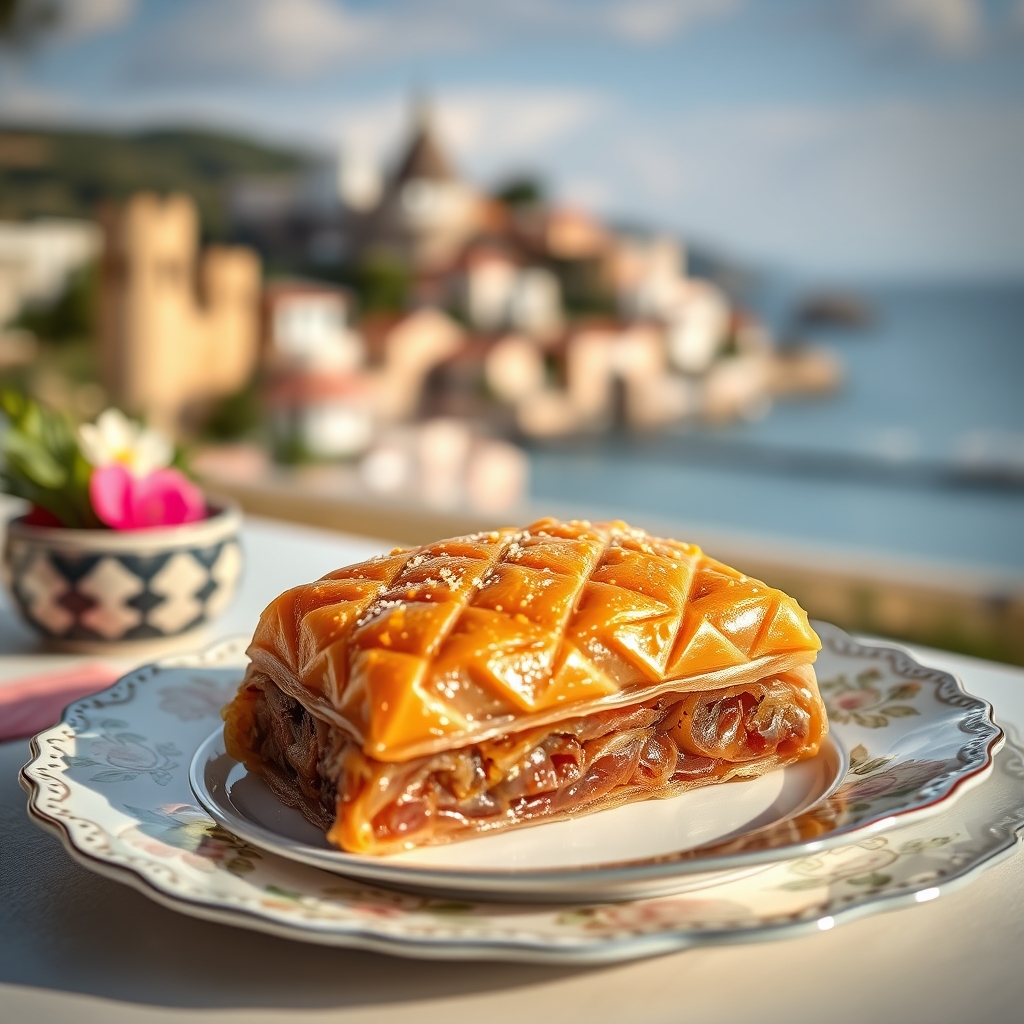
| Baklava | Room temp; syrup set; garnish with chopped pistachios |
| Ma’amoul | Room temp; powdered sugar just before service |
| Muhallabia / dairy creams | Chilled at 4°C; add garnish seconds before plating |
Keep warm-holding minimal and apply delicate garnishes at the last moment so textures remain distinct and presentation stays clean.
Storage Solutions for Maintaining Freshness
Store sweets in separate, airtight containers and group by moisture content so you prevent flavor transfer; refrigerate cream-based items and keep syrup-soaked pastries at stable room temperature when possible to limit condensation.
Any method you adopt should include labeling, humidity control, and a clear rotation plan to reduce waste and avoid spoilage.
Summing up
With this in mind you can identify common ingredients like honey, rosewater, phyllo, pistachios and semolina, and understand how techniques shape texture and flavor. You will spot regional variations, pairing suggestions and storage tips that help you recreate authentic sweets at home. Use the guide to select ingredients and methods that match the sweetness, crunch or syrup absorption you want.