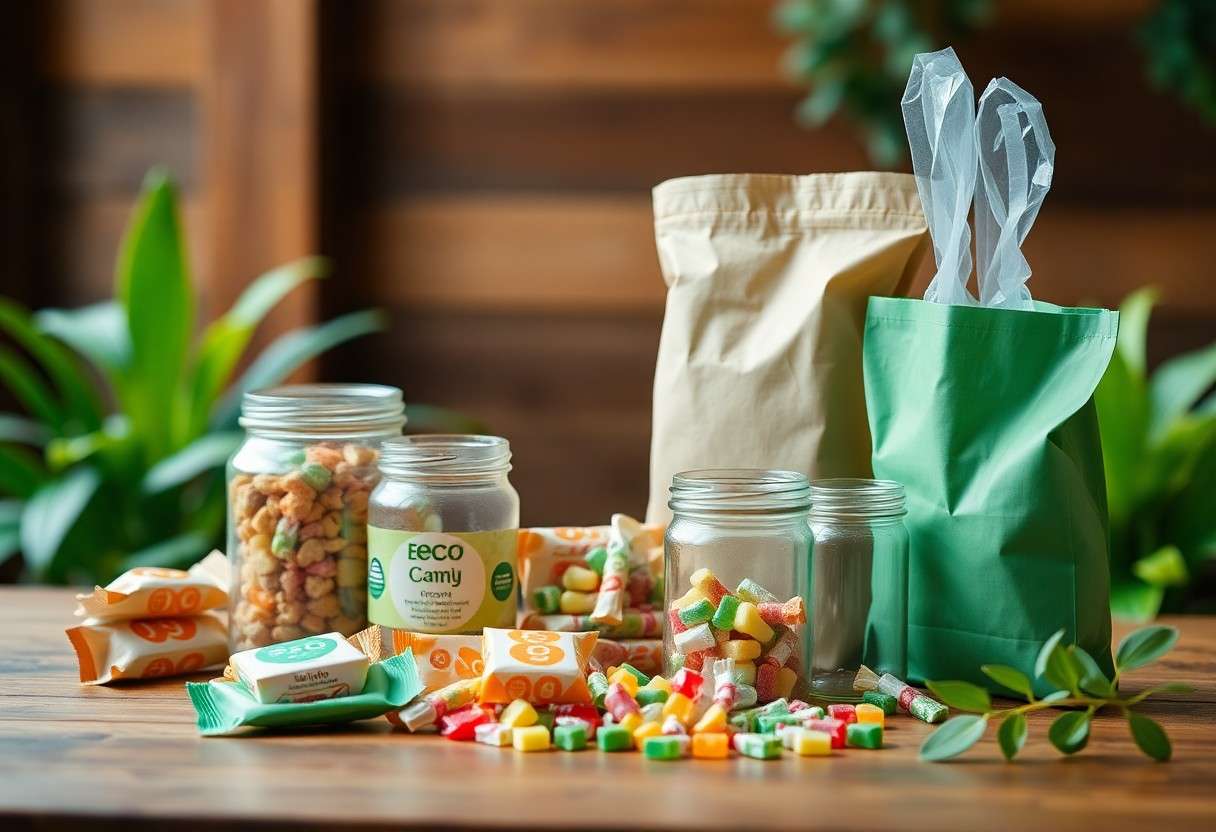
Natural Sweeteners That Replace Sugar in Candy
Many consumers are seeking healthier alternatives to sugar in their candy choices. By using natural sweeteners, you can enjoy delicious treats without the guilt

This article contains Amazon affiliate links. As an Amazon Associate, CandiesAndSweets earns from qualifying purchases.
 Save
Save
Many consumers are seeking healthier alternatives to sugar in their candy choices. By using natural sweeteners, you can enjoy delicious treats without the guilt associated with refined sugars. This blog post will explore various natural sweeteners that can effectively replace sugar in candy recipes, offering you insight into their benefits, flavor profiles, and how to incorporate them into your favorite confections. Whether you’re looking to reduce your sugar intake or simply want to experiment with new ingredients, these options will help you create delightful, guilt-free candies.
Understanding Sugar Alternatives
Types of Natural Sweeteners
When you explore sugar alternatives, you’ll discover a variety of natural sweeteners that can satisfy your sweet tooth without the drawbacks of refined sugar. These alternatives come from various sources, including plants and fruits, and often provide additional nutrients or health benefits. Popular options include honey, maple syrup, agave nectar, and stevia. Each of these sweeteners carries its unique flavor profile and sweetness level, allowing you to tailor your candy recipes to your specific preferences.
Honey, for instance, is not only sweeter than sugar but also boasts antimicrobial properties and antioxidants. Maple syrup is another excellent option, rich in minerals like manganese and zinc and can be a more complex flavor enhancer in candies and confections. Agave nectar, derived from the agave plant, provides a low glycemic index choice—appealing for those concerned with blood sugar spikes. Stevia, on the other hand, is a calorie-free sweetener extracted from the leaves of the Stevia plant, making it an ideal choice for those on a calorie-restricted diet.
Below is a table that outlines the unique characteristics of these natural sweeteners:
| Sweetener | Key Benefits |
|---|---|
| Honey | Rich in antioxidants, adds moisture |
| Maple Syrup | Contains crucial minerals and vitamins |
| Agave Nectar | Low glycemic index, sweet taste |
| Stevia | Calorie-free, natural origin |
| Coconut Sugar | Contains nutrients like iron and zinc |
Any of these sweeteners can serve as practical substitutions in your candy-making endeavors, providing you with a versatile toolbox to create delicious treats that align with your health goals.
Benefits of Using Natural Sweeteners
Switching to natural sweeteners offers various advantages that can enhance your overall health and well-being. Many natural sweeteners come packed with nutrients and antioxidants that processed sugars lack. For example, honey contains both antioxidant compounds and anti-inflammatory properties, while maple syrup provides a wealth of minerals. By opting for these alternatives in your candies, you’re not only reducing empty calories but also adding beneficial compounds to your diet.
Incorporating natural sweeteners can also help mitigate blood sugar spikes and crashes compared to highly refined sugars. Many natural sweeteners, like agave nectar and stevia, process differently in your body, leading to a more stable energy release throughout the day. This means you can enjoy your sweets without the subsequent sugar crashes, helping you maintain a balanced mood and energy levels. In contrast, refined sugars can lead to sudden spikes in your blood sugar, resulting in fatigue and cravings shortly after.
Moreover, these sweeteners allow for creative experimentation in your candy recipes. You can tailor flavors and sweetness levels to complement the ingredients you use. Many individuals find that the unique flavors of natural sweeteners play well with other components, from fruity profiles to earthy notes, enhancing the overall taste experience. By choosing natural sweeteners, you can craft delicious candies that align with a healthier lifestyle while still indulging your taste buds.
Popular Natural Sweeteners for Candy
Honey
When exploring natural sweeteners for candy, honey stands out as a time-honored favorite. Its complex flavor profile and natural viscosity create a delightful mouthfeel that can elevate your confections. Honey contains various antioxidants, enzymes, and vitamins which contribute not only to its taste but also to its health benefits. You can substitute honey in recipes that call for sugar, but keep in mind that its sweetness is more potent, so you may need less than you would with granulated sugar.
Different types of honey can also influence the final taste of your candy. For instance, clover honey is mild and floral, while buckwheat honey has a robust and earthy flavor, making it ideal for spiced candies. You might consider combining various honeys to achieve a more nuanced flavor in your candy creations. Additionally, using raw honey retains more nutritional benefits compared to processed versions, making your candies not only tasty but also more wholesome. You might also enjoy our guide on The Science of Sugar Free Taste and Texture.
Be aware of the fact that honey has a high fructose content, which might not sit well with everyone. In some cases, it can lead to a unique texture in your candy that may differ from using traditional sugar. However, the combination of its natural sweetness and health-enhancing properties make honey a compelling choice for those looking to reduce refined sugars in their diet.
Maple Syrup
Maple syrup is another fantastic natural sweetener, offering a distinct flavor that can enhance both candies and baked goods. Derived from the sap of sugar maple trees, this syrup contains a wealth of minerals such as manganese and zinc, making it a healthier alternative to refined sugars. While it’s typically thinner than honey, its rich flavor and caramel-like undertones make it a superb option for chewy candies and gummies, creating a unique twist on traditional recipes.
Incorporating maple syrup into your candy-making isn’t just about replacing sugar; it also adds a unique flavor complexity that brings warmth and depth to your creations. You can think of using maple syrup in recipes for nut brittles or chocolate treats, where its distinct taste complements the other ingredients. By varying the grade of maple syrup—from light to dark—you can control the intensity of flavor in your sweets, allowing for more customization in your candy-making process.
One engaging aspect of using maple syrup in candy is its versatility. It pairs beautifully with spices, nuts, and creams, making it an excellent component in various confectioneries. Since it’s liquid, you might need to adjust the other liquid components in your recipe to maintain the right texture. However, with its unique taste and health benefits, maple syrup can transform ordinary candies into something extraordinary.
Agave Nectar
Agave nectar is celebrated for its low glycemic index, an appealing feature for health-conscious candy makers looking to minimize sugar spikes in consumers. Extracted from the agave plant, this liquid sweetener is around one and a half times sweeter than sugar, allowing you to use less without sacrificing flavor. Its mild taste makes it an adaptable choice for a wide array of candies, from hard candies to syrups, providing the sweet base without overpowering other flavors.
The smooth texture of agave nectar allows it to blend seamlessly into recipes, making it a breeze to incorporate into your candy-making process. Whether you’re whipping up truffles or taffy, this natural sweetener creates an appealing gloss and mouthfeel, enhancing the overall sensory experience. If you’re experimenting with flavors, agave works well with vanilla, chocolate, and citrus, allowing for a lot of creativity in your candy creations.
Another notable advantage of agave nectar is that it has a long shelf life, making it a practical sweetener to keep in your pantry. While its sweetening power is high, some might find that it can impart a slightly syrupy aftertaste; therefore, testing in small batches to find the right balance is imperative for achieving the desired flavor in your candies.
Sugar Alcohols and Their Uses
Sugar alcohols have emerged as a popular substitute for sugar in candy-making, offering sweetness with fewer calories and a lower glycemic index. These compounds, which are neither fully sugars nor alcohols, have unique properties that make them appealing for those looking to reduce sugar intake. They can provide the sweetness you desire without the rapid spike in blood sugar levels typically associated with traditional sugars. This is particularly beneficial for individuals managing diabetes or those pursuing a low-carb diet. Notably, sugar alcohols also have the added advantage of being less fermentable by oral bacteria, which means they can contribute to dental health in ways that regular sugar does not.
Erythritol
Erythritol is one of the most widely used sugar alcohols, valued for its clean, sweet taste and minimal side effects. It contains about 70% of the sweetness of sucrose but only 0.2 calories per gram, making it an ideal choice for reducing caloric intake. When you incorporate erythritol into your candy recipes, you’ll find that it doesn’t just provide sweetness; it also enhances texture and can improve the overall mouthfeel of your finished product. Erythritol is absorbed in the small intestine and only partially metabolized, leading to its remarkable low-caloric content, and it is excreted mostly unchanged by the body, which helps prevent digestive discomfort often associated with other sugar alcohols. You might also enjoy our guide on Essential Sugar Alcohol Alternatives Explained.
This sweetener has garnered attention for its versatility in various candy applications, from gummies to chocolates, because it maintains stability under heat. You can confidently bake with erythritol without worrying about losing its sweetness or compromising the final texture of your candy. Additionally, it doesn’t contribute to browning reactions that occur with regular sugars, making it perfect for confections where color plays a vital role. Brands are increasingly discovering that erythritol can work synergistically with other sweeteners, balancing sweetness and flavor profiles effectively, allowing you to create a wide range of low-sugar candy options.
Xylitol
Xylitol, another popular sugar alcohol, offers a unique sweetness profile with a taste that closely resembles that of sugar, making it a favorite in sugar-free candy formulations. With a sweetness level similar to that of sucrose but with 40% fewer calories, xylitol serves as a great substitute that can elevate your candy without sacrificing flavor. Its ability to promote oral health has made it popular in products like sugar-free gum and mints, as it can help reduce the risk of cavities. This occurs because it inhibits the growth of bacteria in the mouth, creating a more favorable pH balance.
Beyond its dental benefits, xylitol has been studied for its potential role in weight management and metabolic health. Unlike other sweeteners, xylitol does not cause insulin surges, which can enhance feelings of fullness and stability in energy levels. As you consider using xylitol in your candy recipes, be mindful of its glycemic index rating, which is considerably lower than that of sugar. This is particularly important for those who are watching their blood glucose levels or are on calorie-restricted diets, as it can allow for a sweeter experience while supporting overall health.
When working with xylitol, it’s crucial to keep in mind that, like many sugar alcohols, it can have a laxative effect if consumed in large quantities. It’s recommended that you introduce xylitol gradually into your diet to assess tolerance levels. However, its advantages make it worthwhile, allowing you to formulate indulgent candies that align with health-conscious trends while still satisfying your sweet tooth.
Best Practices for Incorporating Sweeteners in Candy
Flavor Balancing
When you switch to natural sweeteners, understanding flavor balancing becomes important. Many natural sweeteners, like agave nectar or coconut sugar, have distinctive flavor profiles that can influence the overall taste of your candy. To achieve a harmonious blend, consider complementing these sweeteners with other ingredients that enhance their flavors. For instance, pairing honey with cinnamon can create a warm, inviting taste, while adding a pinch of sea salt can intensify the sweetness and complexity of maple syrup. Experimenting with different combinations allows you to find the right balance that appeals to your palate.
You might also want to take into account how sweetness intensity varies among different natural sweeteners. For example, stevia is significantly sweeter than granulated sugar, so using it in excess can lead to an overwhelming taste. It’s important to start with a smaller amount and gradually adjust until you achieve your desired sweetness level. You may find that a combination of sweeteners yields the best results, helping to maintain sweetness without compromising the flavor profile of your candy.
Additions like fruit purees or extracts can also contribute to flavor balancing. Ingredients such as lemon or orange zest can uplift the taste of darker sweeteners like molasses or brown rice syrup. This approach not only enhances flavor but also adds a new layer of complexity to your candy. As you develop your recipes, consider creating flavor profiles that intrigue the palate and elevate the candy-making experience.
Consistency and Texture
The choice of natural sweeteners greatly influences the consistency and texture of your candy. Fructose-rich sweeteners such as honey or fruit syrups tend to retain moisture, which can create a chewier texture in gummy candies. Conversely, sweeteners like erythritol or monk fruit extract may yield a drier result, potentially leading to a more brittle or crispy product. Knowing the characteristics of each sweetener will help you tailor your recipes to achieve your desired texture. For example, if you want a soft, chewy candy, incorporating a bit of honey alongside some glucose syrup can help achieve that consistency.
You should also consider the temperature at which your sweeteners caramelize. For instance, coconut sugar has a lower melting point than traditional granulated sugar, so it may require adjustments in cooking time and temperature to avoid burning. The resulting texture will also vary, as caramelizing different sweeteners can yield various levels of firmness and chewiness. It’s beneficial to conduct small test batches to determine how each sweetener behaves under heat and how it interacts with other ingredients.
Additionally, the use of binding agents like pectin, gelatin, or agar can further assist in achieving your desired texture. When utilizing natural sweeteners, adjusting the quantity of these binding agents may be needed to cater to the unique properties of the sweeteners being used. Don’t hesitate to experiment with different combinations until you locate the perfect balance for your candy’s mouthfeel and structure.
Health Considerations
Caloric Comparison
When considering natural sweeteners as substitutes for sugar in candy making, it’s important to evaluate their caloric content carefully. Each sweetener offers a varying amount of calories per serving, which can impact your overall dietary goals. For instance, honey contains approximately 64 calories per tablespoon, while agave syrup is around 60 calories. In contrast, sugar, known for its quick energy boost, averages about 49 calories per tablespoon. Choosing a sweetener with a lower caloric density can make a significant difference in your candy recipes, especially if you’re aiming for a lower-calorie treat. You might also enjoy our guide on Essential Monk Fruit Sweetener Benefits in Confectionery.
Below is a comparison of the caloric content of popular natural sweeteners alongside regular sugar:
| Sweetener | Calories per Tablespoon |
|---|---|
| Regular Sugar | 49 |
| Honey | 64 |
| Agave Syrup | 60 |
| Maple Syrup | 52 |
| Stevia | 0-1 |
The above comparison highlights that while some natural sweeteners like honey are higher in calories, options like stevia provide an almost caloric-free alternative. Depending on your dietary restrictions or calorie goals, you may prefer certain sweeteners to keep the calorie count of your candy creations in check. Adjusting the quantity used is another way to manage calorie intake effectively while still satisfying your sweet tooth.
Impact on Blood Sugar
Evaluating how different natural sweeteners influence blood sugar levels is vital, especially for those managing diabetes or aiming to maintain stable energy throughout the day. Sugar, when consumed, causes a rapid spike in blood glucose, which can lead to energy crashes and cravings shortly thereafter. This is due to its high glycemic index (GI). In contrast, sweeteners like stevia and erythritol are classified as having a low GI and may not lead to significant spikes in blood sugar, making them more favorable alternatives for people needing to control their glucose levels.
Moreover, honey and agave syrup fall somewhere in between. While they do raise blood sugar, their impact is generally less severe than that of refined sugar. Agave syrup, for instance, has a lower GI than table sugar but is still high in fructose, which can have other health implications when consumed in large quantities. Therefore, when you choose your sweeteners, it’s important to assess not only the calories but also how they interact with your body’s metabolic processes, forming part of your overall dietary strategy for health and wellness.
Incorporating these insights into your candy-making endeavors allows you to create treats that are more aligned with your health goals. Experimenting with low-GI sweeteners can lead to delicious options that satisfy your cravings while supporting better blood sugar management, transforming your candy into a treat you can enjoy without the guilt.
To wrap up
With these considerations, you can see that the shift towards natural sweeteners offers a range of benefits that enhance your candy-making experience. By opting for options like honey, maple syrup, or agave nectar, you can enjoy a more wholesome approach to satisfy your sweet tooth. These natural alternatives not only add flavor and depth to your confections but also provide nutrients that refined sugars lack, allowing you to indulge in a way that aligns better with your health goals.
Your exploration of natural sweeteners can also empower you to make informed choices in the kitchen. Understanding how various sweeteners behave when cooked or mixed helps you master the art of candy making. For instance, some sweeteners caramelize beautifully, while others may require adjustments to achieve the desired texture. By experimenting with these alternatives, you can discover a variety of flavors that elevate your candy recipes beyond traditional sugar levels.
Lastly, embracing natural sweeteners in your candy can lead to a more thoughtful and enjoyable eating experience. You can take pride in creating treats that not only fulfill your cravings but also reflect your commitment to healthier, more sustainable practices. Each batch of candy becomes a testament to your ability to innovate and adapt, proving that satisfying your sweet desires doesn’t have to come at the cost of your wellbeing or that of the environment.