Proven Stress Relief Candy Trends for 2026
Relief is within reach as you explore proven stress-relief candy trends for 2026, from adaptogenic gummies and functional chocolate to mood-balancing chews; thi

This article contains Amazon affiliate links. As an Amazon Associate, CandiesAndSweets earns from qualifying purchases.
 Save
Save
Relief is within reach as you explore proven stress-relief candy trends for 2026, from adaptogenic gummies and functional chocolate to mood-balancing chews; this guide equips you with evidence-based options, ingredient insights, and practical tips to select treats that support your calm, help regulate cortisol, and fit your lifestyle and dietary needs.
The Science Behind Stress Relief Candies
Ingredients that Promote Relaxation
When you inspect ingredient lists, you’ll see targeted actives like L‑theanine, magnesium, ashwagandha, GABA, and low-dose CBD because each engages a different relaxation pathway: L‑theanine (commonly 50-200 mg per serving) increases alpha‑wave activity within 30-60 minutes and promotes a calmer cognitive state; magnesium (often 50-150 mg) supports muscle relaxation and neurotransmitter balance; standardized ashwagandha extracts (frequently 300 mg twice daily in clinical trials) have produced large reductions in perceived stress scores (some studies report ~40-45% improvement over placebo within 6-8 weeks). You should also watch for specific probiotic strains (for example, Bifidobacterium longum 1714) and adaptogenic blends that target the gut-brain axis or modulate cortisol reactivity, with product labels now giving strain IDs and CFU counts (typical ranges 10^8-10^10 CFU per serving).
Because many of these compounds are heat- or pH‑sensitive, manufacturers use microencapsulation, enteric coatings, or post‑cook infusion to preserve potency; that means you can expect some brands to advertise liposomal L‑theanine or encapsulated CBD to improve bioavailability. You should also check dosing per piece: many candies deliberately deliver sub‑therapeutic “microdoses” (e.g., 10-25 mg CBD, 50 mg magnesium) for casual daytime use, while clinical outcomes typically require higher, repeated dosing-so match the product format (lozenge for sublingual uptake, gummy for sustained oral absorption, hard candy for slow dissolution) to the speed and magnitude of relief you want.
How Sugar Affects Stress Levels
Sugar gives an immediate reward signal-boosting dopamine and briefly lowering subjective stress-but that effect is transient and tied to blood‑glucose dynamics: a serving containing 20-30 g of simple sugars will spike glucose and insulin within 15-30 minutes, often followed by a rebound dip 60-120 minutes later that can heighten anxiety, irritability, and cortisol release in susceptible people. If you rely on high‑sugar candies for acute relief, you may find the short‑term mood lift is followed by a physiological swing that makes stress worse across the afternoon.
Product designers have responded by formulating low‑glycemic alternatives-using erythritol, allulose, or monk‑fruit blends-to keep per‑serving added sugar below ~10 g and limit metabolic stress. You should prefer candies that combine low‑glycemic sweeteners with stabilizing ingredients (fiber, protein isolates, or fat) to blunt glucose excursions; epidemiological and mechanistic studies link chronic high added‑sugar intake to systemic inflammation and microbiome shifts that correlate with poorer stress resilience, so formulation matters for both acute and long‑term effects.
For practical use, choose candies that specify grams of added sugar per piece (aim for ≤10 g) or use products marketed as “allulose/erythritol sweetened,” and pair a sweet chew with a small protein or fiber source to reduce the glycemic rebound-this approach preserves the immediate reward circuitry benefits while minimizing the insulin‑cortisol cascade that can amplify stress later in the day.
Popular Candy Trends for 2026
You’ll find 2026 dominated by purposeful indulgence: products that deliver targeted effects alongside familiar candy formats. Functional formulations-think mood, sleep, focus-have moved from niche to mainstream, with edible brands and major CPGs co-launching hybrid SKUs that appear both in supplement aisles and impulse displays. Expect to see more low-sugar, clean-label recipes (sweeteners like allulose and monk fruit) and shrink-wrapped single-serve dosing that helps you track intake.
Supply-chain and sustainability pressures are also shaping product design: recyclable or compostable packaging, ingredient traceability, and third-party testing certificates are now purchase drivers. You should watch for collaborations where supplement companies license clinical ingredients into confectionery formats, making it easier for consumers to choose clinically supported doses in a candy-like experience.
Functional Gummies
You can pick up gummies formulated with adaptogens (ashwagandha at ~50-200 mg), nootropics (L-theanine 50-200 mg), or targeted vitamins (B12 500-1000 µg, vitamin D 1000-2000 IU) that aim to support energy, stress resilience, or sleep. Brands such as Olly and Vitafusion demonstrated the commercial viability of vitamin-forward gummies, and newer entrants are stacking clinically studied actives into single servings while keeping sugar to 1-3 g per piece using polyols or novel sweeteners. You might also enjoy our guide on How Adaptogenic Candy Supports Stress Relief Naturally.
Formulation advances are helping you get consistent effects: microencapsulation reduces bitter aftertastes, layered-release matrices extend effect windows, and clear labeling shows per-piece active amounts so you can dose precisely. Retail data from recent category analyses indicate functional gummy launches represented a large share of new confectionery innovation through 2024-25, signaling continued R&D investment into texture, flavor-masking, and dose-standardization.
CBD-infused Treats
You’ll see CBD gummies remain one of the fastest-evolving segments, with most products offering 5-25 mg CBD per piece and common bottle totals between 300-750 mg. Market leaders such as Charlotte’s Web, Lord Jones, and Sunday Scaries have cemented consumer trust by publishing third-party COAs; you should look for lab results that verify cannabinoid potency and confirm <0.3% THC for hemp-derived products where that threshold applies.
Pay attention to formulation differences: full-spectrum candies leverage minor cannabinoids and terpenes for an entourage effect, while isolates guarantee zero THC. Many consumers now microdose (5-10 mg) for daily stress management, even though clinical anxiety studies have used much higher single doses (around 300-600 mg), so you should match product choice to your goals and verify purity, dosing, and state-level legality before purchase.
Health and Wellness Trends Impacting Candy Choices
Rise of Adaptogens
You’ll find ashwagandha, reishi, rhodiola and holy basil popping up in gummies, lozenges and chocolate bites as manufacturers chase measurable stress-relief positioning. Clinical work supports the shift: a randomized, double-blind trial of an ashwagandha root extract (64 adults, 60 days) reported statistically significant reductions in perceived stress and serum cortisol versus placebo, which is why many formulators now aim for functional servings in the 125-300 mg range per portion.
When you evaluate product launches, pay attention to extraction type and taste-masking-mushroom and root extracts carry bitter or earthy notes that brands counter with microencapsulation, fruit concentrates or complementary botanicals. Regulatory framing matters too: you can market adaptive benefits and wellness-oriented language, but must avoid disease claims; in the U.S. that distinction is enforced by the FDA and influences label copy, ingredient disclosure and supporting clinical claims you can cite.
Demand for Vegan and Organic Options
Younger buyers and health-focused adults are pushing confectioners toward vegan gel systems and organic sourcing, with plant-based gummies using pectin, agar-agar or modified tapioca starches instead of gelatin. USDA organic labeling requires at least 95% organic ingredients for the organic seal, so brands that advertise “organic” must plan ingredient sourcing and documentation from the outset. Examples you can reference include organic fruit-pectin gummies and chocolate bars that use cocoa certified under organic standards and organic cane sugar to meet shopper expectations.
Formulation trade-offs show up quickly: switching from gelatin to pectin alters gel texture, shelf life and refrigeration tolerance, while organic certification limits the use of some synthetic emulsifiers and certain sweeteners. You should expect cost premiums-many consumers are willing to pay roughly 10-30% more for verified organic snacks-and plan for ingredient variability; organic fruit purees often have seasonal Brix shifts that require batch adjustments to maintain consistent chew and sweetness.
Operationally, you must account for traceability and certification audits when scaling vegan-organic lines: suppliers need Certificates of Organic Operation, you may need segregated production lines to prevent cross-contact with non-organic or animal-derived ingredients, and labeling options include “organic” (95%+), “made with organic ingredients” (≥70% organic) or listing organic components individually-each choice affects consumer perception and price positioning.
Consumer Preferences and Behavior
You’re seeing a clear split between trial-driven younger consumers and habitual buyers aged 30-50 who prioritize measurable results. Direct-to-consumer channels showed double-digit growth through 2024-25, and that growth is driven by subscription models, sample-size packs, and targeted social content that highlights ingredient efficacy and clear dosing.
When you evaluate purchase drivers, efficacy and transparency outweigh novelty: shoppers look for labeled dosages (for example, L‑theanine commonly appears at 100-200 mg and melatonin at 0.5-3 mg), third‑party testing, and clean ingredient lists. Brands that present quantifiable benefits and easy-to-read lab results see higher repeat rates, particularly in competitive grocery and online marketplaces.
Flavor Innovations
You’ll notice botanical and spice-forward profiles moving from niche to mainstream: lavender‑citrus, chamomile‑honey, and turmeric‑ginger blends are being paired with sweet‑sour bases to mask bitterness while signaling functional intent. Functional pairings – for example, L‑theanine with green tea lemon or ashwagandha with cacao‑orange – help you communicate both flavor and benefit in a single bite.
Manufacturing innovations are enabling more complex mouthfeels and timed release: microencapsulation lets calming actives be released over 30-60 minutes, and layered gummies with effervescent centers offer a perceived faster onset. You should expect more use of monk fruit, allulose, and targeted polyols to reduce sugar without sacrificing texture or aftertaste. You might also enjoy our guide on Best Ashwagandha Gummies for Daily Stress Management.
Packaging and Branding Trends
You’ll want to adopt packaging that signals both sustainability and precision dosing: resealable pouches with single‑serve strips or blister packs are common, and clear dosing callouts reduce consumer confusion at point of use. QR codes linking to certificates of analysis and usage guides are becoming standard, helping you build trust and reduce returns.
Branding is shifting toward mood‑first messaging – short benefit claims like “calm now” or “focus fast” combined with muted palettes and tactile finishes increase perceived legitimacy. In-store shelf badges and online thumbnails that display active ingredients and onset time outperform generic creative in A/B tests.
For rollout strategy, you should prioritize trial formats in checkout zones and corporate vending pilots where short-term stress relief performs best; targeted sampling in offices and co‑branded wellness boxes has driven meaningful trial-to-subscription conversion in recent pilots, making it a reliable pathway to scale.
The Role of Social Media in Candy Trends
Short-form video and shoppable posts have turned social platforms into real-time test markets where flavors, functional claims and packaging aesthetics either catch on overnight or fade within a week. You can see trends emerge as hashtag clusters – for example, mood-boosting gummy tags routinely rack up millions of views on TikTok within 48-72 hours, creating immediate demand spikes that retailers and DTC brands must react to with inventory and rapid restock strategies. Data from platform reports and agency casework shows campaigns optimized for native formats drive the fastest trial rates: videos under 30 seconds with product-closeups and clear on-screen benefits outperform static ads for click-through and add-to-cart actions.
When you map social activity to sales, the channel-level story matters: Instagram Reels and TikTok dominate discovery for 18-34 year-olds, while Facebook and Pinterest still play a role in repeat purchase inspiration for older cohorts. You should track impressions, view-through rates and conversion lift separately by platform because the same creative can perform very differently – brands that split ad budgets across creators and paid distribution see steadier growth than those relying on single-creator virality.
Influencer Marketing
You’ll get the most predictable results by balancing scale and authenticity: nano- and micro-influencers (1k-100k followers) often deliver engagement rates in the 3-8% range, whereas macro creators typically post to higher reach but lower engagement, around 1-2%. Running seeding programs with 50-200 micro creators gives you a steady stream of authentic demos and testimonial-style content that drives trial; several mid-market candy brands reported 15-30% lifts in new-customer acquisition after coordinated micro-influencer waves combined with a sitewide promo code.
You should structure deals to prioritize content ownership and reuse rights, because earned creator clips become your highest-performing ad creative when repurposed. For example, brands that negotiated multi-month partnerships and A/B-tested creator spots saw significantly longer sales tails than those that did one-off shout-outs; tying affiliate codes or trackable UTM links to each creator also lets you measure CAC by creator tier and optimize spend toward the highest-LTV partners.
User-generated Content
You can leverage user-generated content (UGC) as a trust engine: reviews, unboxing clips and candid taste-test reactions reduce perceived risk and shorten the purchase decision for trial buyers. Industry benchmarks often show UGC-driven ads achieving 2-3x higher engagement than polished studio spots, and campaigns that surface real-customer clips in feed ads report conversion lifts in the 20-40% range versus brand-only creative. You might also enjoy our guide on Proven Mental Health Benefits of Adaptogenic Treats.
You should proactively solicit UGC by designing low-friction prompts – a simple duets/response challenge, a branded hashtag with a weekly prize, or in-pack QR codes that link to a quick review form. Brands that catalog and tag UGC by theme (flavor, effect, packaging) can repurpose the best assets for paid media, landing pages and retail displays, amplifying social proof across the funnel.
To scale UGC effectively, set clear submission guidelines, offer small incentives (discounts, early-access drops), and implement a lightweight rights-release flow so you can legally reuse customer clips; tracking the source via affiliate codes or UTM parameters lets you quantify which UGC formats – short reaction clips, how-to consumes, or ASMR-style tastings – deliver the greatest lift in trials and repeat purchases.
Market Predictions for Stress Relief Candies
Sales Projections
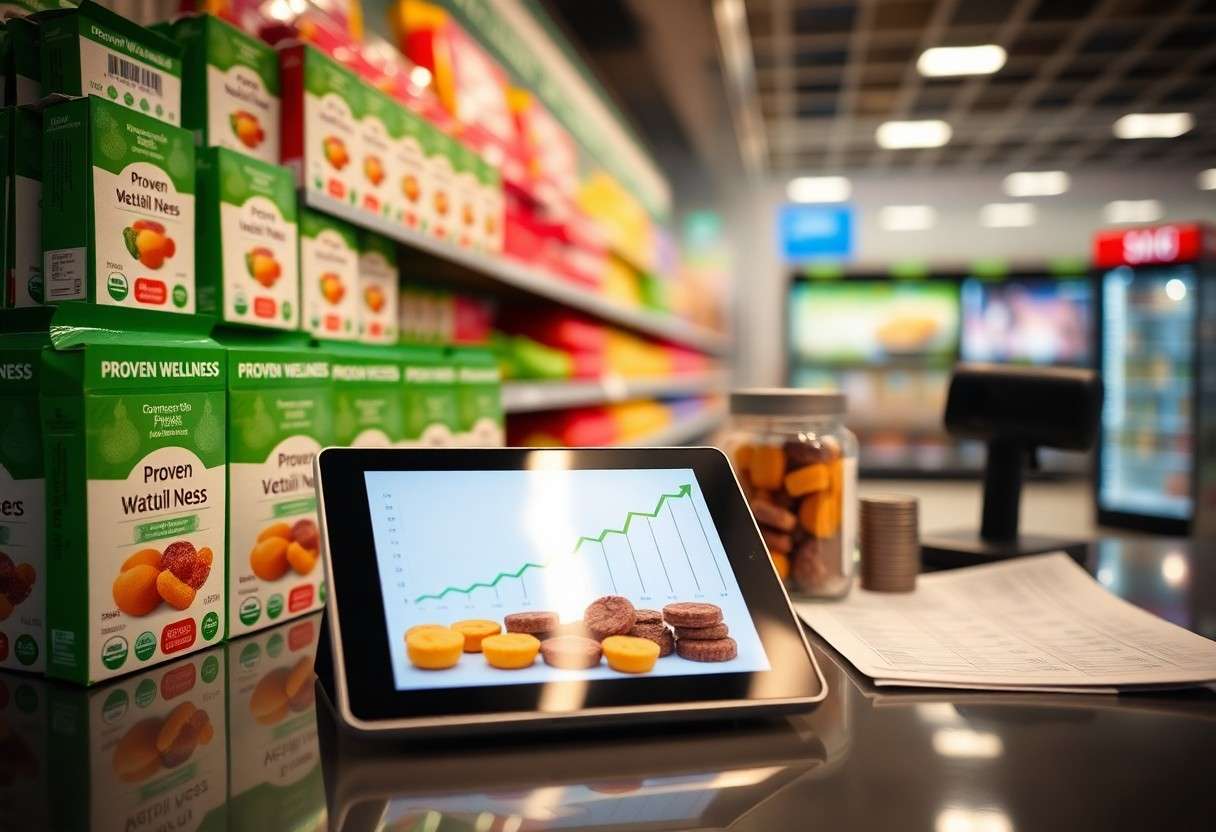
You should plan for accelerated growth: industry estimates point to a roughly 12-15% CAGR for functional confectionery through 2026, with the stress-relief segment alone projected to reach about $2.2-2.6 billion by year-end 2026 as CBD-, adaptogen-, and nootropic-infused SKUs scale globally. Adoption is being driven by workplace wellness programs and subscription models; brands that integrated monthly subscription options saw retention improve by 25-40% in recent pilot rollouts, translating into steadier revenue streams than one-off retail sales.
Channel shifts will shape your go-to-market: direct-to-consumer sales are forecast to account for about 30-40% of category revenue by 2026, while health-food, pharmacy and convenience chains will still represent 50-60% of unit movement. Expect average pack prices to sit between $4-8 for mainstream items and $8-15 for premium, clinically positioned products, which means higher-margin premium lines and bundled subscriptions will drive the majority of profit expansion even if unit growth skews toward value SKUs.
Emerging Brands to Watch
You should watch startups that pair clinical validation with strong DTC execution-brands focused on microdosing (e.g., CalmKind-style formulas), sleep-support chews (NightMelt-type blends), adaptogen-forward lozenges and nootropic mints that target daytime stress. Early movers that secure retail listings in 200-300 stores within 12 months while maintaining a 30-40% subscription attach rate are the ones likely to break out; take note of those publishing third‑party lab reports and small randomized trials showing measurable reductions in self-reported stress scores.
Dig deeper into metrics when evaluating these names: prioritize brands that post consistent month-over-month DTC growth of 15-25%, show CAC-to-LTV payback under 12 months, and provide transparent assay data for active ingredients. You’ll also want to track supply-chain claims-sustainable sourcing and GMP-certified manufacturing are increasingly required by buyers-and watch for multi-channel pilots (corporate wellness, telehealth partnerships) that signal a brand is moving beyond niche direct sales into scalable distribution.
Final Words
Drawing together the proven stress relief candy trends for 2026, you will see a shift toward evidence-backed formulations: controlled microdoses of adaptogens and calming botanicals, functional cannabinoids where legal, clinically supported nootropics for mood and focus, reduced-sugar and prebiotic bases, and sustainability-forward sourcing and packaging. You can rely on clearer labeling, standardized dosing, and integration with digital wellness tools to help you choose products that match your needs and lifestyle.
As you explore offerings, prioritize products with third-party lab verification, transparent ingredient lists, and straightforward dosing guidance so your choices are safe and effective; if you have medical conditions or take medications, consult a healthcare provider before using functional candies. These trends indicate a maturing market where your best option is to favor scientifically validated formulations and traceable supply chains to support consistent stress relief outcomes.