Regional Specialty Candies Celebrate Local Ingredients and Cultural Traditions
Candies offer a delightful reflection of the regions they come from, incorporating local ingredients and honoring cultural traditions. By exploring these specia

This article contains Amazon affiliate links. As an Amazon Associate, CandiesAndSweets earns from qualifying purchases.
 Save
Save
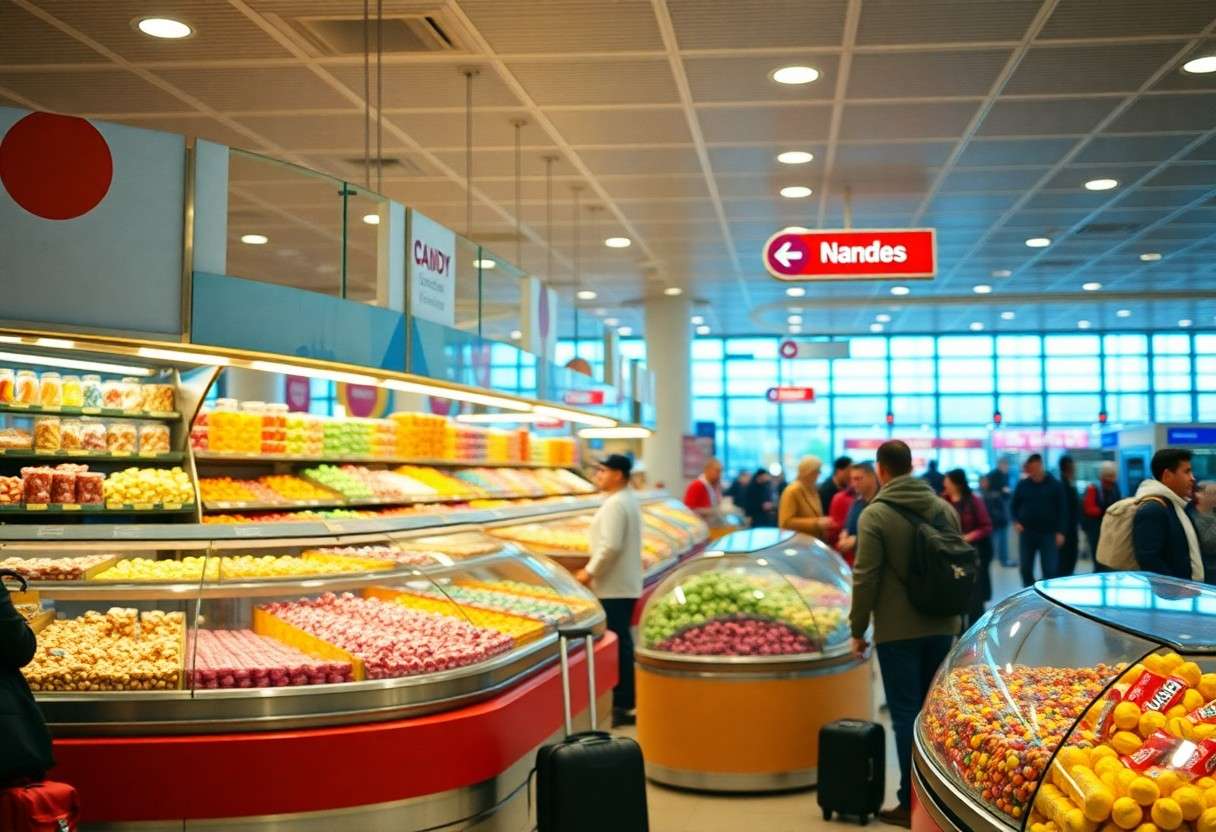
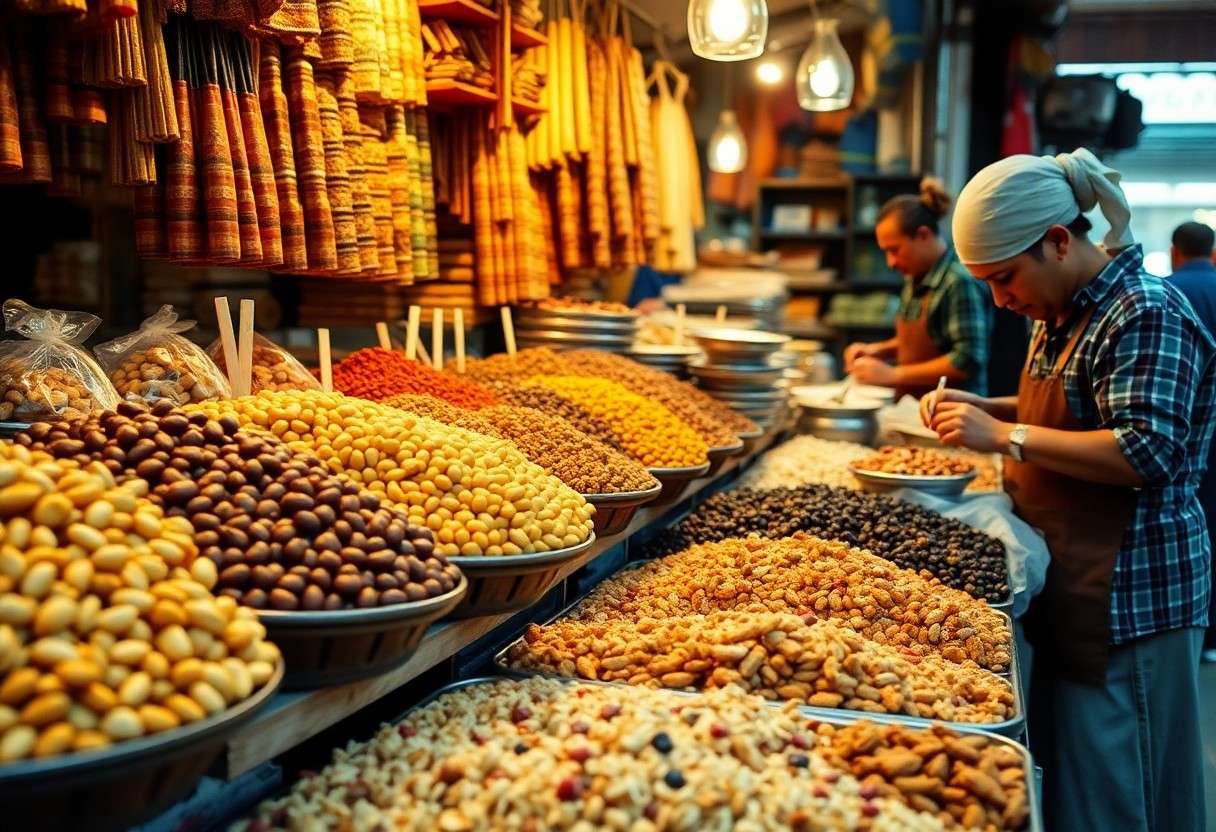
Candies offer a delightful reflection of the regions they come from, incorporating local ingredients and honoring cultural traditions. By exploring these specialty treats, you can discover the unique flavors and stories embedded in each bite. From the sweet confections of small towns to the artisanal chocolates crafted in bustling cities, these candies connect you to the heritage and culinary practices of different communities. Dive into the world of regional specialty candies and celebrate the rich tapestry of flavors that bring people together.
The Role of Local Ingredients in Regional Candies
Sourcing Techniques
Sourcing local ingredients often involves a network of relationships with regional farmers and suppliers. You might find candy makers visiting local markets or directly connecting with growers to understand the best seasonal offerings and unique varietals. For example, artisanal chocolate makers in the Pacific Northwest may source their cocoa beans while integrating locally grown fruits, such as raspberries or hazelnuts, to enhance their confections. This not only supports the local economy but also guarantees fresher, higher-quality ingredients that elevate the finished product.
Many candymakers also prioritize sustainable practices in their sourcing techniques. By choosing organic or sustainably grown ingredients, they contribute to the health of the land and the community. In the South, for instance, candy makers often use local sugarcane or molasses, harvested in methods that respect traditional agricultural practices. These choices allow you to enjoy candies that are not only delicious but also forged from responsible cultivation methods.
Flavor Profiles
Flavor profiles in regional candies often reflect the distinct characteristics of local ingredients. For instance, your taste buds can explore the spicy warmth of molasses used in New England’s gingerbread candies or the tangy notes from citrus fruits found in Florida’s candy shops. Each region’s climate, soil, and available produce play a significant role in shaping these profiles, creating a rich culinary narrative that you can savor with every bite.
In addition to traditional flavors, you might encounter innovative fusions. Northwest candy makers might blend herbal notes from locally sourced lavender into chocolate truffles, while Southern pecan pralines could incorporate a hint of sea salt sourced from nearby shores. These unique combinations not only showcase the versatility of local ingredients but also celebrate the cultural heritage and culinary experimentation that defines each region’s candy-making traditions.
Cultural Traditions Behind Candies
Historical Significance
Your connection to regional specialty candies often reveals a rich tapestry of historical significance. Many candies emerged from traditional recipes passed down through generations, linking cultural identity with culinary practices. For instance, the creation of marzipan in Europe reflects both trade influences and agricultural abundance, utilizing local almonds that define its flavor and texture. In North America, saltwater taffy has roots in coastal communities, symbolizing the importance of local resources like sea salt and sugar from nearby plantations.
Festivals and Celebrations
Candies frequently play a central role in local festivals and celebrations, enhancing the communal spirit and reinforcing cultural heritage. Events like the annual World Chocolate Festival in London or the National Candy Month in the United States showcase an array of confections that highlight local flavors. These gatherings invite artisans to celebrate their craft while connecting with audiences through the delectable offerings that evoke nostalgia or regional pride.
Craftsmanship in Candy Making
Traditional Methods
In many regions, the art of candy making relies heavily on traditional methods passed down through generations. You might encounter artisans who utilize time-honored techniques like hand stirring and slow cooking, often using copper kettles that enhance the flavor and texture of confections. For example, in the production of saltwater taffy, a meticulous process of stretching and pulling the mixture helps develop its signature chewy consistency. These methods not only ensure a superior product but also keep cultural practices alive, fostering a sense of community around each batch produced.
Locally sourced ingredients play a vital role in crafting these traditional treats. You’ll find makers incorporating ingredients unique to their region, such as wild berries in the Pacific Northwest or local honey in the Southwest. This dedication to authenticity not only enriches the flavors but also connects you to the specific agricultural landscape of the area, revealing stories of local farms and producers that have sustained these practices for years.
Modern Innovations
Technology has introduced exciting innovations in candy making that modern artisans are embracing while still paying homage to traditional roots. You might see the use of precise temperature controls and programmable cooking systems, which not only improve efficiency but also enhance consistency in the final product. For instance, speed candy recipes, which rely on rapid crystallization techniques, allow confectioners to experiment with new textures and flavors you may not have experienced before.
Artisan candy makers are also increasingly infusing their creations with unexpected flavors and ingredients, such as exotic spices and savory elements. This blend of modern innovation with rich tradition means your candy experience is continually evolving. Innovations often include collaborations with local craft breweries or coffee roasters, leading to unique combinations like stout-flavored caramels or espresso-infused chocolate truffles, reflecting both the local culture and a willingness to push boundaries.
These modern advancements in candy making not only introduce you to novel tastes but also enhance the overall experience by incorporating quality controls and experiments that result in fresh takes on beloved favorites. By blending traditional craftsmanship with contemporary techniques, candy makers are able to produce unique confections that honor their heritage while appealing to your evolving palate.
Iconic Regional Candies and Their Stories
Sweet Treats from the South
The South is renowned for its uniquely rich flavors, reflected in its traditional candies. One iconic confection is pecan pralines, particularly popular in New Orleans, where the combination of freshly harvested pecans, brown sugar, and cream creates a creamy, crunchy delight that embodies the region’s culinary heritage. You might also come across saltwater taffy along the coasts, which showcases local ingredients and craft, featuring flavors from the oceanfront towns. These sweets are often associated with family gatherings and warm summer evenings, evoking memories of joyful times spent with loved ones.
Confectioneries of the Northeast
The Impact of Tourism on Local Candies
Economic Benefits
Tourism significantly boosts the local candy economy, exposing visitors to unique regional specialties that often can’t be found elsewhere. In areas like Hershey, Pennsylvania, local businesses thrive with the influx of tourists eager to sample iconic chocolates and candies made from local ingredients. According to statistics, candy tourism alone contributes millions to local economies, providing jobs and supporting farmers who supply raw materials for these confections. Candy shops become landmarks, enhancing the overall visitor experience and encouraging spending on souvenirs.
Beyond direct sales, local candymakers gain a reputation that extends far beyond their geographical boundaries. As you explore these artisanal sweets, you contribute to a greater appreciation for local craftsmanship, which can lead to expanded distribution channels and increased export opportunities. Festivals centered around candy not only draw crowds but also promote regional pride, boosting community morale and economic vitality.
Cultural Exchange
The influx of tourists fosters a vibrant cultural exchange, resulting in a dynamic interaction between visitors and local traditions surrounding candy making. You may find yourself intrigued by stories of how specific candies reflect the area’s heritage, with visitors eager to learn about the ingredients and techniques unique to the region. This exchange transforms candy tasting into an educational experience, where you not only savor flavors but also gain insights into cultural narratives woven through the craft of candy making.
Interactions between locals and tourists often lead to inventive culinary collaborations, showcasing an array of international influences on traditional recipes. Workshops hold special appeal, allowing participants to engage hands-on with the candy-making process and explore the cultural significance behind each treat. As you immerse yourself in this experience, you witness how shared flavors can bridge gaps and foster understanding, creating a sense of community both locally and globally.
Sustainability in Candy Production
Eco-friendly Practices
Your choice of candy can have a significant impact on the environment. Many regional candy producers are embracing eco-friendly practices by opting for sustainable packaging, such as biodegradable wrappers or recyclable materials, reducing plastic waste. For instance, some brands have transitioned to using plant-based inks for printing, ensuring that the entire product life cycle minimizes environmental harm. Innovations like solar-powered production facilities also contribute to a lower carbon footprint, showing that sweetness and sustainability can go hand in hand.
You’ll find that several candy makers are learning to adapt traditional recipes by incorporating organic and sustainably sourced ingredients. These changes not only enhance the flavor profile but also support a reduction in pesticide usage and other harmful agricultural practices. By choosing candies made from these ingredients, you can enjoy your treats with the peace of mind that you’re supporting a healthier planet.
Supporting Local Farmers
You play a vital role in this ecosystem when you choose candies made with locally sourced ingredients, making a direct impact on the livelihoods of those farmers. The connection between candy makers and growers can lead to unique collaborations, such as creating flavors inspired by local fruit harvests or seasonal ingredients. These relationships help preserve traditional farming practices while allowing you to enjoy flavors that reflect the essence of your region.
Supporting local farmers through the candy you consume ultimately strengthens not only the local economy but also the agricultural landscape, ensuring that traditional agricultural practices thrive amidst corporate consolidation. By choosing regional specialty candies made with local ingredients, you contribute to a food system that values freshness, taste, and community ties. Your choices can indeed help create a more sustainable future while indulging in the sweet flavors that celebrate your local culture.
To wrap up
Considering all points, regional specialty candies not only tantalize your taste buds but also connect you deeply with local ingredients and cultural traditions. Each bite reflects the unique heritage and stories of the community, showcasing the flavors that define a region. As you explore various candies, you gain insight into the customs, festivals, and histories that shape their creation, allowing you to savor not just the taste but also the rich narratives behind them.
By seeking out these local delights, you forge a stronger bond with your surroundings and support the artisans who continue to keep their traditions alive. Take a moment to Discover Your Favorite Venezuelan Candy and expand your palate while cherishing the cultural diversity found in every region’s sweet offerings.