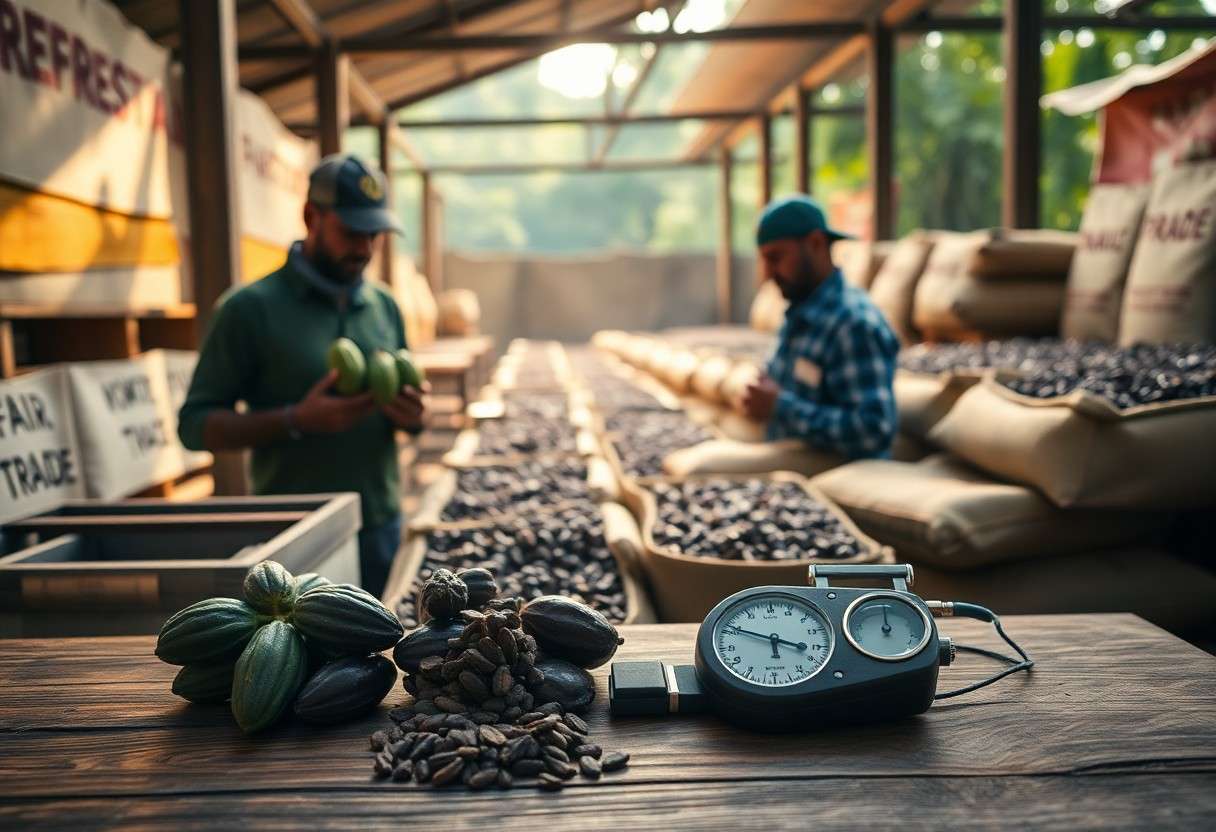
Why Single Origin Cacao Creates Unique Flavor Profiles
You taste chocolate differently when cacao's origin shapes its profile: terroir, genetics, and precise fermentation produce unique aromas and acidity, while imp

This article contains Amazon affiliate links. As an Amazon Associate, CandiesAndSweets earns from qualifying purchases.
 Save
Save
Part of our Single-Origin & Artisanal Chocolate guide.
You taste chocolate differently when cacao’s origin shapes its profile: terroir, genetics, and precise fermentation produce unique aromas and acidity, while improper fermentation or mold can cause off-flavors or safety risks; the payoff is distinctive, traceable complexity prized by chocolatiers.
Defining Single Origin Cacao
Single-origin cacao comes from a single region, estate, or cooperative, so you experience distinct terroir-driven flavors tied to soil, climate, and local practices. You should expect variability between harvests and lots, which is part of what makes each bar or batch revealing.
Origin-focused sourcing gives you traceability and clearer tasting notes, letting you link flavor to place and producer. You must watch for poor fermentation or mold, which can create off-flavors and potential health risks despite single-origin claims.
Geographic and Botanical Specificity
Regions and microclimates shape cacao: altitude, rainfall, soil minerals, and sun exposure make you taste floral, citrus, earthy, or nutty notes. You will also detect how local heirloom or hybrid varieties contribute distinct varietal signatures to the cup.
Distinction from Mass-Market Blends
Blends combine beans from multiple origins to ensure a consistent, familiar product you recognize across brands, but that uniformity often masks origin cues and nuance. You gain predictability, yet lose the unique single-origin character that tells a story of place.
Cupping single-origin against blends helps you hear those stories: you will notice specific fruit, floral, or spice notes and assess fermentation quality, while watching for off-flavors or contamination risks that reveal processing failures.
The Influence of Terroir on Flavor
Terroir shows up in the cup as the unique signature you learn to identify: bean fat, acidity, and aromatic compounds all reflect that specific place. When you taste a single origin cacao, you encounter a distinct flavor fingerprint shaped by local soils, weather, and practices.
Soil Composition and Mineral Enrichment
Minerals and pH determine the nutrients your cacao trees absorb, altering sugar and polyphenol levels that create bitter, floral, or earthy tones. Heavy or contaminated soils can stress trees and raise disease susceptibility, while well-drained, mineral-balanced soils often produce cleaner, more defined notes.
Impact of Microclimates and Altitude
Altitude changes temperature and UV exposure, so you notice higher-elevation beans often present brighter acidity and more pronounced aromatics. Microclimates within a region create pockets where ripening speed and fermentable sugars vary, producing complex, volatile aromatics you can distinguish between farms.
Temperature swings between day and night influence bean metabolism and fermentation outcomes, which means you may get sharper acids or deeper fruitiness depending on those cycles. Humidity variations can increase fungal risk, so the microclimate both enhances desirable complexity and introduces production challenges you must manage.
Genetic Diversity of Cacao Varieties
Cacao’s wide genetic variation gives you unique flavor signatures in single-origin bars while also creating pockets of crop vulnerability that affect consistency and supply.
Heirloom Strains and Flavor Integrity
Heirloom strains preserve ancestral fermentation responses so you can taste lineage-specific notes, from bright florals to deep earth, with intense clarity.
Preservation of Rare Varietal Precursors
Preservation of rare varietal precursors safeguards the genetic building blocks that let you access novel aromas and prevents genetic erosion that would erase those profiles.
Beyond seed banks, you gain when on-farm conservation and targeted breeding maintain those precursors, enabling chocolatiers to recombine traits for signature tasting notes and lower disease risk.
Regional Post-Harvest Processing
Regional microclimates and cultural practices shape how you handle cacao after harvest, producing signature flavors tied to place. Altitude, humidity and drying pace steer enzymatic reactions and microbial succession, creating distinct aromatic and acid profiles that make single-origin beans identifiable to tasters.
Smallholders and local mills choose box design, fermentation length and drying surfaces, so you experience pronounced terroir in the cup. Poor sanitation or rushed drying increases the risk of mold and off-flavors, while careful timing preserves varietal nuance.
Fermentation Protocols and Microbial Activity
Fermentation protocols-heap, box or tray-determine temperature, oxygen exposure and pulp breakdown, and you feel their effects as acidity, fruitiness or bitterness. Monitoring temperature and turning frequency lets you guide beneficial microbial activity toward desired flavor precursors.
Microbes from the bean surface and environment drive sequential yeast, lactic and acetic bacterial stages that build complexity, and you can influence which dominate by sanitation and pulp management. Unchecked contaminants can produce undesirable off-notes that mask origin-specific traits.
Traditional Sun-Drying Methods
Sun-drying on raised beds or patios gently reduces moisture while allowing further flavor development, and you must turn beans frequently to ensure uniform drying and airflow. Consistent sun exposure preserves precursors that yield clean, complex aromas.
Exposure to sudden rain or high nighttime humidity can rehydrate beans and promote mold growth, so you should cover loads promptly and move beans to sheltered racks when weather threatens. Vigilant drying protects single-origin character.
Practice careful staging by targeting appropriate final moisture, avoiding overheating that dulls volatiles, and storing in breathable sacks; you will maintain the bright acidity and subtle floral notes that define a region’s profile.
The Chemistry of Unique Tasting Notes
Chemical changes during fermentation, drying, and storage produce precursors that shape the acids, sugars, and polyphenols you taste, giving each origin its distinct aromatic fingerprint.
Terroir-driven variations in soil, microclimate, and tree genetics alter metabolite profiles so you detect unique fruit, floral, or spice notes tied to a single origin.
Development of Volatile Organic Compounds
Microbial activity during fermentation generates volatile organic compounds – esters, aldehydes, and pyrazines – that you interpret as fruity, nutty, or roasted flavors.
Roasting Profiles for Origin Expression
Profile selection during roasting controls Maillard reactions and volatile release so you can highlight origin-specific aromatics without masking delicate tertiary notes.
Control of time and temperature lets you emphasize bright fruit or deep cocoa; avoid overroasting, which creates bitter, astringent, and potentially harmful compounds that erase origin character.
Traceability and Ethical Sourcing
Traceability gives you direct insight into where beans were grown and how they were handled, so you can connect distinct flavor notes to specific farms and fermentation practices. You can detect pesticide residues or adulteration before production, and insist on ethical sourcing that rewards fair wages and proper postharvest methods.
Transparency in the Bean-to-Bar Pipeline
Documentation you receive-batch IDs, fermentation logs, drying schedules, and QR-coded origins-lets you verify provenance and processing decisions. You can trace taste to particular cooperatives and flag irregularities that affect flavor or safety, which strengthens trust between you and your suppliers.
Economic Impact on Small-Scale Estates
Premiums you pay for single-origin beans raise household income and underwrite better fermentation and drying techniques, while direct contracts reduce middlemen exploitation. You should balance those gains against certification and export expenses that may compress returns, and monitor market volatility that can undermine fragile margins.
Long-term buyers who commit to steady purchases enable you to support equipment upgrades, training, and agroforestry that refine flavor and resilience; however, you must plan for risks like crop disease and price swings, and require transparent contracts to protect producers and your supply chain.
Final Words
You taste distinct terroir when cacao is single origin, because growing conditions, varietal genetics, and local fermentation practices imprint specific aromatic and flavor compounds. You can trace citrus, floral, nutty, or smoky notes back to soil, climate, and post-harvest techniques, so each origin offers a signature profile that chocolate makers and tasters can identify and appreciate.