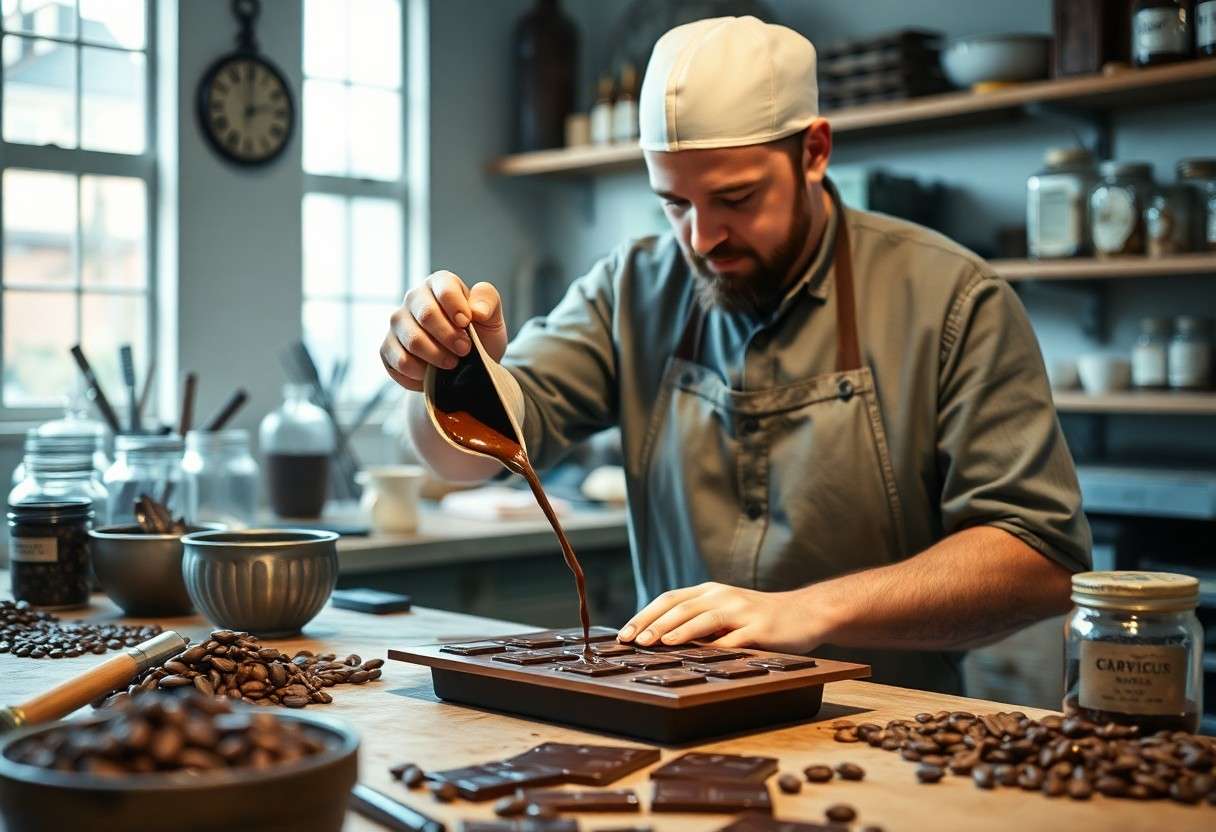
Why Small-Batch Candy Makers Are Changing How We Eat Sweets
Candy made in small batches shows you transparent ingredient sourcing, offers higher-quality artisanal flavors, and warns you about concentrated sugars and alle

This article contains Amazon affiliate links. As an Amazon Associate, CandiesAndSweets earns from qualifying purchases.
 Save
Save
Candy made in small batches shows you transparent ingredient sourcing, offers higher-quality artisanal flavors, and warns you about concentrated sugars and allergens, changing how you select and enjoy sweets.
The Shift from Industrial Mass Production to Artisanal Craft
You witness small-batch makers rejecting assembly-line sameness, trading scale for attentive technique so you taste real ingredients and distinct flavors rather than homogenized sweets.
Prioritizing premium ingredients over chemical additives
Ingredients like single-origin vanilla, real butter and cane sugar mean you avoid mass preservatives, and labels list sources so you spot no artificial colors or high-fructose corn syrup.
The revival of traditional, slow-cooking techniques
Artisans embrace long, low-heat methods to coax caramelization and texture, so you savor deeper flavor and glossy results; you should also respect that hot sugar can cause severe burns if mishandled.
Careful temperature control, copper kettles and patient stirring concentrate sugars naturally, allowing you to detect nuanced notes and freshness that mass processes erase.
Transparency and Ethical Sourcing Standards
Small-batch makers give you clear supplier lists and ingredient provenance so you can verify origins; that openness exposes both positive impacts and dangers, such as environmental harm or child labor, and forces accountability.
You gain confidence when brands publish sourcing policies and audit results, because fair compensation and humane working conditions become verifiable commitments rather than vague claims.
Direct-trade cacao and fair compensation for farmers
Direct-trade relationships let you follow payments to farms so premiums reach growers directly, increasing fair compensation and encouraging long-term quality improvements you can taste and trust.
The consumer demand for traceable supply chains
When you demand traceability, makers respond by sharing harvest dates, farm locations, and payment records, which reduces the chance that abuses remain hidden and helps you choose ethically sourced sweets.
Traceability gives you the power to reward sustainable practices through your purchases, incentivizing producers to adopt agroforestry, cut pesticide use, and invest in community programs with measurable outcomes.
Innovative Flavor Profiles and Culinary Exploration
You will notice small-batch makers pairing tea-smoked caramel, chili-orange, and herb-infused ganaches to deliver unique taste experiences that challenge supermarket norms while requiring clear labeling for allergens and potency.
Chefs collaborate with candy artisans so you can enjoy savory-sweet intersections borrowed from pastry and cocktail worlds, offering intense flavor layers that demand attention to sourcing and heat levels.
Incorporating savory, botanical, and global elements
Artisans blend miso, matcha, yuzu, and floral infusions so you can sample global influences in bite-sized form; these choices create novel textures but may introduce nut allergens or concentrated botanical compounds needing explicit guidance.
Small-batch agility and seasonal product rotations
Seasonal runs let you try limited editions at peak ingredient quality, giving you fresh, time-sensitive flavors months before mass-market varieties appear, though short production cycles can mean less extended shelf testing.
Short production cycles let makers respond to trends quickly, so you can discover rare collaborations and rotating profiles; you should check labels for batch dates and allergy notices because small batches can change recipes rapidly, affecting taste and safety.
The Rise of Mindful and Functional Consumption
You are noticing a shift where treats are designed to do more than satisfy a craving; small-batch sweets prioritize texture, provenance and portion so you experience heightened flavor and reduced impulse overconsumption.
Shifting from mindless snacking to sensory experiences
Artisanal makers craft candies so you slow down and engage all senses, which trains you to savor complexity and aroma; this sensory training makes you less likely to overeat and more attuned to quality over quantity.
Integrating health-conscious and “better-for-you” ingredients
Many producers replace refined sugar with alternatives and add fiber or plant-based proteins so you enjoy sweetness with reduced sugar impact and obvious functional benefits from functional ingredients.
Experimentation by small-batch makers introduces botanicals and adaptogens, but you should watch for concentrated botanicals and check labels for dose guidance and certifications like organic or non-GMO to stay safe while exploring healthier treats.
Sustainability and Eco-Conscious Packaging
Packaging choices from small-batch makers reduce waste and give you clearer ethics-you can pick sweets wrapped in recyclable or compostable materials and avoid mass-market excess. Labels often explain sourcing and disposal, so you can measure impact and favor brands that cut single-use plastic and unnecessary layers.
Reducing environmental impact through local sourcing
Local sourcing shortens supply chains so you and nearby growers both benefit, with lower transport emissions and fresher ingredients that change what you taste. Choosing makers who buy nearby directs money back into communities and reduces reliance on long-haul suppliers, making your sweet choice more sustainable.
The transition to compostable and plastic-free materials
Brands are swapping plastic windows and foil for paper, glass, or plant-based films, letting you avoid products that add to plastic pollution. When you seek makers using clearly labeled compostable wrappers, you reduce landfill-bound waste and support material innovation that keeps packaging out of oceans.
Consumers should watch for certifications and disposal instructions; some materials require industrial composting, so you must confirm local facilities accept them. If you learn which wrappers are truly compostable versus merely “biobased”, you can prevent contamination and ensure actual waste reduction rather than greenwashing.
Economic Disruption of the Confectionery Market
You are seeing small-batch makers capture premium buyers by offering traceable ingredients and handcrafted runs that deliver higher margins, while their thin cash reserves and limited scale create the risk of sudden supply gaps.
Local producers squeeze costs using short supply chains and lean operations, so you witness market share erosion among legacy brands as shelf space and consumer attention shift toward artisanal offerings.
How boutique makers challenge legacy industry giants
Boutique artisans move faster with limited runs and seasonal flavors, letting you discover distinctive flavors and novel textures that big manufacturers rarely trial.
Independent sellers use specialty retail, subscriptions, and events to reach you directly, building close relationships that translate into lasting brand loyalty.
The role of direct-to-consumer digital storytelling
Online channels let small makers sell directly to you, collect first-party data, and price products to reflect craft value without middlemen.
Storytelling about origin, process, and ingredient sourcing convinces you to pay more and strengthens perceived authenticity, turning purchases into repeat behavior.
Social content and targeted email flows convert curiosity into sales for you, but you should watch for misleading claims and track conversion rates to protect reputation and long-term growth.
Summing up
With these considerations you recognize how small-batch candy makers change how you eat sweets: they insist on real ingredients and transparent sourcing, craft unique flavors without heavy preservatives, and offer portioned treats that encourage mindful enjoyment. You can support local artisans, reduce sugar shock from mass-produced confections, and discover textures and tastes that reshape your expectations of candy.