Simple Tips for Storing Chocolates in Hot Climates
Most chocolate lovers struggle to keep their treats in top condition during warm weather. The heat can easily ruin the texture and flavor of your favorite choco

This article contains Amazon affiliate links. As an Amazon Associate, CandiesAndSweets earns from qualifying purchases.
 Save
Save
Most chocolate lovers struggle to keep their treats in top condition during warm weather. The heat can easily ruin the texture and flavor of your favorite chocolates, leading to a less satisfying experience. Fortunately, there are simple strategies you can implement to preserve your chocolate’s quality even in hot climates. In this guide, you’ll discover effective tips to maintain the integrity of your chocolates, ensuring they remain delicious and enjoyable despite the sweltering temperatures.
Strategies for Ideal Temperature Control
Understanding the Chocolate Melting Point
Chocolates have a specific melting point that varies depending on their cocoa content. Typically, the melting point for dark chocolate ranges between 30-32°C (86-90°F), while milk chocolate melts slightly lower, around 28-30°C (82-86°F). This temperature sensitivity affects both the texture and taste of the chocolate. For example, if you store dark chocolate in environments where temperatures exceed 32°C, the chocolate can begin to soften, resulting in a less appealing mouthfeel and potential cosmetic changes like blooming, where the cocoa fat rises to the surface, forming a whitish layer.
Understanding this melting point is necessary for storage decisions. If you’re in a hot climate, every degree matters. Keeping the chocolate well below its melting point should be a priority, as prolonged exposure to higher temperatures will not only affect the chocolate’s appearance but also alter its flavor profile. You might think about investing in temperature-controlled storage options, such as wine coolers or specialized chocolate cabinets, which can help stabilize conditions and preserve your favorite treats.
Strategies for Temperature Control
| Strategy | Description |
| Ideal Storage Location | Find a cool, dry place away from heat sources, preferably in an air-conditioned room. |
| Thermal Insulation | Utilize insulated containers or boxes to protect chocolate from fluctuating temperatures. |
| Humidity Control | Aim to keep humidity levels low to prevent chocolate from absorbing moisture, which can lead to spoilage. |
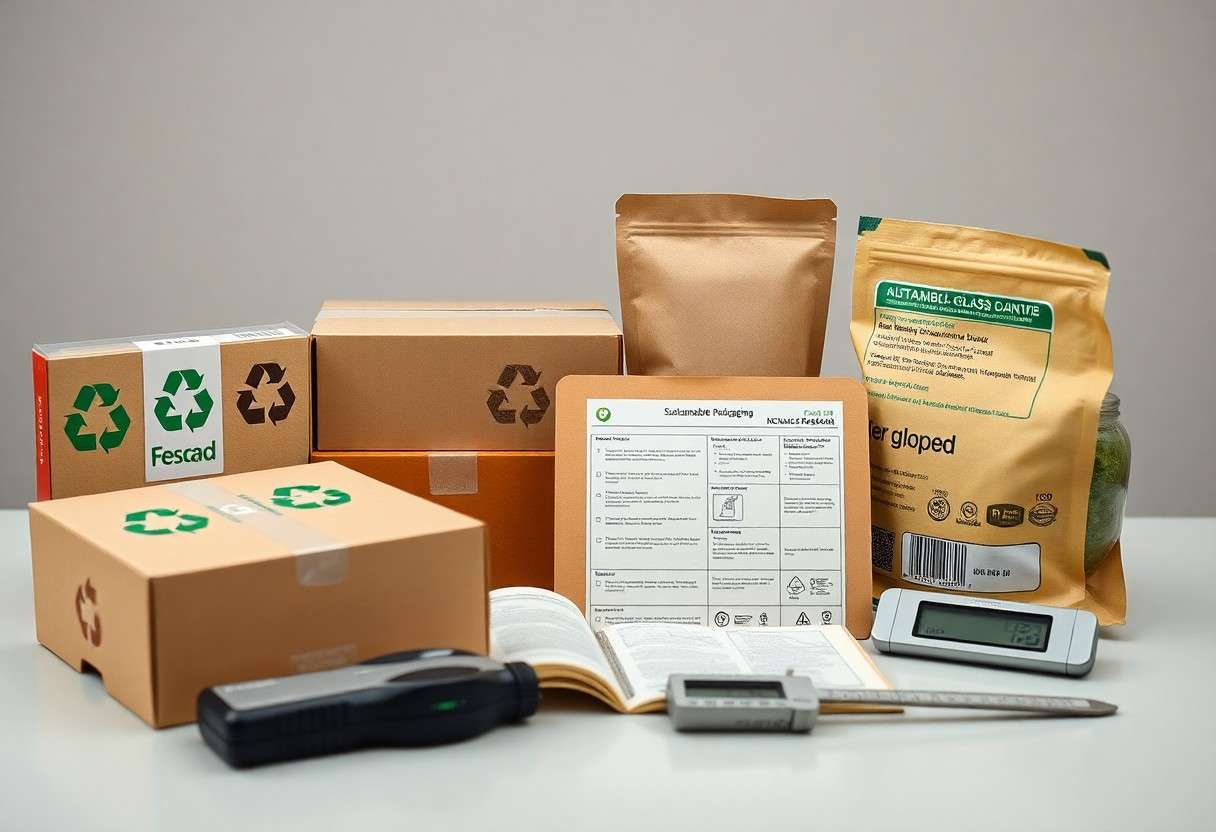
| Monitoring Tools | Equip yourself with a thermometer and hygrometer to regularly check the temperature and humidity. |
Recommended Temperature Range for Storage
Your ideal range for storing chocolate lies between 15-18°C (59-64°F). This temperature ensures that the chocolate remains solid while maintaining its flavor quality and texture. If the temperature exceeds this range, your chocolate may start to lose its original structure and develop unwanted flavors. A consistent environment helps keep your chocolates at their best; fluctuations may lead to condensation that can ruin the texture and taste.
Consider creating a dedicated chocolate storage area, possibly in a cool basement or pantry that doesn’t receive direct sunlight. If it’s particularly warm, utilize cooling packs around your chocolate or consider even using a small refrigerator, making sure it’s not too cold, as temperatures below 15°C could also create adverse effects on its texture. Humidity plays a crucial role too, so aim for a relative humidity of 50% or less, which ensures the chocolate remains a delight to savor.
Recommended Temperature Range for Storage
| Temperature Range (°C) | Conditions |
| 15-18 | Ideal for maintaining flavor and texture. |
| Below 15 | May cause undesirable texture changes. |
| Above 18 | Risks melting and flavor degradation. |
Innovative Packaging Solutions
Choosing Insulated Containers
Insulated containers can be your best ally when storing chocolates in a hot climate. These containers are designed to maintain a stable temperature, protecting your chocolates from heat-induced melting. Look for materials like double-walled stainless steel or specialized thermal boxes that reflect heat rather than absorbing it. For example, using an insulated cooler can keep your chocolates safe during outdoor events or extended trips. Ensure these containers have a secure seal to prevent humidity and air exposure, which can affect the quality of your chocolates.
Additionally, using smaller, compartmentalized insulated boxes can help when storing various types of chocolates. This prevents flavor mingling and allows you to cater to different preferences. Many of these insulated options come with handles, making them convenient for transport. With products ranging from simple thermoses to elaborate insulated chocolate boxes available on the market, you have a range of choices suited to your specific needs.
The Role of Vacuum Sealing
Vacuum sealing represents a game-changing method for extending the shelf life of your chocolates. By eliminating air from the packaging, vacuum-sealed bags or jars minimize oxidation and moisture absorption, both of which can hasten spoilage and degrade taste. This method preserves the texture and flavor integrity of your chocolates well beyond the average shelf life. Considering many commercial vacuum sealers are now compact and user-friendly, you can easily seal your chocolates at home in a matter of minutes.
Vacuum sealing also allows you to portion out your chocolates, which is particularly useful if you buy in bulk or have various types from different sources. By sealing them in smaller portions, you not only keep them fresher for longer, but you also avoid having to expose all your chocolates to air every time you open a container. This combined strategy of sealing and storing can significantly enhance your chocolate experience, keeping your treats indulgent and delicious.
The Importance of Humidity Management
Humidity plays a significant role in the quality and longevity of chocolate, especially in hot climates where moisture levels can fluctuate drastically. High humidity can lead to chocolate blooming, a process where sugar crystallizes on the surface, resulting in an unsightly white film that affects both the appearance and taste of your favorite treats. Additionally, excess moisture can cause chocolates to become sticky and lose their luscious texture, making them less enjoyable to consume. By understanding how humidity affects chocolate, you can take steps to preserve its integrity and keep it tasting delightful.
How Humidity Affects Chocolate Quality
When the humidity level exceeds 50%, chocolate becomes vulnerable to the surrounding moisture, which can cause a range of undesirable outcomes. For instance, when chocolate absorbs moisture, it can become soft and lose its characteristic snap. You may have also noticed that chocolates sitting in humid environments tend to develop a dull appearance and a gummy texture, which occurs as the sugar on the surface starts to dissolve and leach out. Moreover, moisture provides an ideal environment for mold growth, posing health risks if not addressed promptly.
Best Practices for Maintaining Optimal Humidity
To maintain chocolate quality, aim to keep the storage environment at a humidity level between 40-50%. Using a hygrometer is a practical first step in monitoring the humidity levels of your storage area. If you discover that the humidity is too high, consider using a dehumidifier. Additionally, storing your chocolates in airtight containers can create a more stable microclimate, minimizing their exposure to humidity fluctuations. Incorporate silica gel packets in your chocolate storage containers to further absorb excess moisture while protecting your confections.
Investing in specialized chocolate storage solutions, like climate-controlled units or dedicated storage boxes lined with moisture-absorbing materials, can prove beneficial in maintaining ideal humidity. For large quantities, try to keep your storage area away from areas like kitchens where humidity from cooking can infiltrate. By being diligent about controlling moisture, you’ll ensure your chocolates remain delectable and visually appealing, even under challenging conditions.
Smart Location Choices for Storage
Identifying the Best Areas in Your Home
Finding the right spot to store your chocolates can significantly influence their preservation in hot climates. Look for areas in your home that maintain a consistent, cool temperature; typically, this includes insulated closets, pantry shelves, or even certain cabinets away from direct sunlight. A temperature range between 60°F and 70°F (15°C to 21°C) is ideal for chocolate storage. Some people find that the back of a dark cupboard or a wine cellar (if available) offers the perfect balance of coolness and low light exposure.
Avoid kitchen cabinets above heat-producing appliances like stoves and refrigerators; these areas can cause the chocolates to melt or lose their shine. Instead, if you have a basement or an air-conditioned room, these can also be prime locations to keep your delicious confections safe and sound.
Avoiding Common Pitfalls in Hot Climates
Even your best efforts can be undone if you overlook common storage mistakes. Placing chocolates near windows might seem appealing due to visibility, but the heat and sunlight can quickly spoil them. Similarly, the kitchen is often the heart of the home, but it also harbors fluctuating temperatures from cooking and baking. A dedicated, cool location, like a spare room or dedicated food storage area, should be your go-to for long-term storage.
Expiration dates can easily be forgotten when chocolates are left in less-than-ideal conditions. Regularly check your stored collection, and prioritize consuming those that have been sitting for a while. Some chocolates with higher cocoa content tend to fare better in heat, as opposed to cream-filled varieties, which require more immediate attention when it comes to their storage environment.
Storing chocolates properly involves a bit of strategy. Many people overlook how humidity affects texture and flavor, especially in regions with high moisture levels. It can create a sticky film on your chocolates, attracting unwanted elements and diminishing the overall quality. Using vacuum-sealed bags or airtight containers helps create a barrier against humidity, and don’t forget to check the seals regularly to ensure your treats remain well-protected.
Time-Saving Tips for Efficient Storage
Maximizing your chocolate storage efficiency not only saves time but also ensures that your treats stay fresh and delicious for longer. One of the best strategies is to utilize containers that are specifically designed for food storage. Opt for air-tight containers that impede moisture and prevent exposure to the fluctuating temperatures often found in hot climates. This simple step can significantly reduce the time spent troubleshooting melted or spoilage issues, allowing you to enjoy your chocolates at their best. Additionally, labeling each container with the type of chocolate and its expiration date can streamline your retrieval process, making it easier for you to know what’s available without unnecessary rummaging.
- Use air-tight containers to maintain freshness.
- Label your containers for quick identification.
- Regularly check expiration dates to plan your consumption.
Knowing these strategies will transform your chocolate storage routine, freeing up more time to indulge in your favorite flavors.
Pre-emptive Planning for Seasonal Changes
Anticipating the shifts in temperature and humidity that come with seasonal changes makes a substantial difference in how well your chocolates are preserved. Create a seasonal storage plan that accounts for the hottest months of the year, ensuring that you relocate chocolates to cooler, dark places or even the fridge at the start of the warm season. This proactive approach can save you the hassle of dealing with unwanted melting, texture changes, or flavor loss caused by heat exposure. Setting reminders in your calendar as a signal to check your storage options periodically can keep you ahead of the curve.
Moreover, consider buying chocolates in smaller quantities during peak heat months. This strategy not only reduces the risk of spoilage but also helps you manage your intake effectively without compromising on enjoyment. Think about planning chocolate-centric gatherings or events during the cooler months to savor your favorite confections with friends and family, minimizing storage concerns during warmer times.
Quick Tips for Everyday Storage
Adopting a few quick and easy habits can streamline your chocolate storage routine without requiring extensive effort. One of the simplest methods is to designate a specific shelf or zone in your pantry or fridge for chocolate only. This organization reduces clutter and ensures you have a go-to spot for your chocolate cravings. Avoid placing your chocolate near appliances that generate heat, like ovens or toasters, and store it away from light to prolong its shelf life.
- Designate a specific storage area for chocolates.
- Avoid heat sources to prevent melting.
- Store chocolates away from direct sunlight.
Any adjustments you make in your storage habits can lead to enhanced flavor and texture retention, allowing you to enjoy every bite.
For effortless everyday management, keep extra chocolate bars or treats in their original packaging when possible as it typically provides an added layer of protection from air and moisture. If you decide to open a bar, seal the remainder in a zip-lock bag in order to minimize exposure to your kitchen environment. Utilizing these straightforward practices can help ensure that your chocolates remain just as delightful on day 30 as they were on day one.
- Keep extra bars sealed in their original packaging.
- Use zip-lock bags for opened treats.
- Refrain from placing chocolate in a warm kitchen environment.
Any small changes to your chocolate storage can yield delicious results over time, providing you with treasured treats that satisfy your sweet tooth.
To wrap up
From above, it’s clear that successfully storing chocolates in hot climates requires a few simple but effective strategies. You should always keep your chocolates in a cool, dry place to avoid melting and maintain their texture. Invest in an insulated container or temperature-regulated room if possible, as this will help protect your sweets from drastic temperature changes and humidity. Avoid placing chocolates near heat sources such as stoves or direct sunlight, as these can easily compromise their quality.
Additionally, consider using a refrigerator for storage, but take care to seal your chocolates properly to prevent them from absorbing moisture or odors from other foods. By following these straightforward tips, you can enjoy your favorite chocolates without worry, ensuring they remain delicious and visually appealing even in warmer climates. Keep these guidelines handy, and you’ll be set for all your chocolate needs throughout the hot seasons.