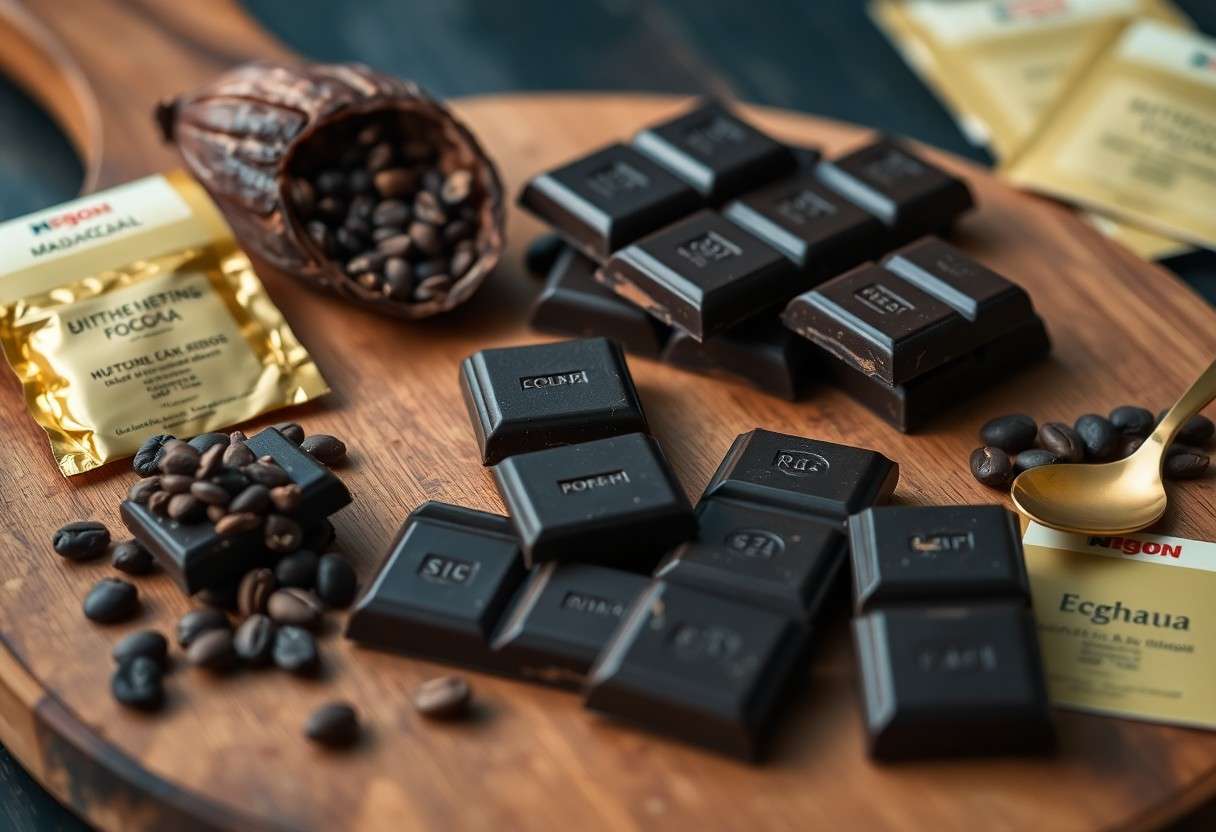
How Terroir Influences the Taste of Fine Craft Chocolate
Over hills and microclimates, you detect how soil, altitude and fermentation shape cocoa: soil-driven minerality, bright fruit and floral notes, and mold or pes

This article contains Amazon affiliate links. As an Amazon Associate, CandiesAndSweets earns from qualifying purchases.
 Save
Save
Over hills and microclimates, you detect how soil, altitude and fermentation shape cocoa: soil-driven minerality, bright fruit and floral notes, and mold or pesticide risks guide your single-origin selections.
Defining Terroir in the Context of Cacao
Terroir shapes how you read a bean’s story: genetics meet soil, climate and farm practice to determine acidity, aroma and mouthfeel. You’ll notice unique flavor signatures tied to place and also must guard against fermentation errors that produce off‑flavors or food‑safety hazards.
Genetic Heritage and Varietal Influence
Varietal selection defines the palette you can work with: Criollo often yields floral, delicate notes, Forastero supplies a bitter backbone, and Trinitario blends traits for complexity. You should manage fermentation, pruning and pest control according to each variety’s susceptibility to protect quality and yield.
The Synergy of Soil, Climate, and Topography
Soil chemistry delivers trace minerals and nutrient balance that show up as mineral, nutty or savory nuances in chocolate; you must monitor drainage because poor soils raise the risk of mold and off‑flavors.
Climate timing controls sugar accumulation and ripening speed, where stable microclimates produce predictable fermentation outcomes while erratic weather increases fermentation failure risks you’ll taste as uneven acidity.
Topography-altitude, slope and aspect-creates microclimates that concentrate aromatic complexity; you can expect beans from higher, well‑drained slopes to deliver brighter acidity and layered fruit notes, though steeper sites may pose erosion and labor challenges.
Regional Flavor Profiles Across the Cacao Belt
Across the cacao belt, you trace how soil, altitude and microclimate shape chocolate: coastal heat and volcanic soils yield intense minerality and layered aromatics, while highland farms produce cleaner acidity. You learn to read terroir by tasting single-origin bars and noting distinctive markers that recur by region.
Bright Acidity and Fruit Notes of East African Origins
East African beans often present vibrant cranberry, passionfruit and citrus notes that make you appreciate bright acidity; careful fermentation and drying accentuate those fruit esters. You will find lively, wine-like profiles from Kenya and Tanzania that reward lighter roasts to preserve clarity.
Earthy and Nutty Tones of South American Beans
Many South American beans carry deep cocoa, toasted almond and tobacco notes that give you earthy and nutty depth; alluvial and volcanic soils in Ecuador, Peru and Brazil contribute weight and subtle spice. You can pair these bars with aged spirits or coffee to match their fuller body.
You can also track processing: heirloom Nacional or Criollo signatures show floral lift or soft caramel when fermented and dried correctly, while poor drying or inconsistent fermentation creates off-flavors and increases mold risk that undermines quality.
The Impact of Microclimates and Altitude
Altitude shapes cocoa development: as you farm higher, slower ripening concentrates acids and aromatics, producing brighter acidity and floral notes, while valley microclimates yield rounder, chocolatey profiles. Watch for frost and cold stress that can damage pods and reduce yields even as flavor intensity increases.
Temperature Fluctuations and Sugar Concentration
Cool daytime highs and cold nights slow pulp respiration so you retain more sugars, which drives richer fermentations and clearer fruit notes; wide swings can deplete sugars and mute nuance if unmanaged.
Temperature Effects
| Condition | Effect on Sugar/Flavor |
|---|---|
| Warm days, cool nights | Preserve sugars, enhance floral and acidic notes |
| High diurnal swing | Favors complex aromatics but risks sugar loss when extreme |
| Constant heat | Increases respiration and reduces sugar concentration |
Rainfall Patterns and Bean Density
Seasonal rainfall governs pod fill: steady, moderate rains let you develop fuller beans with denser cotyledons that translate into better mouthfeel and yield, while erratic showers produce thinner, chalky beans.
Excess moisture during maturation invites pests and can lower bean density; you must manage shade and drainage to protect quality, since heavy rains during harvest complicate drying and raise fermentation and mold risks.
You can reduce variability by timing harvests, using covered drying, and sorting more aggressively to preserve density and prevent off-flavors from prolonged wet conditions.
Soil Composition and Mineral Content
Volcanic Terroir and Distinctive Flavor Nuances
Volcanic soils often lend pronounced minerality and bright acidity to cacao, so you detect flinty, citrus, and smoky notes in the finished chocolate. Producers in these areas must monitor cadmium and other heavy metals, since elevated levels can pose a health risk and force blending or rejection of beans.
Nutrient Availability and Aromatic Complexity
Soil nutrient balance governs the formation of aromatic precursors during bean development and fermentation, so you experience deeper floral, fruity, or nutty characters when nitrogen, phosphorus, and potassium are in harmony. Imbalanced inputs can reduce sugar accumulation and yield flat, vegetal notes that diminish perceived quality.
Microbial activity fueled by organic matter interacts with nutrient availability to shape volatile compound profiles, so you benefit when growers apply compost and balanced fertilization to boost desirable aromas. Excessive synthetic fertilizer or poor timing can cause overgrowth and off-flavors, cutting complexity and market value.
Post-Harvest Processing as a Reflection of Origin
Post-harvest choices translate terroir into flavor: you will find fermentation style, bean sorting and drying method determine which regional notes surface. When you favor traditional approaches, floral and fruity esters persist; negligent handling risks mold or off-aromas that erase origin.
Processing intensity and timing shape acidity, bitterness and mouthfeel so you can trace provenance through taste. Small shifts in fermentation length or sun exposure make the same bean read as either distinct to a place or generically processed.
Local Yeast Strains and Fermentation Dynamics
Fermentation driven by native yeast communities gives you signature esters and acids that reflect local ecology, producing fruit-forward or lactic notes unique to the site. If you monitor temperatures and cleanliness, you preserve those signatures; neglected vats invite contamination that masks terroir.
Ambient Environmental Influence During Drying
Drying conditions-airflow, humidity and nightly cooling-sculpt final aroma and body, so you will notice smoky, honeyed or green profiles depending on exposure. Direct sun can concentrate sugars while high humidity raises the chance of mold, affecting both safety and flavor.
Microclimates around raised beds or patios cause subtle differences in oxidation and sugar retention, and you can use shade structures or timed raking to protect delicate aromatics while preserving the origin’s character.
The Significance of Single-Origin Traceability
Traceability gives you a clear chain from farm to bar, making single-origin claims verifiable and protecting against adulteration and deforestation risks, while letting you appreciate how microclimate, fermentation, and drying shape the final taste.
Preserving Unique Regional Characteristics
Producers who document harvests and post-harvest methods allow you to discern terroir markers like soil, altitude, and local fermentation traditions, so you can detect distinct floral or fruity notes that would be lost in blends.
Quality Standards in Fine Craft Chocolate
You depend on consistent quality standards-bean grading, moisture specifications, and structured sensory protocols-to ensure each bar reflects origin, maintaining flavor integrity and reducing the chance of contamination.
Laboratories and independent cuppings give you objective data on bean chemistry and off-flavors, and certifications plus producer transparency provide the evidence you can use when comparing fine craft chocolates.
Summing up
Considering all points, terroir shapes fine craft chocolate through soil, climate and microflora that define aroma, acidity and texture you experience. You can train your palate to link origin to flavor, noting how elevation often brings brightness while coastal humidity can add deeper, rounder notes.