The Complete Vegan Baking and Candy Guide
Most vegan bakes and candies teach you how to replace eggs and dairy, so you can master egg-free textures, avoid burnt sugar by watching temperatures, and score

This article contains Amazon affiliate links. As an Amazon Associate, CandiesAndSweets earns from qualifying purchases.
 Save
Save
Most vegan bakes and candies teach you how to replace eggs and dairy, so you can master egg-free textures, avoid burnt sugar by watching temperatures, and score decadent, allergy-friendly treats without sacrificing flavor.
Identifying Your Players: Essential Ingredient Types
You can sort pantry players into five teams to speed swaps: fats, flours, sugars, binders, and liquids.
Check how each behaves under heat, since some plant butters contain more water and certain oils yield a greasier crumb.
| Plant butter | Solid fat for laminates; watch water content and salt levels. |
| Neutral oils | Great for cakes-produce moist crumbs and even browning. |
| Flavorful oils | Use sparingly to add notes (coconut, sesame); can overpower. |
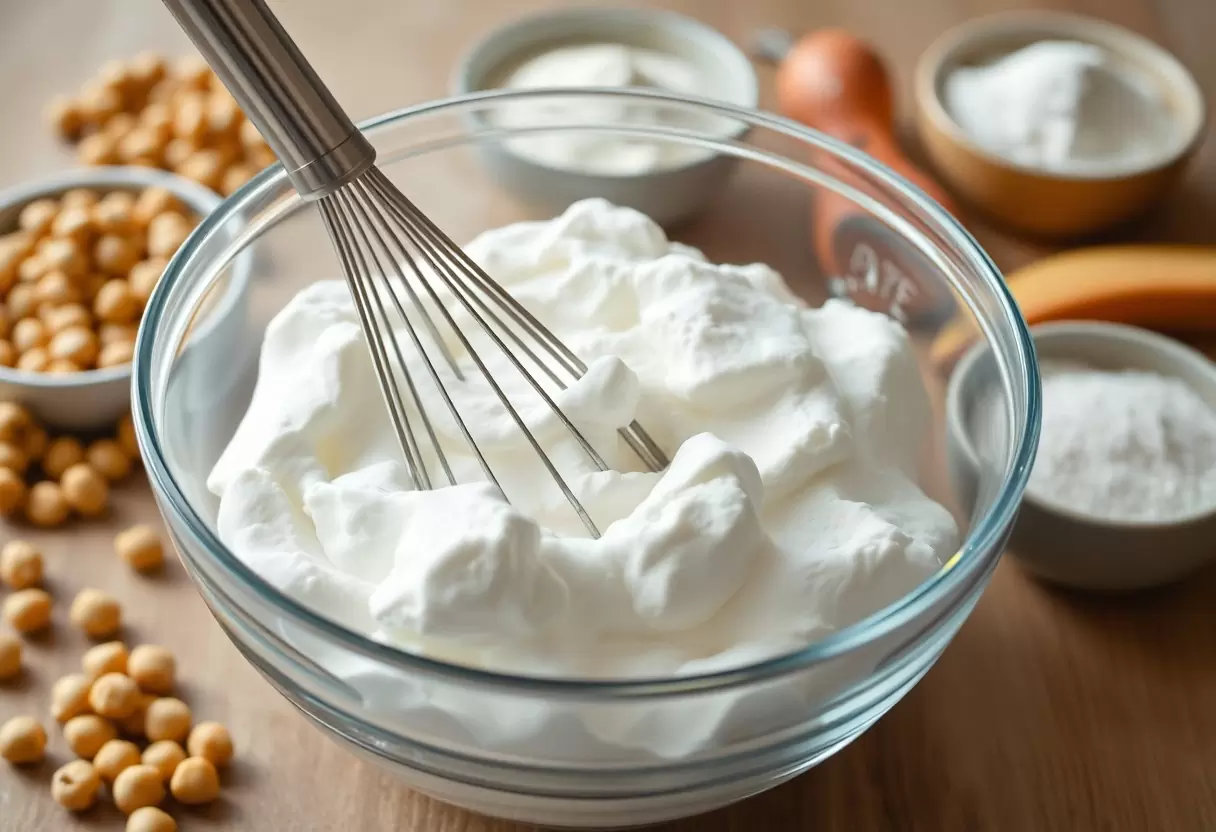
| Aquafaba | Whips into peaks for meringues; underbaking risks collapse. |
| Flax/Chia gel | Binders that add density-best for cookies and quick breads. |
- butter
- oil
- aquafaba
- flax
- non-dairy milk
Butter Mimics and Oil Magic
Swap block vegan butter into pastry recipes but reduce added water elsewhere to avoid a sloppy dough.
Oil gives reliably moist cakes, and using a neutral oil preserves other flavors while coconut or sesame bring character.
The Great Egg Replacement Theory
Whisk aquafaba for glossy meringues, mash banana or use applesauce to sweetly bind in muffins, and expect variations in lift.
Think about structure: flax and chia gels add density while aquafaba adds air, so match the replacer to the texture you want.
Knowing you can experiment with ratios-one tablespoon ground flax plus three tablespoons water equals one egg-lets you tweak without wrecking batches.
Pro-Tips for the Aspiring Sugar Wizard
You stash a candy thermometer and a bowl of cold water within arm’s reach because hot sugar bites and smart vegan baking swaps save texture and time.
- Sifting your dry ingredients
- Test aquafaba for foam strength
- Respect hot sugar and safety gear
Assume that every scorched pan teaches you wilder tricks with candy and makes your vegan swaps sharper.
Sifting Your Way to Sanity
Sifting aerates flour, banishes lumps, and stops you from serving gummy cookies, so use a fine mesh and tap gently to keep batter light and fluffy. You might also enjoy our guide on Essential Vegan Confectionery Brands Every Sweet Lover Needs.
The Secret Life of Aquafaba
Aquafaba lets you whip glossy meringues and airy mousses that fool egg-eaters, but you should test each brand to find the right ratio for stable peaks. You might also enjoy our guide on How Clean Label Vegan Candy Meets Growing Consumer Demand.
Whisk chilled aquafaba with a pinch of cream of tartar to reach stiff peaks faster; avoid overwhipping or the foam will collapse, and keep bowls cold for best results.
The Main Event: Step-by-Step Masterclasses
Classroom Highlights
| Technique | What you get |
|---|---|
| Building the Layer Cake | Crumb structure, stacking tricks, vegan frosting stability |
| Hard Candy | Temperature control, 300°F handling, safety tips |
Building the Ultimate Layer Cake
You’ll learn how to coax an airy crumb from plant-based batters, use aquafaba and starch-based stabilizers, and employ cold-chill-and-stack methods so your tiers don’t slide like a tragic rom-com.
Hard Candy Without the Hard Labor
Try low-water recipes and a trusty candy thermometer so you hit the firm-ball to hard-crack marks without guessing, and keep a bowl of cold water nearby-boiling sugar is dangerous and unforgiving.
Heat sugar slowly, stop stirring once it boils to avoid crystallization, and cool on a silicone mat so your snap is perfect and cleanup is merciful.
The Bitter and the Sweet: Pros and Cons
You weigh indulgence against ethics in your baking: vegan treats cut out dairy and eggs, shrinking your kitchen’s footprint, but you also watch for hidden animal processing that can turn a sweet into a surprise non-vegan.
| Pros | Cons |
|---|---|
| You eliminate dairy and eggs – animal-free | You must vet sugar; some use bone-char |
| You reduce greenhouse gases and water use – lower emissions | You may lose traditional textures without eggs or butter |
| You appeal to wider diets and ethics | You can encounter hidden additives like casein or gelatin |
| You experiment with plant milks, aquafaba, and oils | You might pay more for specialty vegan ingredients |
| You unlock new flavors and techniques | You face cross-contamination risks in shared kitchens |
| You gain ethical satisfaction and broader audience reach | You sometimes swap convenience for ingredient hunting |
Pro: Saving the Planet, One Brownie at a Time
Bake with purpose and you slash dairy-driven emissions: swapping butter and eggs for plant fats and aquafaba gives you gooey brownies while delivering real environmental benefits without sacrificing comfort food joy.
Con: The Great Search for Non-Bone-Char Sugar
Hunting for genuinely vegan sugar turns you into a label detective because cane sugar can be finished with bone-char, and many candies hide animal-derived stabilizers that ruin your vegan intentions.
Finding reliable swaps is easier when you choose certified vegan, beet sugar, or clearly labeled unrefined options, and when you prefer maple, agave, or coconut sugar to avoid ambiguous processing methods.
Disaster Management: Troubleshooting Your Treats
When your vegan bake betrays you, lean into quick fixes: test for doneness with a skewer, patch a collapsed center with frosting or turn it into a trifle, and tame runaway candy by lowering heat. You can usually salvage mishaps with minimal fuss if you act fast and avoid adding water to fats or chocolate.
Dealing with the Dreaded Sinkhole Cake
You spot a sinkhole-don’t scrap it: press crumbs into the gap and fill with frosting, or slice the top and make a layered parfait. Overmixing and excess leavening are common causes, so scale back whisking and verify oven temperature to prevent repeats.
Rescuing Seized Chocolate from the Brink
If your chocolate tightens into a grainy mass after meeting a drop of water or too much heat, don’t toss it. Heat gently over a double boiler while stirring and add a teaspoon of neutral oil or coconut oil slowly until it smooths into a spreadable glaze.
Gently warm the bowl and stir in fat rather than cold liquids; tossing in milk usually makes things worse unless it’s hot and whisked in slowly. If rescue fails, repurpose the gritty mass as an intense crumb topping or fold into cookie batter for a chocolate boost.
Try adding oil one teaspoon at a time and whisking at about 40-45°C until glossy; avoid direct heat above 50°C which scorches plant-based chocolate. Using an immersion blender speeds smoothing, and if you must add liquid, warm it to the same temperature as the chocolate first.
To wrap up
Hence you get a cheat sheet for turning pantry staples into show-stopping vegan bakes and candies; you’ll impress skeptics, dodge egg and dairy drama, and learn tricks that make textures sing. The Complete Vegan Baking and Candy Guide hands you playful swaps, clear failures-to-delight fixes, and recipes that prove kindness tastes delicious. You might also enjoy our guide on Best Vegan Chocolate Gifts for Every Occasion.