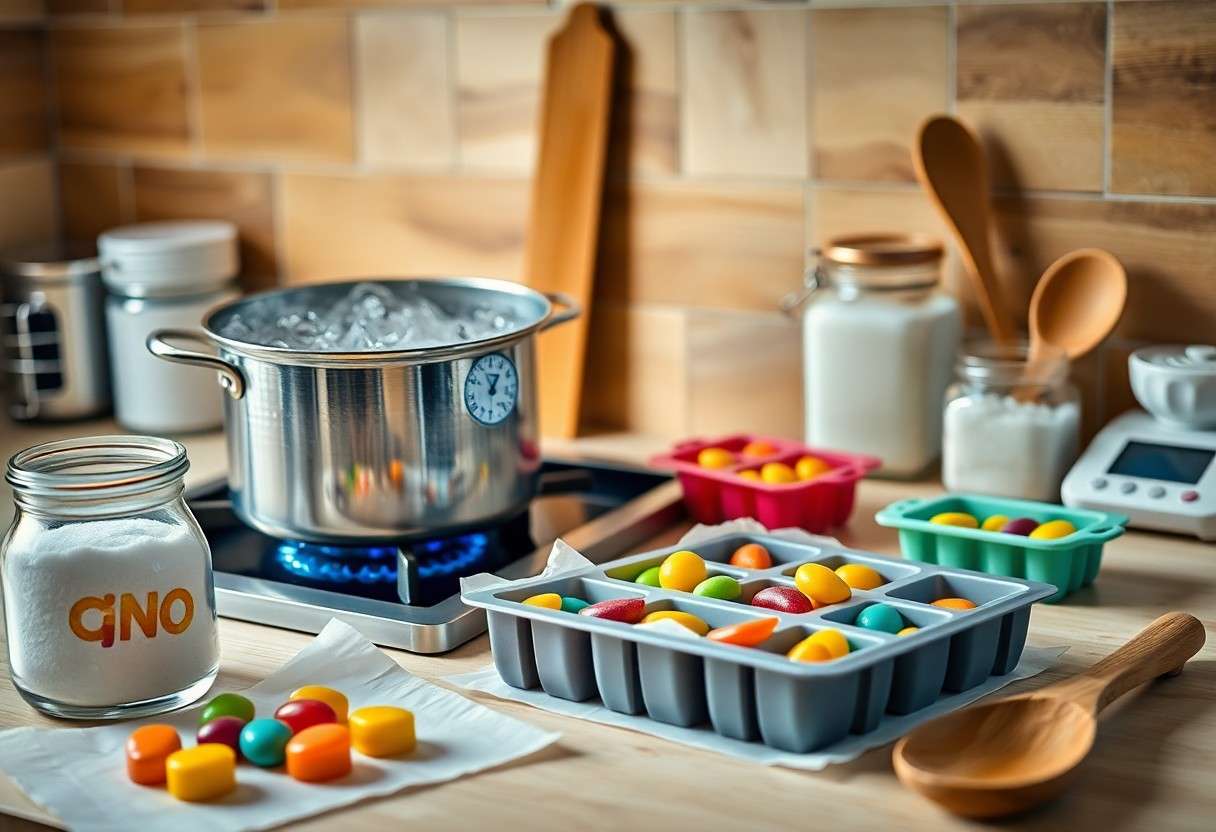
The Science Behind Candy Flavor Combinations
Over the years, you may have noticed that certain candy flavor combinations seem to be irresistible, and it's no coincidence. Understanding the science behind t

This article contains Amazon affiliate links. As an Amazon Associate, CandiesAndSweets earns from qualifying purchases.
 Save
Save
Over the years, you may have noticed that certain candy flavor combinations seem to be irresistible, and it’s no coincidence. Understanding the science behind these pairings can enhance your appreciation for the sweets you enjoy. From the balance of sweetness and acidity to the impact of scent on taste, the intricate chemistry and psychology behind flavor combinations play a significant role in creating the candies you love. Join us as we explore why some flavors work harmoniously together and how these combinations can elevate your candy experience to new heights.
The Chemistry of Taste: How Flavor Molecules Interact
Understanding the Five Basic Tastes
As you indulge in your favorite candies, you might not realize that your mouth is experiencing a symphony of five basic tastes: sweet, sour, salty, bitter, and umami. Each taste activates specific taste receptors on your tongue, triggering signals that travel to your brain, creating a complex flavor profile. For example, the sweetness that candy offers primarily comes from sugars or sugar substitutes, but when paired with a hint of sourness, such as in a sour gummy, the contrasting flavors create a dynamism that excites your palate. Balancing these tastes can elevate your candy experience, highlighting certain flavor notes while minimizing others.
Additionally, the unique combinations of these tastes can significantly impact how you perceive flavors. For instance, adding a pinch of salt to chocolate not only enhances its sweetness but also underscores the cocoa’s rich flavor, thanks to the way these taste receptors interact. This synergy explains why classic combinations, like chocolate-covered pretzels or salted caramel, remain favorites among candy lovers; they harness the power of these five tastes working in unison.
The Role of Aroma in Flavor Perception
Aroma plays a pivotal role in your overall flavor perception, often making up the bulk of what you experience when tasting candy. Approximately 80% of what you perceive as “taste” comes from your sense of smell. That’s why candies with complex scents — like a multi-layered fruit chew or a fragrant chocolate truffle — can evoke rich, satisfying flavors. As volatile aroma molecules release from your candy and travel to your olfactory receptors, they contribute to your perception of taste, enhancing the overall experience beyond the basic five tastes.
Moreover, specific aromas can trigger emotional or nostalgic responses, influencing how much you enjoy a particular candy. For instance, the smell of freshly made cotton candy might remind you of summers at the fair, enhancing your enjoyment of that sweet treat. Aromas can also harmonize with or amplify certain flavors within the candy itself, as you may find in the blending of citrus notes in a candy that also contains lemon or orange flavoring, invoking a refreshing taste sensation that is distinctly different from either flavor alone.
In understanding aroma’s vital contribution, consider how you can enhance your candy experiences at home. When crafting homemade treats, using high-quality ingredients and incorporating distinct aromatic components can elevate even the simplest recipes. Utilize spices, herbs, or natural extracts to experiment with combinations; for instance, a hint of mint in chocolate can create a wholly different sensory experience than plain chocolate alone, showcasing the complex interplay between taste and aroma.
Sweet and Sour: The Dynamic Duo
The Science Behind the Sweet-Sour Balance
Creating a successful sweet and sour flavor combination involves a delicate balance of taste receptors. Your palate detects sweetness through specific receptors that react to the sugar present in candies, while sourness engages a different set of receptors sensitive to acidity. This interplay creates a sensory experience that can enhance your enjoyment of sugary confections. The brain responds positively to this dynamic contrast, triggering pleasure signals that prompt you to crave more. A classic example of this phenomenon can be seen in tart fruits like cherries and pineapples, which offer a refreshingly tangy accent to their inherent sweetness.
Popular Confections that Utilize This Combination
An array of popular candies taps into the sweet and sour flavor profile, captivating taste buds with every bite. Sour Patch Kids, for instance, start off with a radiant tanginess that swiftly gives way to sweetness, ensuring a delightful surprise with each chew. Similarly, the classic lemon drop features a sugary coating that belies its bold tartness inside. These candies not only offer a sensory thrill but also demonstrate the effectiveness of contrasting flavors in enhancing overall satisfaction.
Other confections like sweet and sour jelly beans and Fruit Roll-Ups bring a sense of nostalgia and fun to the table. These innovative combinations draw you in with their vibrant colors and exciting flavor options, making the experience just as enjoyable as the taste itself. Sour gummies and sherbet fizz candies also highlight the versatility of sweet and sour combinations, offering unique twists that keep you eagerly reaching for more. Ultimately, this masterful balancing act between sweetness and tartness not only tantalizes your taste buds but also keeps the candy industry thriving and full of creativity.
The Contrast of Temperature: Cold Meets Sweet
Temperature plays a vital role in how you perceive flavors, especially when it comes to candies. Cold candies, like peppermint or menthol-infused varieties, can create a refreshing sensation that heightens the overall sweetness you experience. Conversely, warm candies like caramel can exude rich, buttery flavors, often complemented by your body’s natural warmth. This contrast between cold and sweet creates a dynamic interplay that can elevate your enjoyment of these treats.
Many confectionery experts agree that the juxtaposition of temperature and flavor enhances your tasting experience. When you bite into a cold treat, the chill can numb your taste buds slightly, making the sweetness pop when it finally reaches your tongue. This fizzy sensation of cold, paired with sugary notes, evokes a multi-layered flavor experience that delights the senses and plays tricks on your palate.
How Texture Influences Flavor Experience
| Texture | Flavor Impact |
|---|---|
| Creamy | Enhances sweetness, provides a luxurious mouthfeel |
| Crispy | Offers contrast that can balance sweetness with texture |
| Chewy | Lengthens the flavor experience, allowing you to savor sweetness longer |
| Hard | Gradual release of flavor as you work through the candy |
Texture involves more than just the physical sensation as you chew; it plays a pivotal role in how flavors unfold. A creamy candy allows for a slow, lingering sweetness that feels indulgent on your palate. On the other hand, crispy candies might combine various flavors in unique ways, allowing them to interact and create surprising bursts of taste. Chewy textures further enhance this effect by extending the experience, giving you time to savor those notes while navigating through the candy’s dimensions.
Examples of Temperature-Driven Candy Flavors
Consider classic examples like ice cream bars or frozen fruit pops, where sweetness is amplified through chilling. The cold element provides a stark contrast, making the sugars present in these treats stand out even more. Vendors have developed unique flavors like chili-lime or sea salt caramel, which, when combined with the temperature element, create an intriguing harmony. By using contrasting temperatures, these innovative confections can evoke greater complexity and surprise, elevating your sweet satisfaction.
Distinctive Flavor Profiles Based on Temperature
| Candy Type | Typical Temperature |
|---|---|
| Ice Cream Bars | Cold |
| Gummy Candies | Room Temperature |
| Chocolate Truffles | Cool |
| Hard Candy | Varies, often warm |
Temperature-impacted flavors serve as imaginative expressions of traditional sweets. As you indulge in frozen yogurt topped with swirls of tart fruit and sugary sprinkles, the chilling element amplifies the vibrant notes, creating a uniquely refreshing experience that you can’t replicate with merely room-temperature options. Whether it’s the profound richness of a chilled chocolate treat or the surprising zing of a menthol candy, temperature and texture work in tandem to craft unforgettable flavor experiences. Each bite is an invitation to explore your palate’s delightful contrasts.
Unlikely Pairs: The Allure of Flavor Mismatches
The Psychology of Adventurous Flavor Combinations
Exploring unusual flavor combinations can trigger an exhilarating experience for your taste buds, igniting curiosity and a sense of adventure. This phenomenon occurs because engaging with mismatched flavors not only piques your interest but also encourages a deeper emotional engagement with the food you consume. Your brain releases dopamine, the pleasure chemical, in response to novel experiences, urging you to embrace flavors that are not traditionally paired together. This adventurous mindset can elevate the act of eating from a simple necessity to an exploration of creativity and innovation.
This willingness to experiment often reflects larger trends in society, where individuals increasingly desire unique and personalized experiences. Flavor mismatches allow you to venture outside of your comfort zone and embrace the unexpected. As you try candy with unorthodox combinations, like chili-infused chocolate or lavender-infused gummies, your confidence in experimentation often grows, leading you to seek even more daring culinary adventures.
Case Studies of Innovative Candy Flavors
Several brands have gained recognition over the years for daring to blend flavors that seem at odds with one another. These bold choices have not only captivated consumers but also provided valuable insights into market trends and the science of taste. For instance, the collaboration between well-known candy makers and culinary experts has yielded a range of limited-edition products that challenge traditional flavor profiles. Here are several noteworthy examples:
- Chocolate-Covered Bacon: Introduced by several gourmet candy brands, this fusion saw a 200% increase in sales during its launch year, indicating strong consumer interest in meat and sweet combinations.
- Sriracha Gummies: A daring flavor introduced by a trendy candy start-up, leading to a 150% increase in social media engagement as the product went viral.
- Lavender Honey Caramels: This unique combination saw an 80% retention rate among first-time buyers, showcasing consumer willingness to embrace floral flavors in traditional sweets.
- Cheesecake Flavored Lollipops: Created as a seasonal product, it outperformed other flavors by 50% during the summer months, highlighting the appeal of dessert-inspired flavors.
- Green Tea Matcha Chocolates: With health trends on the rise, matching this antioxidant-rich ingredient with rich chocolate yielded a 120% sales boost within the first year of introduction.
Your willingness to try such combinations exemplifies a broader trend on the market—consumers increasingly emphasize unique experiences over classic tastes. Insights from these case studies reflect that the intersection of sweet and savory elements can yield strong sales and passionate consumer followings. Candy manufacturers will likely continue to experiment boldly, introducing more flavor matches that challenge your perception and expectations every step of the way.
Crafting the Perfect Candy Recipe
Techniques for Flavor Experimentation
Experimentation is at the heart of candy-making success. Start by blending complementary flavors in small batches; think of pairing sweet with salty or fruity with spicy. For example, mixing a hint of lime with strawberries not only enhances the overall sweetness but also adds a refreshing zesty note. Keep a detailed log of your experiments, noting proportions, flavors, and even the textures you achieve, as this record will be invaluable for perfecting your recipe over time. You could also try incorporating various infusion techniques, such as steeping fruit or herbs in your candy base to draw out subtle nuances that elevate your creation.
Another technique is to layer flavors throughout the candy-making process. You might start with a base flavor, such as vanilla, and then introduce hints of other flavors through the addition of flavored syrups or extracts at different stages. This approach not only builds complexity but also creates a more immersive experience for those tasting your candy. Don’t shy away from adjusting temperatures during the cooking process, as this can dramatically change the flavor profile of sugars and syrups, offering deeper caramel notes or even a toasted character that surprises the palate.
Key Ingredients for Flavor Synergy
Understanding the foundational ingredients that contribute to flavor synergy is crucial for crafting addictive candies. Sugar acts as a canvas, yet it’s the balance of acids and bases that truly brings your candy to life. For instance, incorporating citric acid in a gummy candy can enhance fruit flavors and provide a delightful tartness. Similarly, using complementary ingredients like coconut or almonds can yield a complex and satisfying nutty backdrop, particularly in chocolate-based confections. Consider also the role of texture, which can make a combination of sweet and savory flavors even more tantalizing.
Playing with contrasting flavors can produce surprisingly delightful results. The combination of sweet and tart, such as in raspberry lemonade candies, highlights this synergy beautifully. Studies show that the brain responds positively to flavor contrasts, making it crucial to include elements like salt or spices in sweet recipes. A dash of sea salt on chocolate or a pinch of cayenne in caramels can enhance the sweetness and create a multifaceted flavor experience. The magic often rests in making simple adjustments to your ingredient ratios or introducing unconventional pairings to expand your candy repertoire.
Final Thoughts on Candy Flavorology
Embracing the Art and Science of Flavor
Your journey through the world of candy flavor combinations ultimately emphasizes the balance between creativity and scientific understanding. Each candy piece you create is an exploration of tastes where, for instance, the tartness of a raspberry pairs beautifully with the richness of dark chocolate, creating a harmonious experience for your taste buds. The science of flavor release—how aroma interacts with taste—plays a significant role in these pairings. Studies indicate that nearly 80% of what you perceive as flavor comes from your sense of smell, which is why highly aromatic ingredients can enhance the overall profile of your candy. By carefully selecting and balancing flavors, you can craft sweets that delight the senses and leave a lasting impression.
The Future of Flavor Innovations
As you dive deeper into flavor exploration, consider the potential for future innovations. Flavor trends continue to evolve, with unique ingredients and techniques emerging from different cultures. For example, ingredients like matcha and yuzu from Japanese cuisine are gaining popularity in Western confections, offering exciting new dimensions to traditional candy recipes. Staying attuned to these trends can inspire you to push boundaries, testing combinations that might initially seem far-fetched. Ultimately, embracing both the art and science of flavor—not only making candies that taste good but also telling a story through their combinations—will enhance your candy-making endeavors, making each creation a journey of exploration and discovery.