What Makes Candy Photography So Appealing
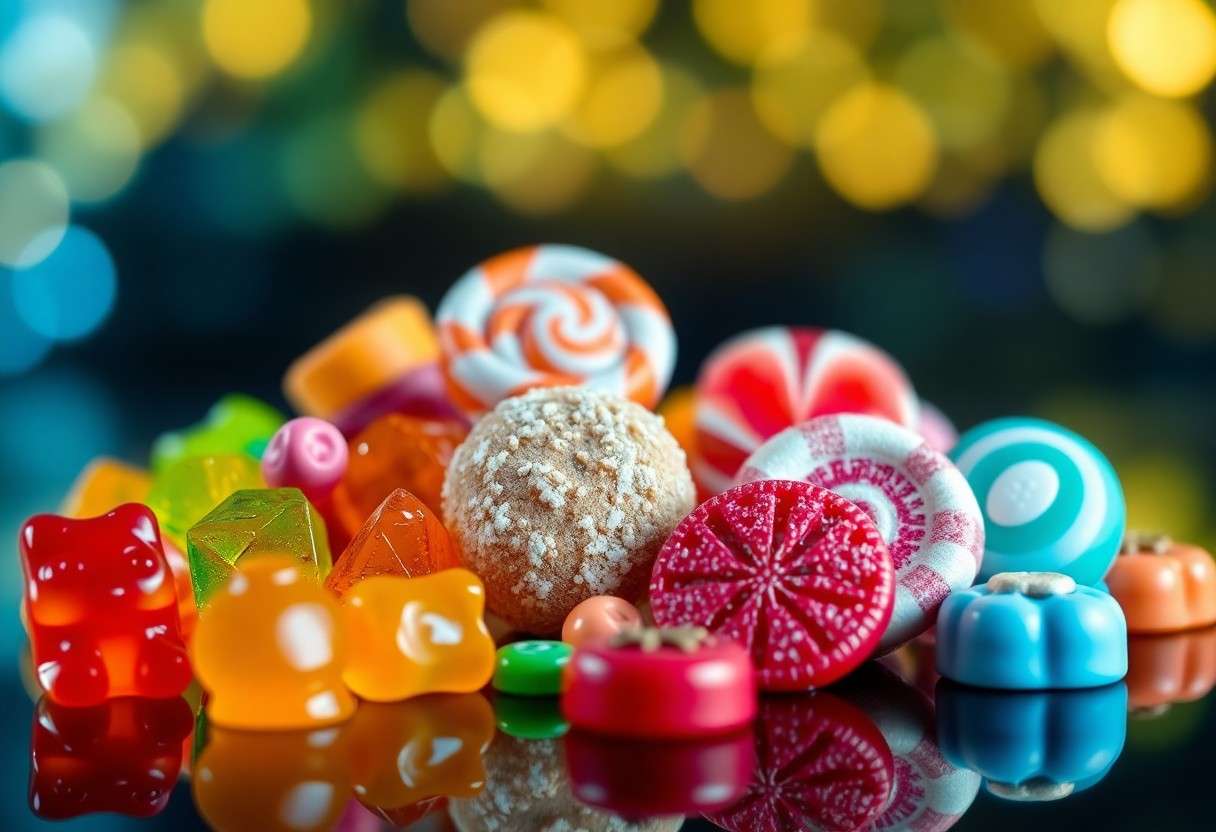
Many people are captivated by the vibrant colors and delightful textures found in candy photography. This genre not only tempts your taste buds but also engages

This article contains Amazon affiliate links. As an Amazon Associate, CandiesAndSweets earns from qualifying purchases.
 Save
Save
Many people are captivated by the vibrant colors and delightful textures found in candy photography. This genre not only tempts your taste buds but also engages your senses through visual storytelling. By understanding key elements such as composition, lighting, and styling, you can unlock the secrets behind the irresistible charm of candy images. Whether you’re an aspiring photographer or simply a fan of candy, exploring these aspects will help you appreciate what makes this art form so enchanting and enjoyable.
The Sensory Allure of Candy Imagery
Visual Vibrancy and Color Theory
Captivating candy photography often relies on an extensive palette that draws you in immediately. The vibrancy of colors, from luscious reds to vibrant yellows, plays a fundamental role in how you perceive and respond to the images. Bright and cheerful hues tap into emotions tied to childhood memories, forging connections between the visual and sensory realms. Research shows that color can stimulate appetite – which is why you might find that a well-styled candy display will make you crave sweets even before you take a bite.
Using color theory to your advantage, think about how contrasting colors can enhance your candy photographs. Pairing a deep purple candy against a bright yellow backdrop can create visual drama that catches your eye. You may also want to consider using analogous colors, like different shades of pink and peach, to create a harmonious composition that feels inviting and sweet. These strategies not only make your images pop but also convey the vibe and thematic undertones of your sugar-laden subjects.
Texture and Surface Details
The texture of candy plays a pivotal role in how enticing your imagery appears. Every sugary morsel boasts a tactile allure—whether it’s the crisp granules of a sugar-coated gummy or the glossy, shiny surface of a chocolate truffle. Close-up shots reveal intricate details that evoke desire, making your audience almost crave that sensation of biting into the candy. The way light interacts with these textures adds depth, accentuating curves and angularities that the eye naturally gravitates towards.
Incorporating tactile elements can create a vivid storytelling experience. The surface details of a lollipop glistening with sugar crystals captures the light in a way that signifies indulgence. Consider layering candy in your shots to emphasize their varying textures—crunchy, chewy, smooth—each presenting a unique invitation for tactile interaction. Additionally, props such as parchment paper, wooden spoons, or vibrant fabrics can further amplify the sensory experience. Your photographs should not only be viewed, but indeed felt through a visceral response, engaging your viewers in a way that evokes their own memories and desires for candy.
The Psychological Impact of Sweetness
Nostalgia and Memory Association
You probably don’t need to search far back into your childhood memories to recall the first time you tasted cotton candy or unwrapped a shiny chocolate bar. The images of these sweets are often imbued with nostalgia, triggering warm memories of birthday parties, holidays, or carefree summer days. Candy photography can evoke these sentiments through deliberate choices that captivate your emotions, with elements like vintage packaging or classic sweet shops featured in the frame. Such imagery takes you on a journey, rekindling sensations tied to simpler times, where a single piece of candy could brighten an entire day.
Evoking Desire Through Visual Aesthetics
The art of candy photography does not merely rest on capturing a visually striking image; it researchs deeply into desire. Bright, vivid colors, intricate textures, and creative compositions work together to entice your senses, awakening cravings for sweet treats you may not even have considered indulging in. For instance, a close-up shot of a glossy caramel apple, glistening under soft lighting, doesn’t just showcase the apple itself but amplifies its desirability, drawing your eyes and your taste buds into a moment of sheer temptation.
Moreover, elements like depth of field and lighting play pivotal roles in the effectiveness of these food photographs. When a confection sits against a blurred background, your focus sharpens on the candy, accentuating its delightful details and textures. You’re not just looking at a sweet, you’re invited to imagine the flavor and feel the satisfaction of indulging. Photographers often employ these techniques purposefully, crafting images that resonate with the viewer’s cravings and influencing their responses, often leading to increased engagement or even purchases of the sweets depicted.
The Role of Composition in Candy Photography
Balancing Elements for Maximum Appeal
Balanced composition in candy photography creates visual harmony and guides the viewer’s attention. You can achieve this by strategically placing your candy so that it fills the frame while also leaving some negative space. The classic rule of thirds can be a beneficial guideline here; imagine your frame divided into three equal sections both horizontally and vertically. By positioning your focal points along these lines or their intersections, you draw the eye into the scene, making it more engaging. For instance, placing a vibrant lollipop to the right while allowing soft pastel candies to drape on the left can create a balanced yet dynamic composition.
Experimenting with different angles can also yield fascinating results. A top-down perspective allows the colorful wrappers and unique textures to shine, while a side view can emphasize height and layers, particularly in stacked or layered candies. The interplay between order and chaos in your arrangement—like mixing assorted candy types with varying shapes and sizes—can instill a sense of excitement. Strategic placements will not only enhance aesthetic appeal but allow the viewer to interact with the image more meaningfully.
Utilizing Light and Shadow to Enhance Features
Light serves as an artist’s brush in candy photography, shaping and accentuating textures, colors, and details. To harness this power, consider the source and quality of your light. Natural diffused daylight can provide a soft, inviting glow that highlights your candy’s unique characteristics without overwhelming them. Alternatively, using focused artificial lighting can create dramatic shadow play, adding depth to your image. This tactile quality invokes desire by mimicking the way candy might interact with light in real life, making each piece appear more appetizing and irresistible.
Shadows can be equally important in defining the shape and dimension of your candies. For example, a chocolate truffle’s glossy surface can exhibit enticing highlights that elevate its allure, while the shadows beneath can enhance its roundness, creating a sense of richness. Utilizing reflectors can help bounce light onto your candy, reducing harsh shadows and creating a more polished look. Adjusting your light placement relative to your subject can completely transform the story told in your photo, enhancing the overall sensory experience.
Technical Mastery: Tools of the Trade
Camera Settings for Perfecting Candy Shots
Getting the perfect candy shot starts with understanding your camera settings. An aperture setting around f/2.8 to f/4 allows for a beautifully shallow depth of field, which helps your candy stand out against a soft, blurred background. This technique emphasizes the textures and colors of the candy, bringing your subject into sharp focus. Utilizing a lower ISO setting, ideally around 100 or 200, minimizes graininess that can detract from the candy’s vibrant appearance. Coupled with a shutter speed that prevents motion blur—something between 1/60 and 1/125 of a second is usually optimal—you’ll achieve crisp, eye-catching images that entice viewers.
Lighting also plays a pivotal role; shooting in natural light often yields the best results. Try to position your candy shots near a window during the golden hour, when the light is soft and diffused. If you’re shooting indoors and need additional lighting, softboxes or ring lights help eliminate harsh shadows, creating a more appetizing image. Lastly, experimenting with white balance adjustments can help ensure that the colors of your candy pop, whether it’s the rich red of a gummy bear or the delicate pastel of macarons.
The Influence of Post-Processing Techniques
Once you’ve captured your candy images, the real fun begins in post-processing. Software like Adobe Lightroom or Photoshop allows you to enhance colors, tweak exposure, and refine clarity. Through selective adjustments, you can make the candy’s colors more vibrant while balancing overall brightness. Techniques such as sharpening help to accentuate textures, making hard candies appear even more delectable, while vignette effects can draw the viewer’s eye toward the subject. Additionally, consider using color grading to create a specific mood that aligns with the theme of your photography.
Understanding layers in Photoshop can further elevate your images through detailed editing. You might find yourself growing fond of the freedom editing offers, permitting you to remove distractions or introduce elements that enhance the composition. Experimenting with overlays or textures can add a unique visual flair, transforming a simple shot into an eye-catching piece of art. Whether you choose a light, airy feel or a dramatic, bold aesthetic, refining your photographs digitally can ensure your candy photography stands out in a crowded online space.
An awareness of post-processing not only brings technical proficiency but also encourages your creativity to flourish. By adopting different editing styles and techniques, you can cultivate a signature aesthetic that resonates with your audience, inviting them to engage further with your work. Overall, this final step in the photographic process can make all the difference, giving you the opportunity to refine your voice and elevate your candy photography to new artistic heights.
The Cultural Context of Candy Representation
Candy photography transcends mere visual appeal; it serves as a cultural artifact that reflects societal values and trends. Throughout history, candy has been intertwined with celebrations, holidays, and childhood memories, thus making it a significant symbol in various cultures. The sweet treats often evoke nostalgia, connecting consumers to fond memories, which is pivotal for brands looking to tap into collective sentiments. Through photography, you can capture this essence, turning a simple candy piece into a narrative that resonates on deeper emotional levels.
Moreover, the evolving role of candy in contemporary culture highlights the intricacies of consumption and identity. As health concerns rise and dietary restrictions become more pronounced, candy representation adapts to reflect these changes. The emergence of sugar-free alternatives, ethical sourcing, and organic ingredients in candy photography indicates a shift in consumer expectations and preferences. This evolution contributes to a more nuanced understanding of candy’s place in today’s society, making it a rich subject for exploration through your lens.
Candy Photography in Social Media Trends
Your social media feed is likely flooded with vibrant candy shots, showcasing the potency of visual marketing. Platforms like Instagram and TikTok emphasize the importance of aesthetics, often prioritizing visually striking content over plain advertising. This trend has led to an explosion of candy-related content, where eye-catching images can propel brands into viral status. Expertly styled candy photography caters to this dynamic landscape, engaging audiences with a sugar-laden feast for the eyes that is hard to overlook.
This incessant sharing and re-sharing create a communal experience around candies—encouraging users to recreate their own versions and share them with their followers. Think about how you might present homemade treats or curated candy displays. By participating in this trend, you not only attract attention but contribute to a collective narrative celebrating creativity and indulgence that propels both casual users and brands forward into greater visibility.
The Branding Implications Behind Candy Imagery
Branding in the candy industry hinges significantly on the imagery used to represent products. A well-crafted candy photograph not only showcases the product but also tells a story that aligns with the brand’s identity and values. For instance, a luxurious chocolate brand might emphasize dark, moody aesthetics that evoke sophistication, while a brand targeting children may opt for bright colors and whimsical designs that convey fun and playfulness. You’ll find that understanding this connection between imagery and brand message is imperative for crafting compelling narratives that resonate with your target audience.
The emotional resonance of candy imagery is especially relevant in a world where consumer loyalty is often influenced by personal connections to brands. For example, campaigns that evoke nostalgia—connecting sweets with childhood experiences or family traditions—tend to elicit strong emotional responses. Research indicates that nostalgic marketing can increase customer loyalty by up to 30%. By utilizing candy photography that evokes such sentiments, you can help brands foster deeper relationships with their customers, resulting in long-term brand loyalty and increased sales.
Conclusion
On the whole, candy photography captivates you with its vibrant colors, intricate details, and whimsical presentations. The playful nature of candy invites a sense of joy, which is often translated into the visuals you create or admire. When you capture candy in a photograph, you’re not just showcasing a sweet treat—you’re also evoking emotions and experiences tied to nostalgia and simple pleasures. Candy photography encourages you to explore creativity in composition, lighting, and background, making it a delightful challenge that can yield stunning results.
Moreover, the accessibility of candy photography makes it a popular choice for enthusiasts and professionals alike. You can experiment with different styles, from minimalistic setups to elaborate scenes brimming with props, allowing your imagination to run wild. This diversity empowers you to develop your unique photographic voice while engaging your audience. Ultimately, the combination of aesthetic appeal, emotional connection, and creative freedom solidifies candy photography as an enduring favorite in the world of visual art.


