Why Gluten-Free Sweets Are Gaining in Popularity
Most people are becoming increasingly aware of dietary restrictions and the health benefits of gluten-free options. As a result, gluten-free sweets are gaining

This article contains Amazon affiliate links. As an Amazon Associate, CandiesAndSweets earns from qualifying purchases.
 Save
Save
Most people are becoming increasingly aware of dietary restrictions and the health benefits of gluten-free options. As a result, gluten-free sweets are gaining popularity among those seeking to indulge their sweet tooth without compromising their health. You may find that these treats not only cater to gluten-sensitive individuals but also offer a delicious alternative for anyone looking to enjoy dessert, leading to a growing market that is diverse and innovative. Discover the reasons behind this trend and how it can enhance your dessert experience.
The Rise of Health-Conscious Eating
Shift in Consumer Preferences
Consumers today are redefining what it means to eat healthily, with many prioritizing ingredients that align with their wellness goals. You’ve likely noticed an increase in the variety of gluten-free desserts available, ranging from cookies to cakes and brownies. This shift can be attributed to an awareness of how certain ingredients impact your overall health and well-being. According to a Nielsen report, the gluten-free food market in North America was valued at over $5 billion in 2019 and is projected to grow steadily, indicating that more people want options that not only cater to dietary restrictions but also embrace a healthier lifestyle.
With so many people seeking to cut out processed foods, gluten-free sweets often contain nutrient-dense alternatives. Ingredients like almond flour, coconut flour, and oats are becoming staples, offering not just gluten-free options, but also appealing to those on paleo or keto diets. This diversification allows you to indulge your sweet tooth without compromising your dietary values, leading to a booming demand for innovative recipes that prioritize flavor without the gluten.
The Role of Dietary Restrictions
As more individuals identify with dietary restrictions—whether due to celiac disease, gluten sensitivity, or personal choices—you find a significant shift in how food businesses approach product offerings. The increase in awareness of these conditions has sparked a surge in gluten-free alternatives across the culinary world. In fact, studies indicate that around 1 in 100 people have celiac disease, and about 6% of the population may have gluten sensitivity. This has prompted not just bakeries but also larger food brands to create gluten-free versions of beloved sweets, ensuring inclusivity for all consumers.
The intersection of health and self-care is perhaps nowhere more illuminated than in the sweet treats you choose. Many businesses now cater specifically to those with gluten-related disorders or various dietary lifestyles. In doing so, they have the opportunity to not only tap into a lucrative market but also to cultivate a loyal customer base. As you opt for gluten-free desserts, you support this shift, encouraging brands to innovate further and provide options that not only taste good but also align with your health aspirations.
The Allure of Gluten-Free Ingredients
Innovative Flours and Sweeteners
Choosing gluten-free sweets opens up a world of innovative flours and sweeteners that can elevate your baking game. Almond flour, coconut flour, and chickpea flour are just a few examples that are gaining traction. These alternatives not only provide gluten-free options, but they also bring unique flavors and textures to your baked goods. For instance, using almond flour imparts a subtle nuttiness, while coconut flour adds a tropical note that can transform a simple dessert into a gourmet experience. Additionally, the use of natural sweeteners like maple syrup, agave nectar, and coconut sugar can help you create deliciously sweet treats without the blood sugar spikes associated with traditional refined sugars.
Enhanced Flavor Profiles
Incorporating gluten-free ingredients can dramatically enhance flavor profiles, leading to more exciting and enjoyable sweets. Many gluten-free bakers are venturing beyond conventional flavors by experimenting with spices, fruits, and zests, resulting in desserts that are not only more delicious but also more visually appealing. For example, adding chai spices to a gluten-free cake provides a warm, aromatic twist, while citrus zest can elevate cookies and brownies, making them pop with freshness. You’ll find that flavor innovation is at the forefront of gluten-free baking, enticing your taste buds with every bite.
The trend towards enhanced flavor profiles isn’t just a whimsical culinary choice; it reflects a deeper understanding of how diverse ingredients can complement each other in gluten-free desserts. By embracing this variety, you can create sweets that appeal not only to those with dietary restrictions but also to anyone seeking a richer taste experience. For instance, the use of dark chocolate paired with sea salt creates an irresistible contrast that can be irresistibly addictive. This kind of thoughtful ingredient pairing is becoming a hallmark of modern gluten-free baking, enticing a wider audience to explore these delightful options.
The Impact of Social Media and Influencers
Visual Appeal of Gluten-Free Sweets
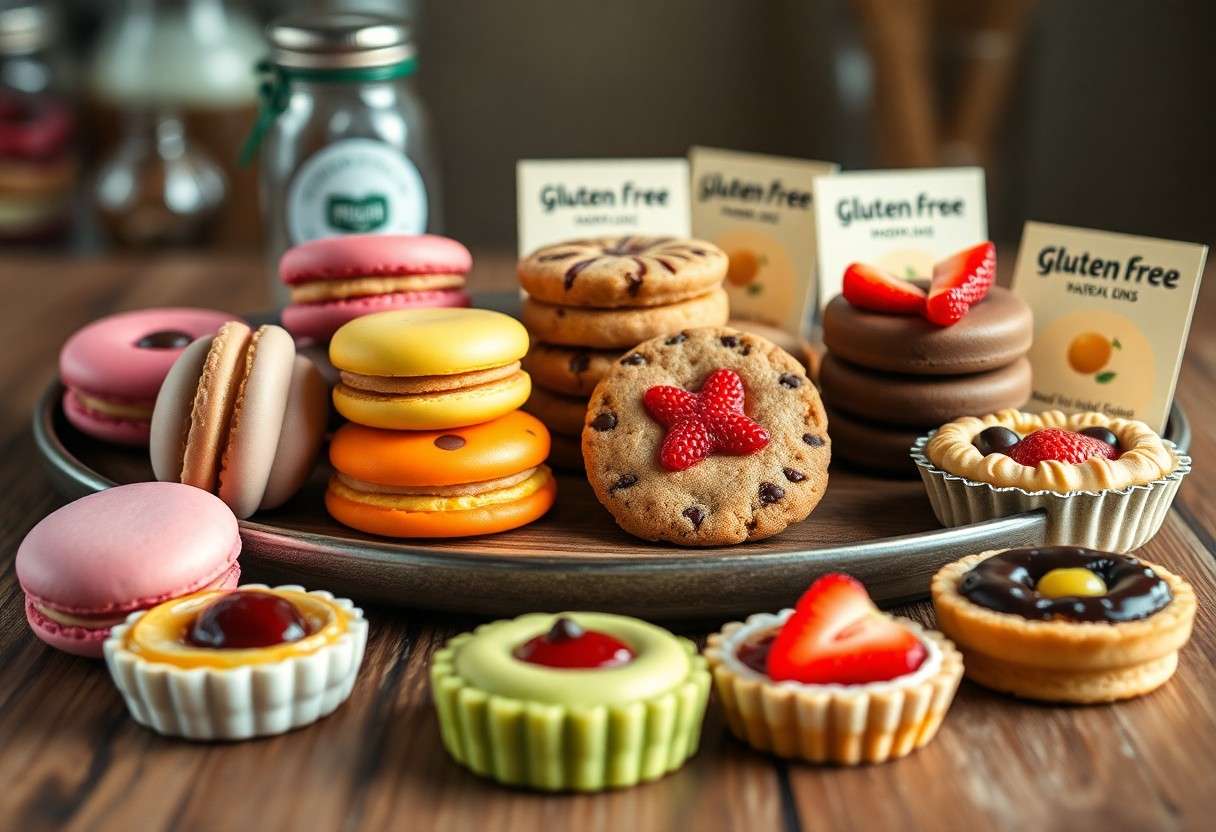
Social media platforms serve as a vibrant gallery for gluten-free sweets that capture attention with their stunning presentations. The aesthetic appeal of these treats, often accentuated by bright natural ingredients like berries, coconut, and raw chocolate, makes them highly shareable. You might find yourself scrolling through Instagram feeds filled with vividly decorated gluten-free cupcakes or DAIRY-FREE fudge, which not only introduces you to new recipes but also sparks a craving that might lead you to try your hand at baking. From beautifully layered cakes to colorful macaron assortments, the creative possibilities are virtually endless, often resulting in a delectable fusion of colors and textures that draws viewers in.
Moreover, influencers play a pivotal role in promoting these visually enticing products. A well-curated feed featuring gluten-free desserts can inspire you to experiment in your own kitchen, while step-by-step video tutorials make the process accessible. Take, for instance, TikTok’s abundant food creators who showcase mouthwatering gluten-free baking hacks. You’re likely to stumble upon recipes that transform ingredients you have on hand into gluten-free beauties, enticing you to join in on the trend.
Community Building and Recipe Sharing
Social media fosters a sense of community among those interested in gluten-free living. Platforms like Facebook and Instagram host numerous groups and pages where individuals share their gluten-free creations, hacks, and tips for achieving the perfect texture in baked goods. Engaging with these communities empowers you to seek advice, discover new ingredients, and celebrate milestones in your gluten-free journey, all while connecting with like-minded individuals across the globe. The shared experience of finding and perfecting gluten-free sweets can make you feel less alone in your dietary choices.
Recipe sharing forms the backbone of these communities, as many users post their own takes on classics and innovative concoctions. From gluten-free brownies made with almond flour to decadent chocolate mousse using avocados, you can find endless inspiration. Many bakers also deliberately post the trials and adjustments they’ve made, providing a transparent look into the process that emphasizes trial and error. This not only builds trust but also encourages more experimentation in your own baking adventures.
Diving deeper into the community aspect, it’s fascinating to see how users often collaborate, creating “bake-offs” or challenges that propel creativity. You might be inspired to join in and post your creations, thus amplifying the sharing cycle. This collaborative spirit fosters a deeper appreciation for gluten-free baking and encourages you to push your culinary boundaries, knowing that there’s a supportive community cheering you on every step of the way.
Understanding the Market Dynamics
The Economic Incentives for Bakeries and Brands
Given the rapid expansion of the gluten-free market, bakeries and brands are recognizing substantial economic incentives in offering gluten-free sweets. In 2020, the gluten-free foods market was valued at approximately $21 billion and is projected to grow at a compound annual growth rate (CAGR) of 9.2% through 2027. This upswing in demand allows bakeries to diversify their product lines and cater to a broader audience, attracting those with gluten sensitivities or dietary preferences. Recent surveys indicate that more than 30% of consumers are actively searching for gluten-free options, indicating a lucrative opportunity that can boost overall sales and brand loyalty.
You can see this trend reflected in the market behaviors of larger food brands that have pivoted toward gluten-free offerings. Companies like General Mills and Kellogg’s have invested heavily in gluten-free products, recognizing that consumers are willing to pay a premium for treats that align with their dietary choices. By tapping into the gluten-free market, bakeries and brands not only enhance their product appeal, but they also fortify their position against competitors in a crowded marketplace.
The Competitive Edge of Gluten-Free Products
Adopting gluten-free recipes provides a significant competitive edge for bakeries and brands looking to differentiate themselves from traditional confectioneries. By focusing on this niche, you can cater to the substantial number of individuals who avoid gluten for health reasons, driving customer loyalty and encouraging word-of-mouth marketing. Furthermore, gluten-free products often attract health-conscious consumers who view them as healthier alternatives, regardless of their gluten tolerance.
In a marketplace that increasingly values inclusivity and health awareness, offering gluten-free options presents not just a sales strategy but a necessity for staying relevant. You might notice that many restaurants and cafes are now featuring gluten-free desserts prominently on their menus, which boosts visibility and directly translates to increased foot traffic. By capitalizing on the gluten-free trend, you establish your brand as one that meets evolving consumer demands, ultimately enhancing your market position and fostering long-term growth.
Navigating Misconceptions and Allergies
The Difference Between Gluten Intolerance and Celiac Disease
Understanding the distinction between gluten intolerance and celiac disease (CD) is imperative, particularly as you explore gluten-free sweets. Celiac disease is an autoimmune disorder where ingestion of gluten leads to damage in the small intestine. This condition can trigger severe health issues and symptoms such as bloating, diarrhea, and fatigue. On the other hand, gluten intolerance may cause discomfort, but it doesn’t result in the same level of intestinal damage. Recognizing these key differences can help you navigate the gluten-free landscape when making choices about diet and snacks.
There’s a significant overlap in symptoms between the two conditions, which may lead to misunderstandings and a lack of clarity among those without a medical diagnosis. If you suspect you might have gluten sensitivity or celiac disease, consulting with a healthcare professional is recommended before making major dietary changes. Being informed helps you enjoy gluten-free options while ensuring they align with your health needs.
Gluten-Free Isn’t Always Healthier: The Nutritional Debate
The perception that gluten-free products are automatically healthier than their gluten-containing counterparts is misleading. Many gluten-free sweets are made with refined flours and sugar, which can contribute to unhealthy dietary habits. For instance, a typical gluten-free cookie might use almond flour or rice flour, which, while providing a gluten-free alternative, often lack the fiber and nutrients found in whole grains. Additionally, added sugars can significantly increase the calorie count, negating any health benefits.
Some studies indicate that gluten-free diets can result in nutrient deficiencies, particularly in fiber, iron, and B vitamins, due to the exclusion of beneficial grains commonly found in a balanced diet. Consequently, it’s imperative for you to carefully examine labels and ingredients in gluten-free sweets, ensuring that you opt for options rich in whole foods and nutrition rather than those that rely on processed ingredients. Seeking out gluten-free products that also prioritize nutritional value could make a meaningful difference in your overall health.
Final Words
With these considerations, it is clear that gluten-free sweets are becoming increasingly popular for various reasons. You may find yourself drawn to these options not just for health concerns but also for the delightful flavors and textures they offer. As the awareness of gluten sensitivities and celiac disease grows, more consumers are seeking alternatives that allow them to indulge their sweet tooth without compromising their well-being. This shift isn’t merely about dietary restrictions; it’s about embracing a lifestyle that prioritizes quality ingredients and accessibility while still enjoying delicious treats.
This trend also aligns with your desire for transparency and authenticity in the foods you consume. The gluten-free market has expanded to include a diverse range of sweets that use innovative ingredients, making it easier for you to find satisfying options that fit your tastes and dietary needs. Whether you are exploring new desserts or simply wanting to maintain a healthier lifestyle, gluten-free sweets are becoming a staple that is here to stay, inviting you to savor every moment without hesitation.